What is Liposuction?
What is liposuction, what does it correct, and what does it not?
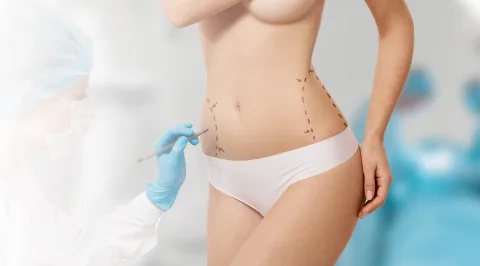
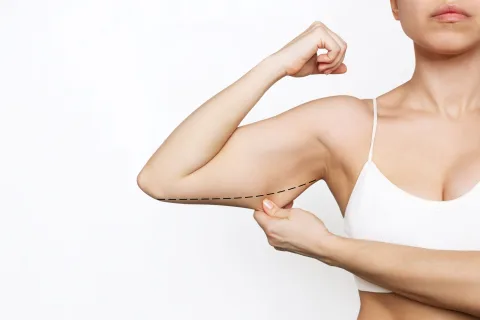
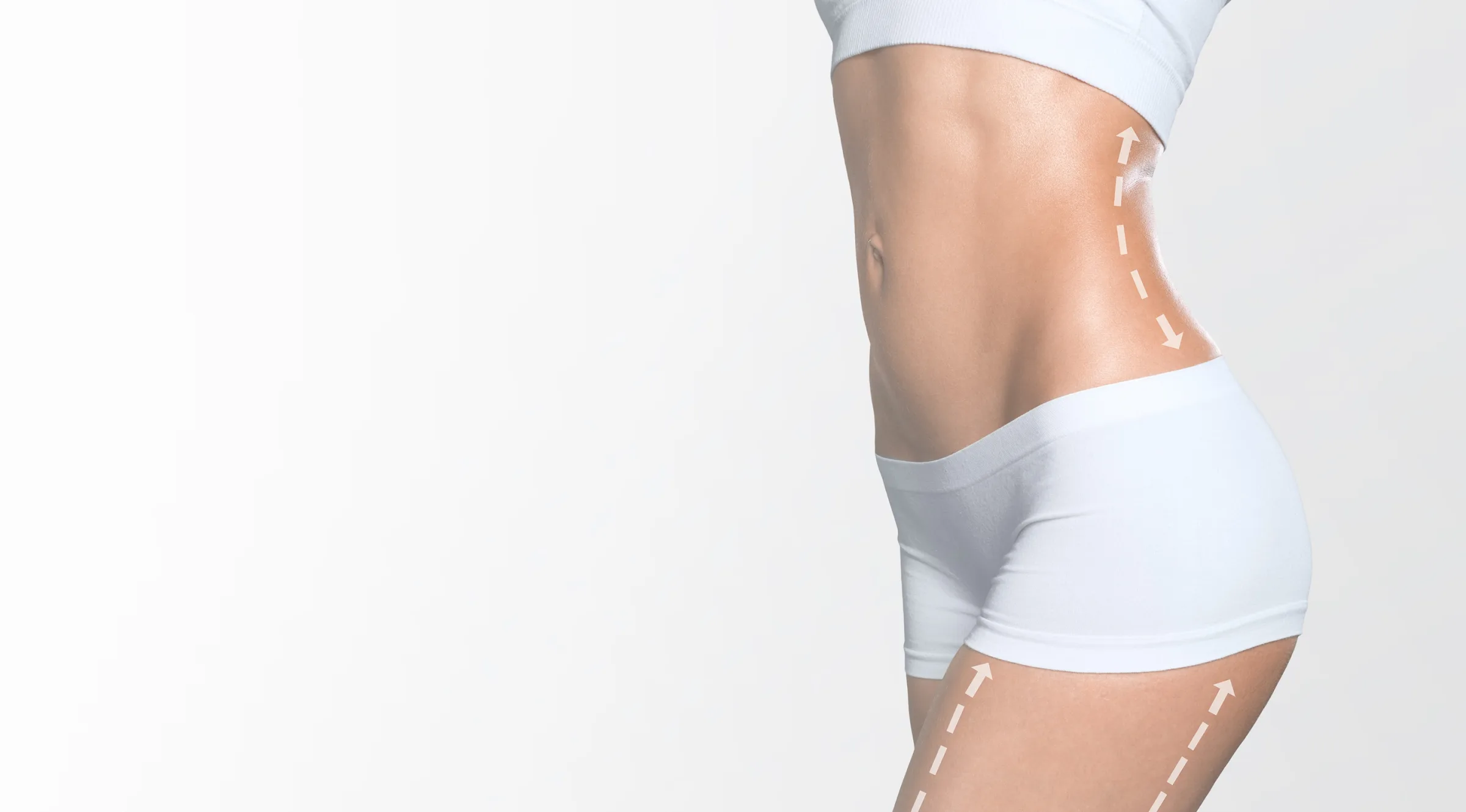
Liposuction (fat removal) is an operation in which regional fat deposits that do not decrease with diet and exercise are removed with fine cannulas to reshape the body contour. The abdomen, flanks, back, inner and outer thighs, inner knees, upper arms and under the chin are the most commonly treated areas. The goal is not weight loss but to balance body proportions by reducing disproportionate fat deposits.
Knowing what liposuction does not correct is also important to set realistic expectations. Liposuction does not remove sagging skin, does not repair abdominal muscle laxity, and does not eliminate cellulite or stretch marks. Visceral fat around the organs is not accessible with a cannula. If skin elasticity is reduced, the skin may not adapt to the new contour after fat removal; in that case skin-excising procedures such as tummy tuck, arm lift or thigh lift may be indicated.
Which liposuction method is suitable for whom?
The liposuction method is chosen based on the structure of the fat tissue and regional characteristics, not by the device name. All methods have the same basic principle: fluid is first injected into the fat tissue, then fat is removed with fine cannulas. Power-assisted, ultrasound (VASER) or laser-assisted techniques are different tools that help loosen the fat before aspiration; none alone guarantees better results. The table below summarizes the general relationship between examination findings and commonly considered approaches; the individual plan is determined at the consultation.
| Finding | Commonly considered approach | Note |
|---|---|---|
| Skin elastic, soft fat deposits | Tumescent liposuction | Forms the basis of other methods as well |
| Fibrous tissue such as back, flanks | Power-assisted or ultrasound-assisted liposuction | Makes fat removal easier |
| Previously liposuctioned area | Power-assisted liposuction, fat grafting if needed | Planning is more detailed due to scar tissue |
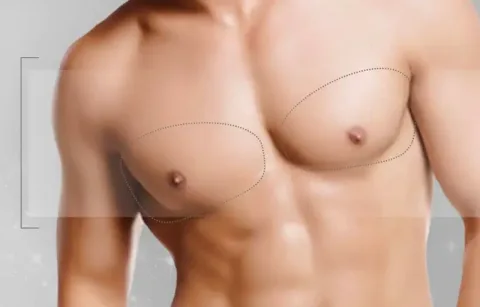
| Male breast enlargement | Liposuction; excision if glandular tissue is present | Also evaluated as gynaecomastia |
| Noticeable skin laxity with fat accumulation | Liposuction combined with a lifting procedure | Removing fat alone may increase laxity |
Why is the amount of fat removed not the only measure of success?
Success in liposuction is measured not by liters of fat removed but by the smoothness of the resulting body contour and proportion. If insufficient fat is left under the skin, depressions and irregularities may occur. There is a safe limit for the amount of fat and the extent of areas that can be treated in a single session; this limit is determined according to the patient’s weight and overall health. If many areas are desired, staging the procedure may be more appropriate.
What can be done in the same operation as liposuction?
Liposuction is most commonly planned together with tummy tuck, breast surgery and fat transfer. Harvested fat can be processed and transferred to the buttocks, breast or face; in that case the donor areas are considered together with the transfer plan. Additional procedures increase operative time and recovery burden, so the necessity of each is discussed separately at the consultation.
When multiple areas are treated together, transitions between areas are part of the plan. For example, taking fat only from the abdomen while leaving the flanks can create a step deformity on the trunk; therefore regions are assessed not individually but as the trunk and legs as a whole.
What is different in men and in reoperative liposuction?
In men, fat accumulates most commonly at the flanks, abdomen, chest and under the chin. If breast enlargement is due to glandular tissue, liposuction alone is not sufficient; this is evaluated as gynaecomastia. In previously liposuctioned areas, scar tissue, irregularities and residual fat quantity change the plan. Fat grafting may be required for depressed areas; it is important to bring information about the date and method of the previous operation to the consultation.
Where are the liposuction scars?
Liposuction scars consist of a few millimetre entry points where the cannulas are inserted, and these points are placed within natural creases. Common sites include the umbilicus and groin crease for the abdomen, the infragluteal fold for the thigh, and the submental area for the chin. Scars may appear darker in the first months and lighten over time. Scar appearance also depends on the individual’s skin type and wound healing.
How to compare liposuction quotes?
When comparing liposuction quotes, look at which areas are included before focusing on the total price. An area considered single at one clinic may be counted as two separate areas at another. Asking the following questions when requesting a quote helps you truly compare different offers:
- Which specific areas are included and where are the borders of each area?
- Which method will be used and why is that method recommended?
- Who will perform the surgery, and are anesthesia and hospital fees included?
- Are the corset, medications and follow-up visits included in the quote?
- Are additional procedures such as fat transfer charged separately?
- What are the conditions for revision if required?
Elective aesthetic liposuction is not covered by SGK; cases with a medical indication are evaluated separately.
If you are coming from another city or another country
Op. Dr. Hasan Büyükdoğan's clinic is on Bağdat Caddesi in Kadıköy on the Asian side of Istanbul. Patients coming from other cities or abroad are generally advised to stay in Istanbul for 5–7 days after liposuction; during this time the first control is performed and the corset and entry sites are evaluated. Precautions to reduce clot risk for long journeys are discussed in advance. Photos can be shared securely for preliminary assessment; however, photographs do not replace the in-person examination and the definitive plan is made face-to-face. Consultations can be conducted in Turkish, English or German.
What the procedure can address
Not every patient receives the same treatment; the points below may be considered together or separately, depending on the person:
- 01Fat deposits resistant to diet in the abdomen, flanks and back
- 02Disproportionate fat in the inner and outer thigh (saddlebags) and inner knee
- 03Excess fat on the posterior upper arm with preserved skin elasticity
- 04Fat fullness that becomes noticeable under the chin (double chin)
- 05Regional fat accumulation in men: chest, flanks and abdomen
- 06Irregularity or asymmetry remaining after previous liposuction
Who may be a candidate?
Who may be a candidate?
Liposuction is suitable for individuals whose weight is close to and stable at their ideal, but who have localized fat deposits that do not decrease with diet and exercise. Skin elasticity is important because the skin is expected to adapt to the new contour after fat removal. Candidates should be in general health appropriate for surgery, able to stop smoking, and have realistic expectations. Procedures are generally planned after weight has been stabilized in those who are still losing weight.
Who may not be suitable?
- Use of cigarettes or nicotine products that cannot be stopped before surgery
- Pronounced skin laxity or excess (may require a lifting procedure)
- Uncontrolled diabetes, cardiovascular disease or bleeding disorders
- Anticoagulant therapy that the physician determines should not be stopped
- Expectation of weight loss from the operation due to general excess body weight
Liposuction is not a treatment for obesity or a weight-loss method; it does not correct cellulite, stretch marks or sagging skin. The aim is to balance body proportions by reducing regional fat deposits.
The doctor's examination approach
The examination looks beyond appearance to the person's overall anatomy and expectations. Key points assessed:
- Areas and thickness
- Elasticity and recoil potential
- Muscle laxity and hernia
- Waist, hip and leg balance
- Right and left side differences
- Changes in recent months
- Previous liposuction and surgeries
- Target body contour
The process
During the examination, areas with fat accumulation are assessed while standing; it is determined whether the fat is subcutaneous or intra-abdominal and the skin elasticity is evaluated. Standard photographs are taken for planning. Which areas will be treated in the same session, the method to be used, type of anesthesia and whether the harvested fat will be transferred to the buttocks or breasts are discussed clearly. Blood tests and anesthesia assessment are done prior to surgery if needed.
-
1
Consultation and photographs
Fat distribution and skin elasticity are examined; expectations and prior procedures are discussed.
-
2
Personalized plan
Areas to be treated, method, anesthesia and any fat transfer are determined.
-
3
Preparation
Tests are completed; instructions regarding smoking, medications and supplements are given, and corset measurement is taken.
-
4
Marking and surgery
Areas are marked while standing; the procedure generally takes 1–3 hours depending on the number of areas.
-
5
Discharge
A compression garment is worn; most patients return home the same day or after one night.
-
6
Follow-ups
Entry sites and swelling are followed with scheduled visits; the duration of corset use is determined at follow-up visits.
Technique and medical approach
The method depends on the patient; no single technique suits everyone. Main points considered:
| Approach | Description |
|---|---|
| Tumescent (fluid-assisted) liposuction | A solution containing local anesthetic and a vasoconstrictor is first injected into the fat tissue, then the fat is removed with fine cannulas. It reduces bleeding and forms the basis of other methods. |
| Power-assisted (vibrating) liposuction | The cannula makes small vibrating movements; it facilitates fat removal in fibrous tissues such as the back, flanks and previously treated areas. |
| Ultrasound-assisted (VASER) liposuction | Ultrasound energy is used to loosen the fat tissue before aspiration. It can be considered in fibrous regions and male chest; the risk of heat-related skin injury is discussed separately. |
| Laser-assisted liposuction | A thin laser fiber is used to liquefy the fat tissue before aspiration. It can be used in small areas; its effect on skin tightening is limited and it does not replace significant skin excision. |
| Liposuction combined with fat transfer | Harvested fat can be processed and transferred to areas where volume is desired such as the buttocks, breast or face. In this case the harvest amount and transfer areas are planned together. |
Preparing for the procedure
The points below are general information and do not replace personal medical instructions. Your own preparation is set at the examination.
Recovery
-
0–1 day
First day
A compression garment is worn; discharge is on the same day or after one night. Fluid leakage from entry points is normal; short walks begin immediately.
-
2–7 days
First week
Swelling and bruising are at their peak. The first follow-up is done; most people return to desk work between days 3–7.
-
2–3 weeks
First weeks
Bruising largely resolves; sensitivity and firmness begin to improve. Light daily activities are increased.
-
4–6 weeks
First months
The corset is usually discontinued in this period; return to heavy exercise is with physician approval.
-
3–6 months
Months
Residual swelling subsides, the skin adapts to the new contour and the final appearance becomes clear.
In the first weeks after liposuction, patients feel more of an ache resembling muscle soreness after intense exercise, tightness and tenderness that increases with touch rather than severe pain; this is usually controlled with prescribed medications. Temporary numbness and firmness decrease over weeks. If there is unilateral leg swelling, fever, increasing pain or redness, contact the surgical team without waiting for the scheduled visit; for shortness of breath, chest pain or fainting seek emergency medical care.
Results and realistic expectations
The result of liposuction becomes clear over 3–6 months as swelling resolves: treated areas have smoother contours and body proportions appear more balanced. Removed fat cells do not return; however, if weight is gained remaining fat cells can enlarge and fat may accumulate in other areas. To maintain results, keeping weight stable and regular physical activity are recommended.
Risks and limitations
The risks of liposuction are explained before surgery according to the patient’s health status and the extent of the treated area. The most commonly encountered issues are contour irregularity, fluid accumulation and temporary numbness. Treating very large areas in the same session and removing excessive amounts of fat increases risk, so the number of areas and fat volume are planned within safe limits.
- Contour irregularity, rippling or depressions
- Fluid or blood collection under the skin (seroma, hematoma)
- Temporary or persistent numbness and sensory changes
- Deep vein thrombosis, pulmonary embolism or fat embolism
- Heat-related skin damage with ultrasound- or laser-based methods
- Rarely, damage to deep structures such as the abdominal wall or organs by the cannula
- Asymmetry, need for revision, infection and anesthesia-related risks
Alternative and complementary options
In some cases other methods may be considered. Each has its own limits and is not right for everyone:
| Method | Description |
|---|---|
| 1Abdominoplasty, arm or thigh lift | Removes excess sagging skin when present; removing only fat in this situation may increase laxity. |
| 2Cryolipolysis and energy-based devices | May provide limited reduction in small, localized fat deposits over several sessions; effects are less and more variable than surgery. |
| 3Injectable fat-dissolving treatments for the chin | Can be considered for small fat deposits under the chin over multiple sessions; does not correct skin laxity. |
| 4Dietary regulation and exercise | The first step for generalized excess weight; does not always change regional fat distribution. |