What is Botox?
What is Botox and what kind of change does it target on the face?
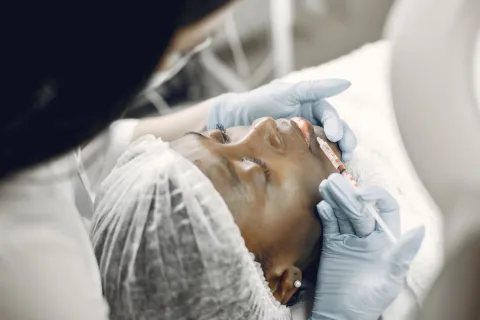
Lines can form around the eyes when smiling, between the brows when frowning, or on the forehead when surprised. These movements have a natural place in facial expression. In botulinum toxin application, the effect of nerve signals reaching specific muscles is temporarily reduced. Thus the movement of the relevant muscle and the appearance of the line produced by that movement can change. The commonly used name Botox in everyday language actually spread from a product brand; not every botulinum toxin product is the same brand. The name of the product used and the purpose of the application should be clearly stated.
To understand the procedure, the face should not be thought of as a map consisting only of lines. The position of the brows, the weight of the eyelids, the way you smile and forehead movement are all interrelated. Therefore, trying to completely erase a line in one area can lead to an unwanted change in expression. Saying in consultation “I want to look more rested” defines a different goal than “I don’t want my forehead to move at all.” The plan addresses this expectation together with the face’s movements. ASPS’s explanation of botulinum toxin describes the treatment’s temporary muscle effect.
Are dynamic (expression) lines the same as established static lines?
Look in the mirror first when your face is at rest, then raise your brows and smile. A line that is prominent only during movement and a line visible at rest may not represent the same issue. In everyday terms the former is called a dynamic or expression line and the latter a static (established) line. This distinction helps describe the problem during the examination; it is not a method for choosing a treatment by oneself. The depth of the line, the condition of the skin and the contribution of muscle movement are evaluated together. Assuming that Botox will change every line on your face to the same degree does not form a realistic expectation.
For example, someone complaining about lines around the eyes may be most concerned about folding that occurs when smiling. Another person may describe under-eye hollowness with the same word. A person with forehead lines may be lifting their brows to compensate for heaviness of the eyelids. Plans for complaints that appear similar in photos therefore differ. When you come for consultation, say which movement or appearance bothers you; don’t assume the whole face must be “smooth.” Expression, volume, skin and eyelid position are separate topics.
What is the difference between Botox and fillers?
Botox and fillers are not interchangeable procedures. Botulinum toxin affects muscle movement. Dermal fillers, depending on the product and the area of use, aim to provide volume or structural support to the tissue. Lip volume and the motion of brow contraction are different needs. When a broad request such as “I want my face to look younger” is made, first determine which change is desired. The fact that both procedures may be discussed does not mean both are necessary for everyone. You can read details about fillers in the dermal fillers guide.
From complaint to assessment — a summary
| Complaint | Assessment focus | Important distinction |
|---|---|---|
| Lines when frowning | Muscle movement and expression | Botulinum toxin can be considered to address this movement. |
| Desire for volume in lips or cheeks | Volume and tissue support | Botox is not a filler that adds volume. |
| Excess skin on the eyelid | Eyelid and brow position | An injection will not surgically remove excess skin. |
| Noticeable facial sagging | Skin and underlying tissues | Reducing the movement of a line is not the same as a facelift. |
How are the forehead, glabella and periorbital areas evaluated together?
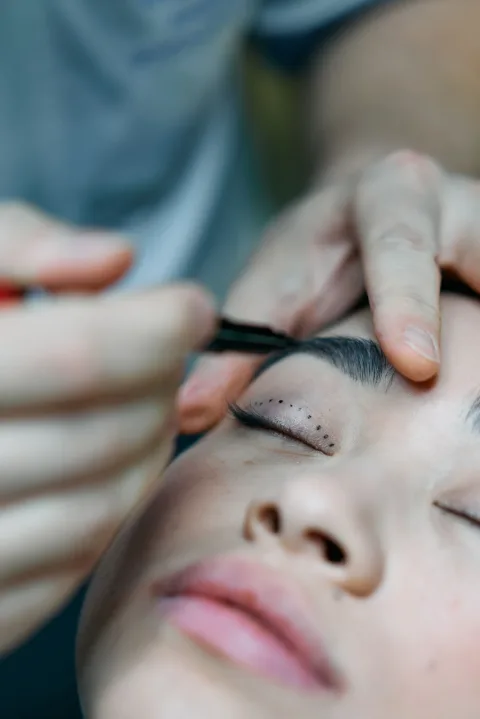
Forehead Botox, glabellar (between-brow) Botox and crow’s feet Botox may appear as separate topics in searches. In consultation, however, it is important to observe facial movements together. The starting position of the brows, the movement symmetry of both sides and any complaints around the eyes are recorded. Whether the person has had prior treatments and which changes they liked or disliked is asked. The purpose of the treatment is not only to determine how many injection points will be used. How expression will be preserved and which changes will be limited should also be discussed. Another person’s injection map is not necessarily a ready-made plan for you.
It is understandable to like the lifted-brow look in a photo; however the face’s movement at the moment the photo was taken, lighting and angle also affect appearance. Instead of “make it the same,” describe the feature you like: brows that do not look heavy, a softer frown, or less prominent lines around the eyes. This turns the consultation from copying a photo into communicating a personal expectation. If the main problem with the eyelids is excess skin, eyelid surgery is a separate assessment topic.
What do natural appearance, dose and product selection mean?
Although “natural Botox” can be used as if it were a specific technique, it actually expresses an expectation about one’s own expression. In consultation it is useful to state which movements you want preserved. Wanting less movement is different from wanting no movement at all. The practitioner should explain how the treatment plan corresponds to your description. Also, looking only at resting photos in result images may not be sufficient; how you look while talking or smiling may also matter to you. Naturalness is not a fixed measure defined for a single face or age.
Product and dose information are more concrete than marketing claims. Before the procedure ask for the product name, treated areas and follow-up arrangement. Do not make the number of units used on a friend a mandatory goal for your own face. Comparisons such as “more product gives better results” or “the cheapest package is the same treatment” do not explain your needs. Dose recommendations found on the internet are not advised here. Keeping a record of the product used helps explain to another healthcare provider which product was used and when, if you seek care elsewhere in the future.
What should be shared at the pre-Botox consultation?
At the first consultation, share not only aesthetic expectations but also your medical history. Regular medications, over-the-counter products, vitamins, supplements, allergies and prior facial procedures are important. If you have had botulinum toxin before, state the approximate date and the product name if known. Pregnancy, breastfeeding or pregnancy plans should also be mentioned. Do not stop anticoagulant or other prescribed treatments on your own without consulting the prescribing physician. The AAD’s preparation guide recommends disclosing this information clearly.
Being a short procedure does not require you to rush the decision. If you were unhappy with a previous treatment’s brow or eyelid result, do not hesitate to say so. If you have an event, photo shoot or travel planned, share the date. Before-and-after photos can be helpful for evaluating your expectation; you do not need to send these via public channels. At the end of the consultation the planned areas and how follow-up will be performed should be made clear. It is also acceptable to leave without deciding or to ask for time to think.
Procedure and follow-up process
First, describe the target
Explain the line or facial movement that bothers you and the expression you want to preserve. Share past treatments and medical information.
Learn the plan
The product, areas, expected changes and limits should be explained. Complete your pre-procedure questions; do not decide based solely on package names.
Receive post-procedure recommendations
Request written instructions for aftercare, daily activities and contact information. Do not combine different online lists into your own aftercare program arbitrarily.
Reassess together at follow-up
When the effect settles, share observations about facial movements and your satisfaction. If needed, subsequent planning should be done alongside the record of the previous treatment.
When does Botox take effect and how long does it last?
The effect of Botox is not complete at the moment of injection. Changes may become noticeable over days; a full assessment may require a longer interval. In AAD patient information many people noticed changes within three to seven days, and the effect lasted mostly three to four months. These are not exact timelines for everyone. The product used, treatment purpose and individual response can vary. The AAD’s general information page shows these durations as approximate. It is not appropriate to plan with a promise that “it will definitely take effect on this exact day.”
Not seeing a change the first day does not mean you immediately need another procedure. Agree with your practitioner on a follow-up time and share the treatment record before receiving injections of the same area elsewhere. When evaluating results, try to keep lighting, angle and facial movement as similar as possible. Comparing a photo taken on a very tired day with one taken on another day at a different angle can be misleading. The waning of effect should not be thought of as a sudden on/off switch. The timing and necessity of repeat treatment should be determined during follow-up.
Daily life and aftercare following the procedure
After botulinum toxin application, short-term tenderness or bruising may occur at injection sites. Receive daily-life recommendations from the health team performing the procedure. Avoid rubbing or massaging the treated areas, as emphasized in ASPS safety guidance. Follow the personalized instructions regarding exercise, makeup, skin care and other aesthetic procedures. Differing times suggested online do not mean you should choose one at random. Asking the reason for each care recommendation given during the procedure helps you form a clearer plan.
For someone with an intense work schedule, possible bruising and a follow-up visit may be as important as the procedure time. Discuss scheduling before arranging treatment immediately before a special day. Do not add a new cream, device or massage regimen on your own after the procedure. A relative’s aftercare tip may not apply to your treatment. If you want to keep follow-up photos, note their dates and use the same facial movements. Evaluate the process not only by whether a line has disappeared but also by whether you are satisfied with your expression.
Risks of Botox and symptoms that require attention
Pain, redness or bruising at the injection site, headache and temporary changes in facial movement can occur. Undesired brow or eyelid drooping is another possibility that may need assessment. The fact that the procedure is non-surgical does not mean it is risk-free. The ASPS risk information also explains that, rarely, effects beyond the treatment area can lead to serious symptoms such as difficulty swallowing or breathing. Do not wait if you have difficulty breathing or swallowing; seek emergency medical care. Such a situation should not be left for a routine follow-up day.
Botox is generally not recommended during pregnancy or breastfeeding; individual suitability depends on medical assessment. If an unexpected symptom occurs, it is important to report which product was used and when. The Mayo Clinic’s Botox guide provides additional information on possible side effects and situations requiring attention. The list here is not prepared for self-diagnosis via the internet. The purpose is not to leave unclear which situations require contacting healthcare services. In case of suspicious symptoms, do not wait for a message reply—seek appropriate medical care.
How should Botox prices be compared?
When looking at Botox prices, learn not only the advertised total but also what that total covers. Which product, which areas and what follow-up arrangement are included? The same phrase “three areas” may not mean the same need for every person. Product records, the practitioner’s qualifications and post-procedure access should be part of the consultation. Do not assume a definitive scope based on price without a personal examination. This page does not present a current verified clinic fee list, so no figures or campaigns are fabricated.
When comparing, also ask “when will the remaining lines be reviewed?”, “is the follow-up visit included?” and “who do I contact in case of an undesired change?”. Comparing only by product quantity does not explain the quality of the plan. It should be clear where the procedure will take place and who will perform the medical assessment. For information or a personal assessment you can use the contact page. Indicating the area you are interested in and whether you have had prior treatments in your message makes arranging the initial consultation easier.
How should before-and-after photos be interpreted?
When evaluating Botox photographs, first check whether the same person is shown performing the same facial movement. If the subject in the before image is strongly frowning and the after image is at rest, you cannot attribute the line change solely to the treatment. Lighting, shooting distance, makeup, filters and photo timing also affect comparison. Having both resting and movement images together is more informative. Also, a patient’s photo you like does not guarantee your result will be identical. Use examples to describe what you like, but do not read them as a contractual promise about your personal result.
In your own follow-up, add to the question “has the line reduced?” the question “am I satisfied with my smile and brow movement?”. If you prefer not to share photos, state this up front. Using a personal follow-up photo in public promotion is a separate issue and its usage should be explained. Reproducing another patient’s photo without permission or presenting it as your own result is not a fair comparison. Center your decision on your personal expectations for your face and a clearly explained treatment plan.
Can products purchased online be used at home?
No. The fact that a product is sold online does not mean it is safe for a person to inject themselves or another. The AAD warns of serious risks associated with procedures performed outside medical settings and with online product purchases. A ready-made injection scheme does not replace assessment of facial anatomy. Do not base decisions solely on price or social media comments when the product source, practitioner and treatment setting are unknown. The AAD’s FAQs and warnings page details these distinctions.
Frequently asked questions
Will my face necessarily look frozen after Botox?
The desired expression and the achievable changes should be discussed beforehand. Describe the targeted muscle movements and the expressions you want to preserve. Explaining “I don’t want to look frozen” with concrete examples helps you evaluate the plan. A personal result cannot be guaranteed without examination.
Does Botox correct every problem around the eyes?
No. Expression lines, hollowness, puffiness and eyelid issues are not the same. The complaint must be evaluated first. Similar-sounding procedure names for the eye area do not mean one replaces the other.
When the effect wears off, am I obliged to repeat it immediately?
Repeating the procedure is not a compulsory membership or continuous program. The reduction of effect should be considered together with your expectations and health status. Share the date and product information of the previous treatment before a new application.
Does Botox replace skin care?
No. The effect on muscle movement does not address all aims of skin care. Hyperpigmentation, surface texture or sagging issues may be assessed separately. It is unrealistic to expect one procedure to change all skin characteristics.
Consultation preparation checklist
- Explain which line or facial movement bothers you.
- Share dates and product names of previous injections if known.
- Specify medications, supplements, allergies and important medical information.
- Learn the product, treated areas, timing of follow-up and contact method.
- Consider that the effect is temporary and that your personal result may vary.
Related guides and resources
To understand the difference between volume and expression, see the fillers guide; for eyelid and excess skin issues, see eyelid surgery; for marked sagging, see the facelift page. These links do not imply that each procedure is recommended for you. General information was prepared by comparing AAD, ASPS and Mayo Clinic patient resources. Personal assessment does not replace internet text; internet text cannot replace personal assessment.
What the procedure can address
Not every patient receives the same treatment; the points below may be considered together or separately, depending on the person:
- 01When evaluating lines related to facial movement, to set realistic goals for facial expression and muscle balance. A completely immobile face, the disappearance of all lines, or a guaranteed fixed duration are not promised.
Who may be a candidate?
Who may be a candidate?
All medications and supplements, previous injections, prior facial procedures and health problems should be disclosed. Pregnancy or pregnancy plans, breastfeeding, neuromuscular disease and infection at the treatment area require special assessment. The date and product of previous treatments are important for new procedures.
The procedure should be assessed in a medical setting by a competent healthcare professional. Do not self-administer products obtained online.
The process
During consultation the relationship of the line to muscle movement and alternatives are evaluated. You should learn the name of the product to be used, the practitioner’s competence and who to contact in case of unexpected effects. Because doses are not interchangeable between products, no standard dose or injection points are provided on this page.
Results and realistic expectations
The effect does not fully occur at the moment of injection and may decrease over time. Dynamic response and symmetry between sides are evaluated at follow-up. If the expected effect is not achieved, a physician assessment is required rather than an early uncontrolled repeat.
Risks and limitations
Bruising, pain, headache, redness and unwanted weakness in neighboring muscles may occur. Brow or eyelid drooping and asymmetry can develop. Very rarely, effects spreading beyond the treatment area can lead to breathing, swallowing or speech problems. The product source and medical treatment conditions are important for safety.