What is Tummy Tuck (Abdominoplasty)?
What is a tummy tuck, what does it correct and what does it not?
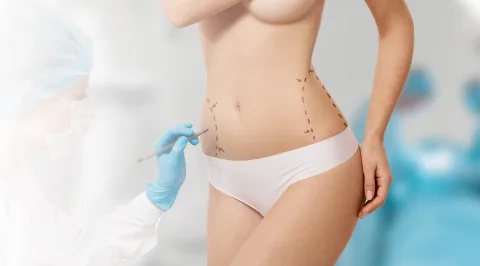
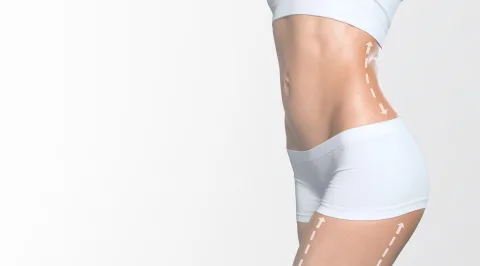
Tummy tuck (abdominoplasty) is an operation that removes excess skin and fat from the abdomen and brings separated abdominal muscles together at the midline when necessary. Childbirth and major weight changes reduce the elasticity of the abdominal skin and can cause separation of the abdominal muscles. In such cases, even if diet and exercise reduce the amount of fat, the sagging skin and protruding abdominal wall remain. A tummy tuck addresses these two problems together.
Knowing what a tummy tuck does not correct is also important for setting realistic expectations. A tummy tuck is not a weight-loss procedure. Visceral fat around the organs cannot be removed surgically. Stretch marks on the excised skin will be removed, while those above the navel move downward but do not disappear. If there is isolated regional fat without excess skin, liposuction may be a more appropriate option.
Which tummy tuck technique is suitable for whom?
The choice of tummy tuck technique is based on where and how much excess skin exists, not on the desire for a short scar. Names such as mini, full and extended describe the scope of the operation, not a hierarchy of success. Performing a mini abdominoplasty on someone who also has laxity above the navel may result in an unsatisfactory outcome despite a shorter scar. The table below summarizes the general relationship between examination findings and commonly considered approaches; the individual plan is determined at the consultation.
| Finding | Commonly considered approach | Note |
|---|---|---|
| Skin is elastic, no excess, regional fat present | Liposuction | Skin is not removed, no muscle repair |
| Limited sagging only below the navel | Mini abdominoplasty | Shorter incision; navel position does not change |
| Laxity above and below the navel, muscle separation | Full abdominoplasty | Muscle repair and navel adjustment are performed |
| Excess skin extending to the sides and flanks | Extended abdominoplasty | Incision extends toward the sides |
| Excess in both vertical and horizontal directions after massive weight loss | Abdominoplasty with vertical and horizontal incision | An additional vertical scar in the midline of the abdomen |
Why is separation of the abdominal muscles important?
Separation of the abdominal muscles at the midline (rectus diastasis) can cause the abdomen to protrude even after the skin is removed. This condition is especially common after multiple pregnancies. In full abdominoplasty, these muscles are tightened with sutures at the midline to firm the abdominal wall; a hernia at the navel is also looked for during the examination. Muscle repair can increase the feeling of tightness in the first weeks, so the recovery plan is adjusted accordingly.
What can be done at the same operation as a tummy tuck?
The procedures most commonly planned with a tummy tuck are liposuction of the flanks and waist and postpartum breast aesthetic surgery; this combined plan is commonly referred to as a mommy makeover. After massive weight loss, arm lift or thigh lift may be considered in a separate stage. Additional procedures can achieve a more integrated result but increase operative time, clotting risk and recovery burden; therefore each additional procedure is discussed separately at the consultation and staged if necessary.
What is different in men and in repeat abdominoplasty?
In men, tummy tuck is most often performed for excess skin remaining after major weight loss. A significant cause of abdominal protrusion in men can be visceral fat beneath the muscles; because this fat cannot be removed surgically, distinguishing it during the examination is particularly important. In patients who have previously undergone abdominoplasty or abdominal surgery, prior incisions affect skin blood supply; the date and type of prior surgery should be brought to the consultation.
Where is the tummy tuck scar located?
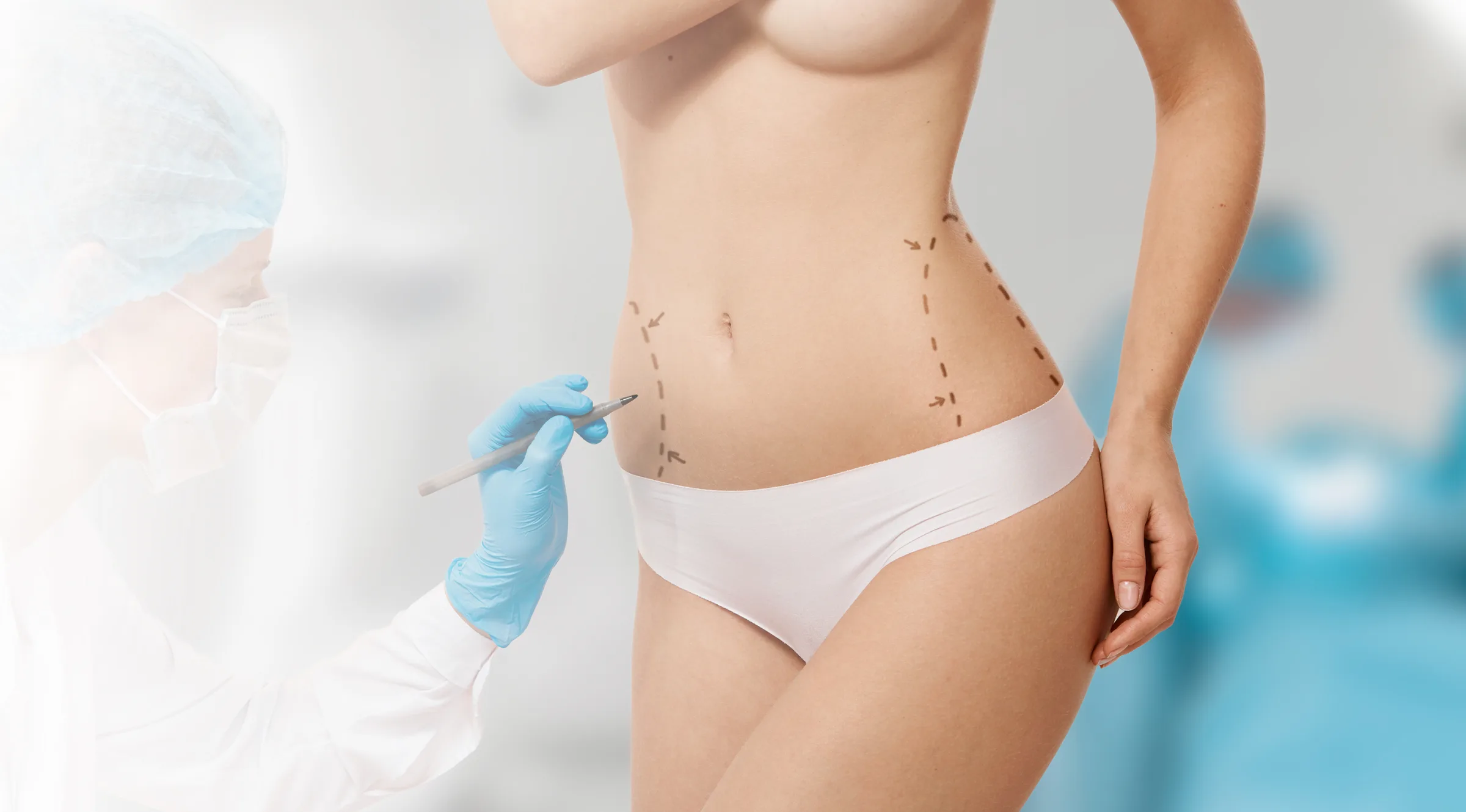
The tummy tuck scar is located in the lower abdomen, most often at the underwear or bikini line. In full abdominoplasty there is also a small scar around the navel; in mini abdominoplasty the incision is shorter. If a Cesarean scar exists, the new incision is often planned at the same level and the old scar may be removed with the excised skin. The scar may appear pink and slightly elevated in the first months; it matures and flattens within 12–18 months. Scar appearance depends on individual wound healing, smoking status and postoperative care.
How to compare tummy tuck offers?
When comparing tummy tuck offers, look at what the offer includes before looking at the total price. Two operations with the same name can have very different scopes: one may address only the skin below the navel, while another may include muscle repair, navel reshaping and flank liposuction. Asking the following questions when requesting a quote will help you compare offers accurately:
- Which procedure is planned: mini, full or extended abdominoplasty, and why?
- Will abdominal muscle repair and navel reshaping be performed?
- Who will perform the surgery, and are anesthesia and hospital fees included?
- How many nights in hospital; are compression garments, medications and follow-up visits included?
- Are additional procedures such as liposuction or breast surgery charged separately?
- What are the conditions for possible later revisions?
Cosmetic abdominoplasty is not covered by SGK; however, medical justification is evaluated separately in cases such as recurrent skin problems due to sagging after major weight loss.
If you are coming from another city or abroad
Op. Dr. Hasan Büyükdoğan's clinic is located on Bağdat Caddesi in Kadıköy on the Asian side of Istanbul. Patients coming from other cities or abroad are generally advised to stay in Istanbul for 7–10 days after a tummy tuck; during this time the hospital period is completed, drains are evaluated and initial follow-ups are performed. Long journeys increase the risk of clotting, so return timing and necessary precautions are planned in advance. Pre-evaluation photos can be shared securely; however, photos do not replace an in-person examination and the definitive plan is made face-to-face. Consultations can be conducted in Turkish, English or German.
What the procedure can address
Not every patient receives the same treatment; the points below may be considered together or separately, depending on the person:
- 01Folded, sagging skin in the lower abdomen after childbirth or weight loss
- 02Anterior protrusion due to separation of the abdominal muscles (diastasis)
- 03Laxity around the navel and change in navel shape
- 04Stretch-marked skin below the navel (stretch marks on the excised skin are also removed)
- 05Excess skin seen together with fat accumulation at the flanks and waist
- 06Irregularities remaining after a previous abdominoplasty or Cesarean
Who may be a candidate?
Who may be a candidate?
A tummy tuck is considered for people with excess abdominal skin or lax abdominal muscles that do not improve with diet and exercise, who have a stable weight and are in general health suitable for surgery. It is important that weight has been stable for at least 6–12 months, that smoking can be stopped, and that expectations are realistic. In women planning pregnancy, surgery is usually scheduled after childbearing is completed and breastfeeding has ended, as a new pregnancy can again loosen the abdominal wall.
Who may not be suitable?
- Ongoing smoking or nicotine use that cannot be stopped before surgery (increases risk of wound healing and skin perfusion problems)
- Ongoing significant weight loss or planned pregnancy in the near term
- Uncontrolled diabetes, cardiopulmonary disease, or coagulation disorders
- Anticoagulant therapy that the physician deems unsafe to discontinue
- Complaint consisting primarily of regional fat without excess skin (liposuction may be more appropriate)
A tummy tuck is not a weight-loss surgery and does not significantly change body weight. The goal is to restore the abdominal contour distorted by excess skin and a lax abdominal wall.
The doctor's examination approach
The examination looks beyond appearance to the person's overall anatomy and expectations. Key points assessed:
- Amount of excess and elasticity
- Distribution of abdominal and flank fat
- Muscle separation and hernia
- Position, shape and hernia
- Cesarean and previous incisions
- Changes in recent months
- Future plans and breastfeeding
- Scar placement and target appearance
The process
During the examination the abdomen is assessed standing, sitting and bending forward; it is checked whether excess skin is limited below the navel or also above it, and whether there is muscle separation or a hernia. Standard photographs are taken for planning. The incision location and length, whether the navel will be repositioned, whether liposuction will be added, and the anesthesia plan are discussed clearly. Blood tests and, if necessary, anesthesia evaluation are completed before surgery.
-
1
Examination and photographs
The abdomen is examined in different positions; weight history, pregnancy plans and previous surgeries are discussed.
-
2
Individual plan
Mini or full abdominoplasty, muscle repair, navel reshaping and any additional procedures are determined.
-
3
Preparation
Tests are completed; instructions are given regarding smoking, medications and supplements, and compression garment sizing is taken.
-
4
Surgery
Performed under general anesthesia, usually lasting 2–4 hours; excess skin and fat are removed and abdominal muscles are brought together if necessary.
-
5
Hospital stay
A 1–2 night stay; pain, bleeding and drains are closely monitored, and short walks are started the next day.
-
6
Follow-ups
Drains and dressings are evaluated during follow-up visits; recovery is followed with scheduled examinations.
Technique and medical approach
The method depends on the patient; no single technique suits everyone. Main points considered:
| Approach | Description |
|---|---|
| Mini abdominoplasty | The incision is shorter and only limited excess skin below the navel is addressed; the navel position does not change. Considered for patients whose sagging is confined to the lower abdomen. |
| Full abdominoplasty | Skin below the navel is removed via an incision between the hip bones, abdominal muscles are brought together at the midline if needed, and the navel is repositioned. Indicated when there is laxity above the navel as well. |
| Extended abdominoplasty | The incision is extended toward the sides and waist. Planned for patients with significant excess skin at the flanks, often after major weight loss. |
| Vertical and horizontal (fleur-de-lis) abdominoplasty | In addition to the horizontal incision, a vertical incision is made in the midline of the abdomen. Considered for patients with excess skin both top-to-bottom and side-to-side after massive weight loss. |
| Abdominoplasty combined with liposuction | Fat in the waist, flanks and upper abdomen is reduced with liposuction during the same operation. This aims to create a more harmonious transition between the area where skin is removed and the surrounding areas. |
Preparing for the procedure
The points below are general information and do not replace personal medical instructions. Your own preparation is set at the examination.
Recovery
-
Days 0–2
First days
A 1–2 night hospital stay; compression garment is worn and drains are present if used. Light, slightly forward-leaning short walks are started the next day.
-
Days 3–7
First week
Rest at home; pain is controlled with medications. First follow-up is performed and drains are usually assessed and removed during this period.
-
Weeks 2–3
First weeks
The body gradually straightens; most people return to desk work in weeks 2–3. Avoid heavy lifting.
-
Weeks 4–8
First two months
Compression garment is generally discontinued at 4–6 weeks; heavy exercise and abdominal training are started after 6–8 weeks with physician approval.
-
Months 3–6
Months
Swelling largely subsides, the abdominal contour settles and the final appearance becomes clear.
-
Months 6–18
Long term
The scar fades from pink to a lighter color; it matures and becomes less noticeable within 12–18 months.
Tightness, pain and walking with a forward-leaning posture in the first days after a tummy tuck are normal; pain is usually controlled with prescribed medications. Early walking is important to reduce the risk of clotting. If unilateral leg swelling or pain, fever, wound discharge or wound opening occurs, contact the surgical team without waiting for the scheduled visit; for shortness of breath or chest pain seek emergency medical care.
Results and realistic expectations
The result of a tummy tuck becomes clear as swelling subsides over 3–6 months: the abdomen appears flatter and firmer and the waistline more defined. The excised skin and the repaired abdominal wall are permanent; however, subsequent significant weight gain, pregnancy and aging can alter the appearance. Stretch marks in areas not excised and fat around the waist may require separate evaluation.
Risks and limitations
The risks of a tummy tuck are explained before surgery according to the individual's health status. The most common early problem is fluid accumulation under the skin (seroma); smoking, diabetes and high weight increase wound healing problems. A tummy tuck is also a procedure with clotting risk; therefore early walking, compression garment use and individualized clot prevention are planned.
- Fluid or blood collection under the skin (seroma, hematoma)
- Delayed wound healing, wound separation or edge necrosis (more common in smokers)
- Deep vein thrombosis and pulmonary embolism
- Temporary or long-lasting numbness in the lower abdomen
- Noticeable, thick or elevated scar, or navel shape issues
- Asymmetry, excess skin at the sides (dog-ears) and need for revision
- Infection and anesthesia-related risks
Alternative and complementary options
In some cases other methods may be considered. Each has its own limits and is not right for everyone:
| Method | Description |
|---|---|
| 1Liposuction | Reduces fat in patients with good skin elasticity and isolated regional fat; does not remove excess skin or repair muscle separation. |
| 2Physical therapy and abdominal exercises | May support the abdominal wall in mild muscle separation; does not eliminate sagging skin. |
| 3Energy-based devices | Aim for limited skin tightening at the surface; do not replace surgery for folded excess skin. |
| 4Waiting and weight stabilization | Delaying surgery may be more appropriate for those continuing to lose weight or planning pregnancy. |