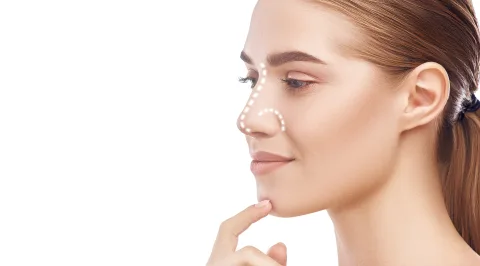
What is Non-surgical Facelift?
Why doesn't the word “lift” mean the same thing for every method?
It is easy to describe the change you see in the mirror with a single word: sagging, tired appearance, or aging. However, these expressions can combine changes in different tissues. The cheek's volume and looseness at the jawline, a forehead expression line and a change in skin coloration are not the same target. Before choosing the name of a procedure, you should distinguish which appearance is troubling you.
ASPS's explanation of nonsurgical facial procedures describes that different methods are evaluated according to personal needs, that change may be more limited compared with surgery, and that repeat treatments may become necessary. A popular name for a method does not remove the need for an anatomical assessment. The term “nonsurgical” should not automatically be taken to mean noninvasive, painless, or risk-free.
Distinguishing laxity, volume loss and expression lines
The ASPS skin rejuvenation guide separates different topics such as lines that become apparent with expression, lines that are constantly visible, pigment changes and skin tone. This distinction helps to question the idea that a face can be entirely “renewed” with a single product. The target should be explained before the name of the method.
When preparing for your consultation, you can write answers to three questions: Which area do I want to change, which feature do I want to preserve, which appearance is unacceptable to me? For example, you may wish to preserve your facial expression while aiming to make a particular line less noticeable. Or you might prefer assessment of existing contour rather than adding volume. Clearly stating these preferences helps the discussion about your personal goals and avoids being directed toward unnecessary treatment packages.
What do energy-based skin tightening treatments target?
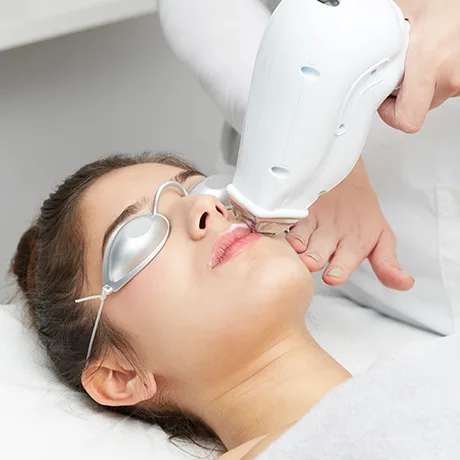
The AAD description of skin tightening explains different approaches such as ultrasound and radiofrequency, the thermal effect within the skin and the changes that may develop over time. These applications are not a single technology. The expected effect is generally not considered equivalent to surgical lifting; suitability and outcomes depend on the person, the method and the target.
Knowing the device name alone is not a sufficient explanation. Learn which area and tissue are being targeted, whether the application involves an invasive step, and the protection and aftercare requirements. A system applied from the surface and an approach that uses needles or another invasive technique cannot be treated as the same. This guide does not state that the clinic uses an unverified device; the features of the suggested method should be explained concretely during the consultation.
The role of Botox: muscle movement and expression
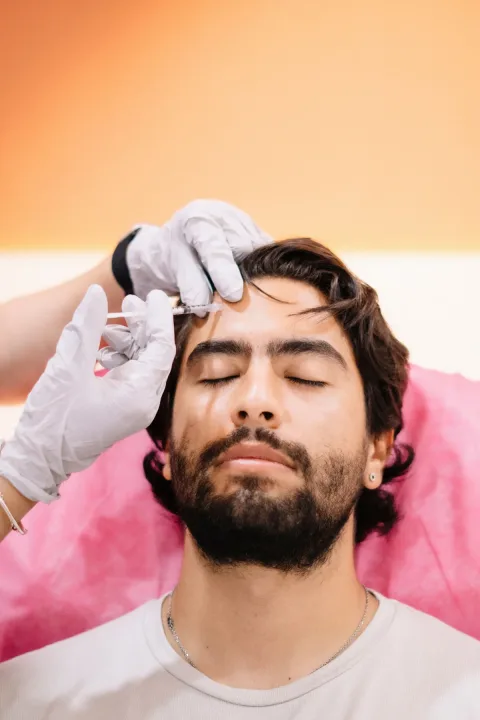
AAD's overview of botulinum toxin describes softening of lines related to the movement of specific facial muscles. This effect is not the same as adding volume or removing excess skin. Mentioning Botox under the heading “lift” does not mean that all facial laxity will be corrected by Botox.
When you read the Botox guide, pay attention to the distinctions of area, expression and expectation. During the consultation, you can explain your preference to preserve your facial expression. It should be assessed which line becomes noticeable with which movement. Instead of requesting the same areas or amounts used on a friend, learn why your personal goal is associated with that method. Dose or injection points should not be selected based on internet articles.
Fillers: adding volume is not the same as correcting every sag
FDA information on fillers addresses different products' characteristics and injection-specific risks. The goal of adding volume should be discussed separately from expectations of correcting laxity. Accidental intravascular injection of filler can cause tissue damage, vision loss or stroke and other serious outcomes. Therefore, fillers should not be regarded as an ordinary maintenance product or a risk-free face-shaping service.
In the dermal fillers guide the product, area and limits of results are explained in more detail. The FDA link here provides information within the U.S.; it does not substitute for verification of product approval or clinical use in Turkey. The name of the recommended product, the area to be treated and the plan for managing complications should be explained in the personal consultation. Adding more volume does not automatically mean a more natural or better appearance.
Why is thread suspension a distinct approach?
The ASPS thread lift safety guide explains that this method involves an invasive step and can carry risks such as infection, pain, swelling, bruising, thread extrusion or undesired outcomes. It should not be assumed to have the same aftercare or risk profile as fillers, Botox or energy-based procedures. The umbrella term “nonsurgical” should not make these differences invisible.
When you encounter the name of a thread method, ask what is intended to be mechanically supported and which targets cannot be addressed. Ask about restrictions for tissues after the procedure, the follow-up plan and how to contact the clinic for new complaints. A single before-and-after photograph seen online does not demonstrate personal suitability. Clarify in the consultation that procedures offered under the same name may differ in product and technique.
Evaluate the method together with its target
| Approach | Target | Main limitation |
|---|---|---|
| Energy-based | Selected skin tightening or surface targets. | Devices and application methods are not identical; results are not promised to match surgery. |
| Botox | Certain lines related to muscle movement. | Does not add volume or remove excess skin. |
| Fillers | Selected volume and contour goals. | Have injection-specific serious risks; not the answer to every laxity. |
| Thread lift | Suspension of selected tissues. | Requires an invasive step and aftercare; not the same as other methods. |
| Surgical facelift | Surgical approach to the skin and supporting tissues. | Requires separate risk, scar and recovery assessment. |
Distinguishing skin surface from facial contour
Texture, color difference or scar appearance on the skin are not the same problem as the contour of the jawline. Smoother-looking skin does not mean all tissues have been lifted upward. Describing a procedure only with the word “rejuvenation” can leave the targeted change unclear. State in the consultation whether your priority is surface, volume or laxity.
The fractional laser guide addresses different questions related to skin surface and certain scars. This link does not state that laser is appropriate for you or that it will be combined with other procedures. Understanding the scope of a method reduces unnecessary comparisons. Evaluation for color or scar complaints should not be planned solely from the perspective of a lifting goal.
Who needs a personal assessment?
Age alone is not a sufficient criterion to choose a method. Two people of the same age may differ in skin quality, volume, previous treatments and expectations. Broad categories such as “packages for over thirty” do not convey your personal needs. Suitability should be considered together with the method's and device's usage information, general health status and goals.
Pregnancy, breastfeeding, active infection, current medications or implanted devices can be important in evaluating certain methods. Share this information openly; this page does not provide a single list of prohibitions or permissions that applies to all. Do not stop any medication or treatment on your own for a cosmetic procedure. The assessment may conclude with postponement or recommendation against a procedure; the desired appearance should not override safety limits.
Why should you tell about previous procedures?
If you have previously had fillers, Botox, threads or energy-based treatments, prepare the dates and product information if possible. If you cannot recall a detail, say you do not know rather than guessing. Existing products or past procedures on the face are information that should be considered when planning a new approach. The fact that a procedure was performed long ago is not by itself a sufficient reason to exclude it from the consultation.
Explain what you liked and what change you did not want in your past experience. You can clarify the phrase “it did not look natural” with more concrete goals: excessive volume, altered expression or a difference in a specific area. This information personalizes the discussion of your new goal. Past procedure photos can help but do not replace examination or medical records. Ask the care team what additional information they need.
A clear evaluation in four steps
1. Start with a single goal
Write the area that bothers you most and the feature you want to preserve. By separating expectations about laxity, volume and lines, begin the consultation with a concrete goal instead of an unnecessary list of procedures.
2. Ask about alternatives and limits
Find out what change the suggested method aims to deliver and what it will not address. Do not leave out discussion of surgical evaluation, skin care or the option of doing nothing.
3. Get the procedure and aftercare plan
Clarify product or device information, session approach, timing of follow-ups and the route for reporting adverse effects. Assess your return to daily activities based on your own conditions.
4. Monitor the response relative to the target
Evaluate photographs under similar conditions. Do not interpret temporary swelling or an early appearance as the final result. Before deciding on repeat treatment, discuss which target has been met and which remains.
Are multiple methods required together?
Having more than one concern does not mean all methods must be performed on the same day. The rationale for each recommendation should be clear. Ask which procedure addresses which target, why the sequence is chosen and what would change if a procedure is not performed. Combination therapy should not turn into an indistinct “complete renewal” package.
Staged evaluation can allow some targets to be reconsidered. However, this does not mean a mandatory treatment schedule for everyone. Review the care team's recommendation along with your own priorities. Asking for time to think is a reasonable request. A discount or short-term promotion does not replace a conversation about personal suitability and risks. Stating clearly that you do not want a procedure makes the consultation clearer.
Recovery and return to daily life
The ASPS recovery guidance notes that appearance and healing after skin procedures vary according to the chosen method. The idea of “a lunch break procedure, immediate return to normal life” cannot be applied to every treatment. Needle entry, energy effects or thread methods may require separate instructions. Learn about makeup, exercise, touching the area and return to daily tasks based on your own plan.
If you have an upcoming event or travel, share the timing in advance. Social appearance is not the same as complete healing. Feeling well after a procedure does not mean all restrictions have been lifted. Distinguish the routine communication route and the emergency contact for serious signs. Consult the team that knows the recommended method before applying additional care at home.
Risks vary by method
The ASPS safety guide lists risks in skin rejuvenation methods such as burns, scarring, infection, color changes and healing problems. Injections and thread procedures also have product- or intervention-specific risks. It is not correct to describe all of them as having “no risk” in common.
If you experience sudden vision changes during or after a procedure, severe unexpected pain, difficulty breathing or a major change in general condition, seek urgent evaluation; in Turkey call 112 if needed. Waiting for a WhatsApp response for a new symptom is not always appropriate. Contact the follow-up team if you have fever, discharge or any worsening problem. The examples here do not cover all complications; your personal warning signs and care plan also apply.
When and how is the result evaluated?
The ASPS results guide explains that appearance change varies according to the method and that natural aging continues. Therefore, it is not correct to assign a single durability period to all options. The immediate post-procedure appearance and the response at the follow-up may provide different information. Learn the timing specific to the procedure during the consultation.
The ASPS thread lift results page also emphasizes that there is no guarantee for healing and outcomes. In follow-up, explain which target was met, which part did not change and whether there is an unexpected appearance. The decision for a new procedure should not be based solely on an early photograph or someone else's experience. A limited result does not always mean more procedures are required.
Comparing photos and expectations
Filter-free photos taken in similar light, angle and facial expression provide more meaningful comparison. A phone's automatic beautification feature or different focal length can change the image. Do not assume every difference in a photo is due to the procedure without considering these conditions. Comparing your starting point only with someone else's before-and-after images can be misleading.
You can keep a note of expectations: the appearance you want to change, acceptable change and outcomes you do not want to accept. Using this note at the follow-up enables a concrete conversation rather than an indistinct wish for a younger look. A photo does not replace an examination when evaluating a new health complaint. Expressing dissatisfaction as clearly as satisfaction is part of the follow-up process.
How to discuss the price of a nonsurgical facelift?
Because different methods fall under this general heading, comparing a single price is not sufficient. Product or device, treated area, session plan and scope of follow-up should be explained separately. No unverified clinic fees are published here. First understand why a particular method is recommended, then request written details and cost information.
Remember that the cost of a single session may not equal the total plan and that the need for repeat treatments may be discussed later. A package that includes many procedures is not necessarily more appropriate for you. Learn the arrangement for follow-ups and evaluations in case of adverse effects. You may state your budget openly; a method that is unsuitable does not become appropriate simply because it is cheaper or on promotion. Ask for time to decide.
Leave the consultation with clear answers
- Has my priority been separated into laxity, volume, lines or skin surface?
- Was the recommended product or device and the rationale for the method explained?
- Were unreachable targets and the option of no procedure discussed?
- Were my previous procedures, medications and health information evaluated?
- Does the care and follow-up plan fit my daily life?
- Is the total scope and the possibility of repeat treatment clear?
- Do I know where to go for routine questions and for emergency signs?
Check your decision with a brief summary
At the end of the consultation, you can summarize the recommendation in your own words: which area is targeted, what change is expected, what will not change and how follow-up will be done. If you do not know the answers to these four questions, the procedure name alone is not a sufficient explanation. Ask again about any part you did not receive an answer to. Choosing to think or to have no procedure after the consultation is also a valid decision. Receiving an explanation does not obligate you to accept all recommendations.
Frequently asked questions
Does it provide the same result as surgical facelift?
No, equivalent results cannot be promised. Facelift and neck lift involve separate surgical evaluations. These pages are for understanding different targets and do not replace a surgical recommendation.
Which method is best?
There is no single best method for everyone. The target, tissue characteristics, previous procedures and personal risks are important. Before choosing a method name, clarify in the consultation to what extent the complaint can be changed.
How can I schedule the consultation?
You can submit your assessment request via the contact page. Briefly describe your primary goal and ask which secure channel you should use to share your health details. Initial contact is not a definitive approval for a specific procedure or result.
What the procedure can address
Not every patient receives the same treatment; the points below may be considered together or separately, depending on the person:
- 01To distinguish whether the complaint stems from skin quality, volume or laxity and to set suitable limited goals accordingly. Equivalent surgical results, permanent rejuvenation or risk-free application are not promised.
Who may be a candidate?
Who may be a candidate?
Skin characteristics, degree of laxity, previous facial procedures and medical history are evaluated. Pregnancy, active infection, implanted devices or current medications may be important depending on the chosen method. Suitability cannot be finalized without reviewing the method's and device's usage information.
This page does not state that a specific device is available at the clinic or that all listed methods are performed. The exact name of the recommended procedure should be learned during the consultation.
The process
Ask for the name of the recommended method, the target tissue, possible benefit, alternatives and the complication plan. For energy-based treatments, the device and operator competency should be explained; for injections, product- and area-specific risks are clarified. A fixed number of sessions or combined package should not be recommended without an individual assessment.
Results and realistic expectations
Change may develop over time with some methods and may remain limited. Durability depends on the procedure and personal characteristics. If the expected response does not occur, the target and method should be reassessed rather than uncontrolled repetition.
Risks and limitations
Risks vary according to the method used. Energy-based procedures may cause burns, pigment changes, scarring and tissue damage; injections may have product-specific complications. The FDA has highlighted reports of burns, fat loss, contour deformity and nerve damage with certain RF microneedling uses. This warning does not mean all nonsurgical methods carry the same risk; the selected procedure must be evaluated specifically.