What is Fractional Laser?
How does fractional laser work?
The term fractional describes creating small treatment columns instead of applying a continuous uniform effect to the entire skin. The type of laser and the fractional application method are not the same information. Therefore, knowing only the procedure name is not enough to understand which tissue is being targeted and how much aftercare is required. Two people saying “I had a fractional laser” may not have undergone the same application.
Mayo Clinic's explanation of laser skin resurfacing states that both ablative and non-ablative approaches can be applied fractionally. An ablative method includes an effect that removes part of the skin surface, while a non-ablative approach preserves the surface to a greater extent. The balance of effect and recovery differs. This distinction is important not for choosing a device from the internet, but so you can ask for a clear explanation of the recommended method.
The difference between CO2, erbium and the fractional concept
Names like CO2 or erbium describe laser technology, while the term fractional refers to how the application is distributed. A brand name may also indicate a specific system’s commercial name. Using these three levels interchangeably groups different procedures under one heading. In consultation, learn both the device name and which application method is recommended and why it is considered suitable for the targeted problem.
The ASPS procedure guide describes CO2 and erbium lasers, preprocedure preparation, pain control and postprocedure protective care. This general information is not a statement that the clinic uses a specific device. This page does not publish unverified brand, energy level, pulse count or application protocol. In the clinic consultation, the recommended system’s usage information and your personal plan should be explained separately.
For which complaints is it considered?
The ASPS explanation of laser skin resurfacing focuses on fine lines, certain scars and visible texture irregularities. However, a heading appearing on this list does not mean everyone with that issue is suitable for laser. In particular, the cause of a visible discoloration must be understood first; do not assume a new or changing lesion is an ordinary cosmetic spot.
It is useful to prioritize complaints during the examination. Is your main concern atrophic acne scarring, color difference, or the skin feeling rough? These can coexist but are not the same target. Discuss separately how much change a method can achieve for each item. Improving skin appearance is not the same expectation as removing significant excess skin.
An acne scar is not the same as active acne
The AAD's acne scar treatment guide explains forming an individual plan according to scar type, number and skin tone. If active acne is present, controlling acne may be a priority to limit new scar formation. Depressed scars, raised scars and isolated color changes have different treatment needs; it is not correct to recommend a single method for all based on a photograph.
When describing your acne history, state the medications and previous procedures you used. Complete statements like “I had laser but it didn’t work” with, if possible, which application was done when and what it failed to change. This ensures your prior experience is not ignored. Discussing multiple methods does not mean they will be applied the same day or are all necessary; each option’s purpose should be explained separately.
Separate the skin problem from its target
| Concern | Important distinction | Consultation question |
|---|---|---|
| Depressed acne scar | The surface, depth and scar structure are not the same. | What is the laser’s target and limit for this scar type? |
| Active acne | New lesions are distinct from old scars. | Is acne control needed first? |
| Color difference | The cause of the spot and skin tone are important. | Does this lesion require diagnostic evaluation first? |
| Fine line | Expression lines and surface changes are not the same. | Which part is expected to change? |
| Excess skin | Skin resurfacing is not surgical skin removal. | Do I have a target that cannot be achieved with laser? |
Why discuss skin tone and sun history?
Skin color is not merely an aesthetic detail; it is a trait considered in planning. The Mayo Clinic guide notes that color changes such as darkening or lightening can occur after the procedure and that some long‑term pigment problems may be more likely in darker skin tones. This indicates not everyone should be evaluated with the same method or settings. Personal risks and alternatives should be discussed in consultation.
If you have recently tanned, had sunburn, or work outdoors extensively, mention this. It is also important that holiday plans do not coincide with the procedure date. Do not rely on thoughts like “if it’s done in winter all risks disappear.” Season on the calendar does not replace personal protection and skin assessment. A sun protection plan should be agreed before proceeding.
What information should you prepare for the consultation?
The ASPS consultation explanation includes evaluation of medical problems, allergies, medications and previous cosmetic procedures. In particular, clearly share acne medications, history of cold sores, and past healing problems. The purpose here is not to give you a blanket prohibition list online; it is to ensure these details are known before a recommended method.
You can also list the home care products you use. If you cannot remember product names, showing the packaging or ingredient list at the consultation can help. Do not stop or start a medication or product based on this text alone. The team planning the procedure should determine how to manage products and medications, and involve other relevant physicians if needed. Knowing dates of previous procedures also helps clarify the relationship between planned applications.
How are session number and intervals determined?
AAD information on laser scar treatment states that multiple sessions may be required and that appearance changes can take time. Treatment may aim to make a scar less noticeable; complete removal is not guaranteed. Therefore, address the expectation of reaching all goals in a single session during the consultation.
The initial plan is a framework for evaluation; the decision for additional sessions can be revisited based on healing and response. Do not view the number of sessions solely as a package to be purchased. It should be explained when follow‑up will occur, what change is expected, and how the plan will change if an undesired effect develops. A more intensive single session is not automatically better. The decision must balance the target with aftercare requirements on an individual basis.
Four steps from procedure to follow‑up
1. Name the problem
Distinguish scar, color change and fine line targets. If there is active disease or a lesion requiring diagnosis, ensure it is evaluated before deciding on a cosmetic procedure.
2. Understand the method and its limits
Learn which laser approach is recommended, the expected change and the targets that cannot be met. Remember that naming a device alone does not convey all care and risk information.
3. Integrate the aftercare into your daily life
Obtain written instructions for cleansing, product use, protection and follow‑ups. Discuss work, makeup, outdoor exposure and travel plans with the team to agree on personal timing.
4. Evaluate the response at an appropriate time
Do not interpret early redness as the final result. Track the target improvement separately from any new complaints. Do not decide on repeat treatment based only on the first photo.
What is discussed on the procedure day?
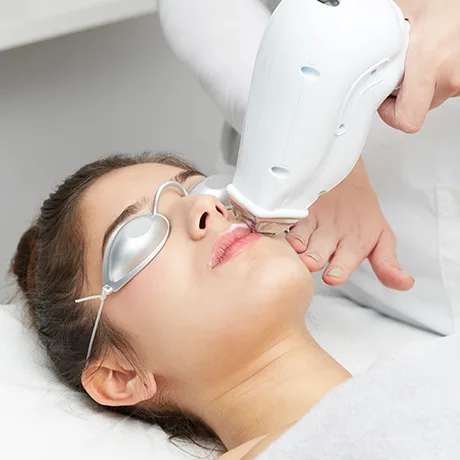
Before the application, the target area, recommended method and care plan should be clarified again. You can learn details such as pain control and eye protection. Knowing what you will feel makes it easier to express anxiety. Instead of an absolute promise like “painless,” ask how discomfort will be managed and how to signal if you feel a problem during the procedure.
Having the application on a small area versus a larger surface may not be the same experience. Plan your return to daily life before the procedure; do not find out about expected visible changes afterward. Note the name and usage of any recommended product. If an instruction conflicts with another person’s social media suggestion, ask your treating team for clarification.
Redness, crusting and home care
ASPS recovery guide states that redness, swelling, peeling and crusting can occur depending on the method used. Not every fractional application results in the same intensity or duration. Instead of picking at crusts or disturbing the area, follow the care regimen provided. Adding extra products to speed healing is not always the right approach.
Obtain personal instructions for cleansing, moisturizing, returning to makeup and sun protection. This guide does not provide a home solution, medication dose or fixed number of days applicable to everyone. Ask when the care will change and when you can resume specific products. If you find the instructions difficult to follow, inform the team; incompatibility of work or care conditions should also be discussed.
Return to work, events and exercise
Returning to work is not only about the skin being pain‑free. Share visible redness, outdoor work, makeup needs and sweating conditions during the consultation. Desk work and outdoor physical labor may not share the same timetable. When scheduling a procedure before a wedding or photoshoot, do not assume early appearance equals settled results.
Follow your care instructions for sports, swimming and similar activities. Another person returning to normal life the next day does not mean that is safe for you. Having a flexible schedule for the first days after the procedure can make it easier to manage unexpected changes. Do not postpone your follow‑up appointment solely waiting for the appearance to improve; your questions and complaints are part of the follow‑up process.
Risks and safety limits
ASPS safety information mentions risks such as burns, scarring, infection, pigment irregularities and delayed healing. A non‑surgical skin procedure should not be considered risk‑free. Prior medical conditions and medications are part of the personalized risk discussion. Expected temporary changes and issues requiring evaluation should be clearly differentiated.
Contact the follow‑up team for increasing pain, spreading redness, discharge, fever or any unusual complaint. If a sudden serious sign such as vision change occurs, do not wait—request urgent assessment. The examples here do not cover all problems. Instead of self‑diagnosing by comparing symptoms to internet photos, tell the care team when the symptom started and how it changed.
How to evaluate results with photos?
ASPS results explanation states that response varies by method and that natural skin aging continues. Do not assume a procedure will maintain the same appearance for life. Do not treat an early photo and a later follow‑up image as measurements of the same stage.
If you will track photos, use similar lighting, angle and facial expression. Filters or automatic skin‑smoothing features can mislead comparisons. Noting which problem changed and which did not alongside the image can be more useful at follow‑up. A photo does not replace an examination for a new symptom. Describe your satisfaction or concerns by reference to the targets rather than a general “good/bad” judgment.
When researching fractional laser price
When researching cost, know which area, which approach and what follow‑up coverage are being discussed. The cost of a single session is not the same as the total plan. This page does not publish unverified clinic prices. First the assessment and recommended scope should be clarified, then the quote should clearly state what is included.
Ask how follow‑up appointments, care products and additional evaluation needs are handled. Before purchasing a package, learn the criteria for planning new sessions. Deciding based solely on device brand or a low price may exclude personal risk and goal considerations. A payment plan is a different issue from medical suitability; a discount does not make an unsuitable procedure appropriate.
Consultation checklist
- Did I describe my scar, color difference and line targets separately?
- Did I report active acne, my medications, cold sore history and previous procedures?
- Do I understand the difference between laser type and fractional approach?
- Were skin tone–specific risks and alternatives explained?
- Did I receive a home care, product resumption and protection plan?
- Is the follow‑up timing and the contact for problems clear?
Relation to other facial procedures
Botox addresses different targets related to muscle movement; fillers raise separate questions related to volume and product‑specific issues. Laser is not an automatic substitute for these procedures. Joint evaluation does not mean all are necessary for you. First, understand each procedure’s target.
For significant excess skin, the concept of a facelift offers a different framework. Do not confuse surgical assessment with skin surface rejuvenation. You can use the contact page to schedule a consultation. Initial contact does not replace definitive approval for personal suitability or specific results.
How to organize your care note?
Keeping post‑procedure instructions in one place can reduce confusion about products and appointment dates. In your note, write the procedure date, recommended care products, follow‑up appointment and contact number on separate lines. Do not add a duration not explained by the care team. If you do not understand an instruction, noting it is not enough—request clarification before applying it.
If a new complaint appears, briefly record when it started and how it changed. Do not try to enlarge or minimize symptoms by comparing same‑day photos taken under different lighting. Record keeping is intended to give the team clearer information, not to delay necessary contact. If you have an urgent sign, do not waste time preparing records.
Add your questions for the next follow‑up to this note: expected changes, return to makeup or care routine, and the criteria for evaluating a new session. Continuing the preprocedure target discussion during follow‑up on the same headings enables a more concrete assessment than a vague “is my skin better?” If a new target arises later, do not treat it as an automatic continuation of the prior plan—share it separately.
Frequently asked questions
Will my acne scars be completely removed?
Complete removal cannot be guaranteed. Scar structures vary; the aim may be to make them less noticeable. Which scars will change and which parts may remain should be discussed separately in the examination.
Can I get results in a single session?
The initial plan varies by person and target. Instead of relying on a single session promise, learn when the follow‑up will be and how the decision for repeat treatment will be made. There is no fixed session count for everyone.
Is the recovery timetable the same for everyone?
No. The laser approach, the treated area and individual response are important. Discuss your work, events and care needs at the consultation to obtain a personalized plan. Another person’s timetable is not a safe return‑to‑work permission for you.
What the procedure can address
Not every patient receives the same treatment; the points below may be considered together or separately, depending on the person:
- 01To consider reducing certain scars and texture irregularities in suitable candidates. Response can vary due to depth, skin color and healing characteristics; the same session plan is not appropriate for everyone.
Who may be a candidate?
Who may be a candidate?
Skin type, active infection, history of cold sores, tendency to discoloration and past healing problems are evaluated. Medications used and previous skin procedures should be reported. In darker skin or if tanned, the risk of pigment change and method selection are especially evaluated.
Until the device type and intended use are confirmed, candidacy, session number or recovery time should not be finalized.
The process
In consultation the target problem, type of laser, need for anesthesia, eye protection and postprocedure care are explained. The physician decides whether precautions are needed in cases such as a history of cold sores. Do not start home products or medications based on this page; clarify a sun protection plan.
Results and realistic expectations
Skin appearance is assessed as healing progresses. Do not expect all scars or spots to disappear after a single treatment. Need for additional sessions is determined after assessing response and side effects. Sun damage and skin aging may continue.
Risks and limitations
Prolonged redness, burns, blisters, infection, cold sore reactivation and permanent scarring may occur. Skin may darken or lighten; the risk of pigment change depends on personal characteristics and the application. Acne flares or small cysts may develop. Risks should be explained separately according to laser type.