What is Fillers?
What are fillers and what needs do they aim to address?
It is easy to describe a facial complaint as a “line” or “sagging,” but those words do not always refer to the same problem. Some people want more volume in the lips, others are bothered by hollowness in the cheeks or pronounced folds around the mouth. Dermal fillers may be considered for volume and facial contouring depending on the product's properties and its suitability. The aim of filler is not to give every face the same shape. Rather than enlarging a single area alone, the relationship of the intended change to the face as a whole should be discussed. ASPS's explanation of fillers summarizes the primary uses.
For example, someone who finds their lips thin may not simply want larger lips. The appearance of the lip border, asymmetry between sides or the look when smiling may also be part of their expectation. Similarly, a person who wants a more defined jawline may have an underlying issue of volume, excess skin or another anatomical feature. Describing the complaint accurately is more useful than choosing a procedure name in advance. Instead of saying “make me look like the photo,” describe the feature you like in the photo. This way the consultation proceeds from your personal expectation.
How do hyaluronic acid fillers and other products differ?
Hyaluronic acid filler is not the generic name for all filler products. Hyaluronic acid is a substance also present in the body; however, products prepared for injection can differ from each other. Other filler groups may contain ingredients such as calcium hydroxyapatite or poly-L-lactic acid. Chemical structure, softness and duration of effect influence product selection. The presence of the word “natural” in a product name does not mean it is risk-free. ASPS's page on filler types explains the basic differences in composition.
Rather than memorizing these names, learn the name, ingredients and intended use of the product recommended to you during the consultation. “Lip filler” describes the area but does not specify the exact product. Broad marketing phrases such as “smart filler” or “youth filler” alone are not sufficient information. You may ask about the product packaging and the application record. A record makes it easier to know which substance was used and when in a later procedure. This page does not claim availability or use of any specific brand in the clinic; personal recommendations depend on examination and product information.
The difference between fillers and Botox
While fillers aim to provide volume or support to tissue, botulinum toxin temporarily reduces the movement of selected muscles. A line that appears when frowning and lip volume are different needs. The fact that both are injection procedures does not make them equivalent. Having one does not mean you must have the other. During the consultation, it should be explained why a particular approach is appropriate for your complaint. For more information on muscle movement, facial expression and duration of effect, you can review the Botox guide. When comparing costs of the two procedures, remember that their scope also differs.
Compare needs rather than procedure names
| Title | Assessed need | Limitation |
|---|---|---|
| Filler | Volume, contour or specific folds | Product and area suitability are assessed separately. |
| Botox | Selected muscle movements | Does not add volume like fillers. |
| Facelift | Sagging and tissue position | Is a surgical assessment; not the same as injections. |
| Eyelid surgery | Eyelid skin and related tissues | Not every periocular complaint is suitable for filler. |
Are lips, cheeks and chin planned the same way?
Requests related to lips may concern volume, border and expression; cheek requests may concern midface fullness; chin requests may concern profile and definition. The same word “enhancement” can describe different expectations. Before the procedure, it is important to explain which appearance you want and which you do not. If you do not want a large change, say so from the start. You can clarify what “a little” means to you with photos or concrete descriptions. Another person’s product amount is not a ready-made measure for your needs.
Viewing only a close-up of one area versus seeing the whole face creates different impressions. Therefore, in the consultation frontal, lateral and dynamic (in-motion) expectations may be considered together. For example, a request about the chin prominence is not the same as a request about the jawline. A lip example you like may not have the same proportions on your face. The goal is not to resemble a social media filter but to understand what change is possible. If you can repeat the treatment plan in your own words, the scope of the decision is clearer.
Why do areas like under-eyes and nose require separate assessment?
Suitability and safety are not assumed to be the same for every facial area. The U.S. FDA notes that filler approvals depend on the product and the intended use, and that some uses such as nose and periorbital areas may fall outside the product's approved indications. This does not by itself determine personal suitability in Turkey; however, it shows that “if a product is approved it is suitable for every area” is incorrect. Read the FDA's explanation of product indications to understand this distinction.
Someone who says “I have under-eye darkness” may be describing pigmentation, shadowing, hollowness or puffiness. Converting all of these into the same injection plan is not a correct starting point. Someone seeking change to their nose should not assume filler will produce the same structural effects as surgery. During the consultation it should be clear which part of the issue the procedure can change and which part it cannot. For eyelid skin or lid problems see eyelid surgery, and for the scope of nasal surgery see the rhinoplasty guide, which offer different assessment headings.
Pre-filler consultation and preparation
Previous fillers and other facial procedures, allergies, bleeding disorders, history of cold sores, medications and supplements should be shared during the consultation. If you do not know the product name, do not withhold that information; bring prior treatment records if available. Over-the-counter products are also part of the information. Do not stop or start medications on your own. AAD's preparation advice emphasizes clearly communicating your medical history. It is also possible that a different approach will be considered more appropriate during the exam. Coming for a filler consultation does not mean the filler will necessarily be performed.
You can prepare three short notes for the consultation: the appearance that bothers you, the change you want, and features you want to preserve. For example, saying “I want a more defined lip border but not an overly large look” is more informative than only saying “I want lip filler.” If you have a special event, travel or work engagement, share the date. Discuss expectation and timing together. At the end of the consultation the product, areas, risks, follow-up and fee scope should be clear. Asking about any unclear point is not needlessly prolonging the process but understanding the scope of the decision.
The four steps of the filler process
Facial and expectation assessment
Your complaint, prior procedures and health information are shared. Different topics such as volume, expression and sagging are distinguished.
Explanation of product and scope
The recommended product, areas to be treated and limitations are discussed. Ask about usage records, aftercare and follow-up schedules.
Application and initial follow-up
The planned areas are prepared and an appropriate injection approach is used. The initial appearance, aftercare instructions and unexpected symptoms are explained.
Follow-up and next decisions
The appearance, personal satisfaction and, if necessary, subsequent options are evaluated. A new procedure is not decided solely based on the first day's photograph.
How is the filler procedure performed, does it hurt?
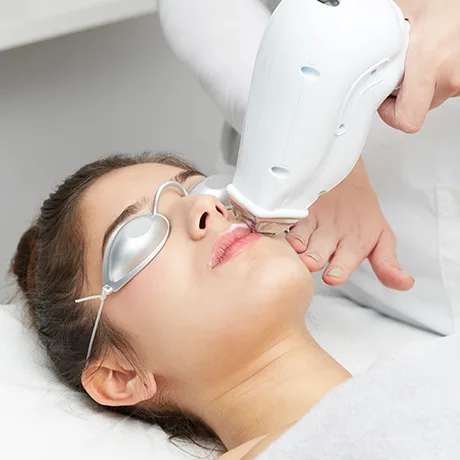
The procedure begins with facial evaluation and preparation of the treatment area. Choice of needle or cannula relates to the area and the plan. Appropriate methods can be used to reduce discomfort; however, promising “completely painless” for everyone is not accurate. The number of treatment areas also affects duration. ASPS's procedure steps describe assessment, preparation, injection and initial care stages. No injection points, depths or quantities to be performed at home are given here. Those details require examination and professional application.
If you experience any new symptom during the procedure, inform the team immediately; you do not have to silently endure discomfort. Which areas will be treated should be agreed at the start. If an additional area is proposed, its reason and scope should be explained. Do not treat a suggestion like “while the product is opened, do another area too” as an automatic decision. Keeping records and receiving aftercare recommendations are complementary parts of the procedure. When going home you should know when to contact the healthcare team and how. These details should not be left to social media messages.
Post-filler swelling, bruising and result assessment
After filler, swelling, bruising, redness or tenderness may occur. The initial appearance may differ from the appearance assessed during follow-up. Some areas may look fuller initially. Obtain personalized advice regarding daily life, exercise, care and follow-up. ASPS's recovery explanation notes that this process varies by person and product. It is neither correct to accept every swelling as normal, nor to treat every small change as a problem requiring a new injection. Report unexpected symptoms to the team that performed the procedure.
You may see conflicting lists online such as “always massage after filler” or “do not touch at all.” Because aftercare can vary by product, follow the instructions given to you. Instead of pressing the area yourself or adding a new care device, clarify the recommendation. AAD's filler FAQs explain that aftercare and the time to see results can depend on the product. When planning before a special event, include the possibility of bruising and the need for follow-up in your schedule, not only the procedure date.
How long do fillers last, is repeat treatment necessary?
There is no single duration that applies to all filler products. Composition, treatment area and individual factors are important. In some products the initial volume change is immediately visible, while in stimulatory products some change occurs over time. When the result should be evaluated must be explained according to the product used. ASPS's results information states that duration of effect can vary by product and person. Definitive statements like “it lasts two years in everyone” or “it completely disappears on this day” do not describe individual response.
The decision to repeat should not be made automatically like a calendar reminder. Your current appearance, previous procedure and new expectation are reassessed. Even when the effect decreases, it is useful to reconsider the question “do I want more volume?” If procedures were performed at multiple centers, share their records. The term “temporary” does not mean every issue can be easily and immediately reversed. Before a new application, discuss what has changed and what you want preserved to reduce unnecessary repeat expectations.
Filler reversal and assessment of previous treatments
The topic of filler reversal cannot be separated from the substance that was used. Not every product can be reduced or removed in the same way. The FDA explains that removal of some permanent or non-hyaluronic fillers can be difficult or impossible and that the required interventions also carry risks. Therefore, the thought “if I don't like it I'll immediately return to my previous state” should not replace the initial decision. The name and date of the previous product are important. If you do not know them, say so openly. Do not obtain products online and attempt self-injection or self-reversal.
If you are unhappy with a previous procedure, first describe which appearance bothers you. Swelling, irregularity, excessive volume or another complaint are not addressed with the same plan. Old photos and treatment records can assist the consultation. Do not assume adding a new filler will automatically fix the problem. During evaluation, waiting, further examination or a different approach may be recommended. The goal is not only to reduce one product but to understand the cause of the complaint and reasonable options. This page is not a personal correction or reversal instruction.
Risks and symptoms that require urgent assessment
Risks of filler include asymmetry, irregularity, nodules, infection, allergic reaction and tissue damage. A rare but serious risk is inadvertent injection of filler into a vessel causing impaired blood flow; severe outcomes including vision loss can occur. ASPS's safety page explains these possibilities. A procedure being brief or described as non-surgical does not eliminate these risks. Explaining the risks and how they would be managed if necessary before the procedure is an important part of the decision.
Unusual pain during or after the procedure, any change in vision, or noticeable pallor, gray or bluish color change around the treatment area require urgent assessment. The FDA recommends seeking medical care without delay for these symptoms. Do not wait for a message reply or a routine follow-up date. Provide the healthcare team with the procedure time, area and, if known, product information. FDA patient warnings contain further information. This brief explanation does not list all complications; reporting any unexpected new symptoms to your care team is important.
Filler cost and before–after images
When comparing filler prices, learn the scope regarding product, areas, follow-up and possible additional assessments. Deciding solely by the milliliter price does not explain your need. Using the same amount in different products or plans does not yield equivalent results. No figures are provided here without current and verified clinic fee information. Requesting written scope and completing your questions before the procedure provides a healthier comparison. For a personal assessment or consultation plan use the contact page. Indicating the area of interest in your message is sufficient; you do not need to share detailed health information in a public forum.
Before and after photos should be taken with lighting, angle, facial expression and timing as similar as possible. A close-up showing a lip does not convey facial proportions. Viewing first-day swelling as a permanent result is also misleading. Images can help describe your decision but do not promise another person’s outcome for you. Be cautious with examples taken with filters or different lighting. The use of your photos for personal follow-up versus public promotion are separate matters. Learn in advance where they will be used.
Ask for answers during the consultation
- Is my complaint related to volume, expression, sagging or another issue?
- What is the exact name and intended use of the recommended product?
- How do my previous procedures affect this plan?
- What are the aftercare, follow-up and contact methods for unexpected symptoms?
- Which areas and follow-up services are included in the fee?
Frequently asked questions and related guides
Do I have to get fillers continuously?
No. The decision to repeat is addressed with expectations, current appearance and personal assessment. Temporariness of effect does not automatically grant approval for a new application.
Do fillers correct all sagging?
No. Adding volume is not the same as surgically repositioning tissues. For pronounced sagging facelift is a different assessment category.
Can I use someone else’s product amount as an example?
You can use examples to describe expectations; however, product amount does not replace personal need. Facial structure, previous procedures and the area are evaluated together.
For expressions consider Botox, and for eyelid problems see eyelid surgery guides. General information has been compared with ASPS, AAD and FDA sources. This content is not a personal product or injection recommendation; its purpose is to clarify differences among options.
What the procedure can address
Not every patient receives the same treatment; the points below may be considered together or separately, depending on the person:
- 01Assess volume, contour and facial proportions within individual anatomy. Excessive volume, perfect symmetry, achieving another person’s photo or complication-free results are not guaranteed.
Who may be a candidate?
Who may be a candidate?
Previous fillers and facial procedures, the products used, allergies, medications and medical history should be shared. Infection or inflammation in the treatment area is evaluated first. Product- and area-specific suitability is considered with examination and product usage information.
Needle-free filler pens or self-application with products purchased online are not a safe alternative.
The process
The target area, the product to be used, the expected change and risks related to vessels are explained during the consultation. Ask the practitioner about their plan for recognizing and managing complications. If filler composition or the location of a previous application is unknown, do not withhold this uncertainty. This page does not contain product quantities or injection instructions.
Results and realistic expectations
Appearance is assessed after swelling has reduced. Duration of effect depends on the product used and individual characteristics. Asymmetry, irregularity or unwanted volume may persist. If correction is needed, its risks and limitations should also be discussed separately.
Risks and limitations
Infection, allergic reaction, nodules, prolonged swelling and irregularity can develop. One of the most serious risks is inadvertent entry of filler into a vessel or impairment of circulation; tissue loss, vision loss and stroke can occur. Although these complications are rare, they can be severe. Delayed reactions are also possible, so report new symptoms to your healthcare team.