What is Breast Reduction?
Breast reduction surgery: volume, daily comfort and expectations
Breast reduction is a surgical procedure that reduces the volume of large breasts while reshaping the remaining tissue. Its aim is not solely to change a bra size; a person's daily activities, clothing preferences and expectations about their body are evaluated together. However, you cannot promise a specific size, perfect symmetry or that all pain will disappear based on internet information. This guide explains which questions are useful to ask when deciding; it does not replace a personalized surgery plan.
When searching for terms like “breast reduction surgery,” “breast reduction scar” or “breast reduction and breastfeeding” you may encounter varied information. Under the same procedure name there can be different amounts of tissue removed, incision options and recovery needs. Therefore another person's result is not a rehearsal for your result. The starting point of the consultation is to clearly express your own complaints and priorities.
Brief decision summary
Volume reduction, shaping and daily comfort are distinct issues. Scars, nipple sensation and the possibility of breastfeeding should be discussed openly. Size selection is not chosen from a catalogue; it is assessed together with tissue and body proportions. The initial recovery period and the settling of the final result are not the same stage. Base your decision on the options and limits explained to you, not on a photograph.
What complaints can be discussed at the consultation?
Neck, back or shoulder complaints related to large breasts, pressure from bra straps, skin irritation under the breast and discomfort during exercise are among the reasons to consider evaluation. Not all of these may be solely caused by breast size. If the pain has another source, focusing only on breast volume can be misleading. The Mayo Clinic patient guide provides a framework that recommends evaluating indications and risks together.
When preparing for the consultation, rather than saying “I am uncomfortable,” give examples of situations you experience: needing support while walking, difficulty finding clothes, increasing pressure at the end of the day, or a recurrent skin problem. This description makes your expectations visible without reducing you to a single measure. Also state whether your goal is an aesthetic change, easier movement, or a balance of both.
Decisions should not be made based on others’ comments about your body. Resembling someone in a photograph is not the same goal as making your own daily life easier. Example images can be used to describe the desired change; however, the result shown in that image does not constitute a promise. The ASPS candidate evaluation treats personal expectations and general health conditions as part of this process.
Are reduction, lift and augmentation the same operation?
No. In breast reduction, volume reduction is primary; reshaping may also be part of the plan. A breast lift is evaluated with a different priority, focusing on breast form and sagging. Breast augmentation aims to increase volume and is a different topic. Reading these pages together helps you understand the difference in goals behind similar terms.
Compare procedures by their goals
| Topic | Priority | Key question |
|---|---|---|
| Breast reduction | Reduce volume and reshape | Which change meets my expectations? |
| Breast lift | Evaluate form and sagging | Am I bothered by volume or by position? |
| Breast augmentation | Options to increase volume | What are the limits of my desired increase? |
| Gynecomastia | Evaluate male breast enlargement | How is the tissue quality assessed? |
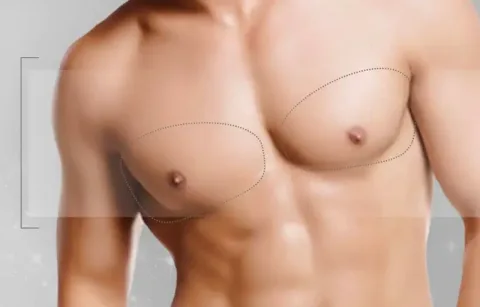
The gynaecomastia guide offers a separate evaluation for male breast enlargement. Do not assume the same technique or recovery plan based on a name similarity. Also requests such as “lift but keep volume unchanged” and “reduce noticeably” are different expectations. Clarifying this distinction early in the consultation helps subsequent explanations be more understandable.
What is discussed during the examination?
General medical history, medications, previous surgeries, allergies and family history of breast disease should be shared. Prior imaging or biopsy results may also be important. Breast shape, skin condition and nipple position are evaluated. The ASPS consultation guide notes that medical history should be discussed as openly as expectations.
It is more helpful to explain than to hide: tobacco and e-cigarette use, supplements, recent weight change, the time you can allocate for care, or any concerns about surgery. Bring up any recommendation you heard elsewhere as a question. Asking “I was told this method; why is it suitable or not suitable for me?” is more functional than memorizing technical names.
If you have a newly noticed lump, unusual nipple discharge or a clear new skin change, do not leave this behind aesthetic goals; share it with the surgeon. This guide cannot explain the cause of such symptoms. The consultation is an opportunity to determine the sequence of necessary evaluations; it does not mean everyone will need the same list of tests.
How is the surgical plan and incision options explained?
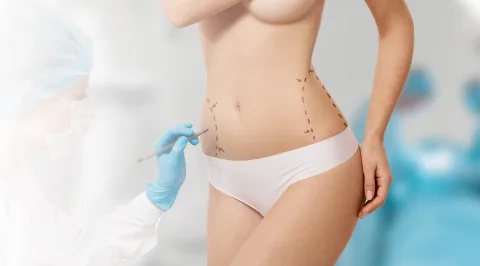
Technique selection is made together with breast structure, the volume considered for reduction and the patient's preferences. Excess tissue and skin are removed; the remaining portion is reshaped. Incision lines may extend around the nipple, vertically, or along the breast crease. The same scar pattern is not used for everyone. The ASPS procedural steps explain that the approach varies according to individual anatomy.
The declaration of one technique as “the best” does not mean it is the right option for you. In the consultation ask, using a drawing, where the incisions will be, which tissue will be preserved and why that choice is made. Also ask why an alternative was not chosen. This lets you evaluate how the preferred plan relates to your needs rather than just repeating a method name.
Approach claims of “scarless breast reduction” with caution. Scar appearance is an explicit part of the plan in procedures that involve incisions. The procedure name alone does not guarantee scar appearance, nipple sensation or breastfeeding outcome. The assumption that reduction is only a liposuction procedure does not apply to everyone. Do not limit your question to “will there be a scar?”; learn its location, the expected change and follow-up approach as well.
Preoperative preparation: plan your daily life too
The necessary examinations, laboratory tests or breast imaging are determined by the personal evaluation. The care team should explain adjustments regarding medications and nicotine use; do not stop your regular medication on your own. Plan your return home and initial support needs in advance. The ASPS preparation guide emphasizes that safe transport home and postoperative help are part of preparation.
Preparing your home is not only about pillows or clothing. Consider details such as childcare, expected return to work, household tasks, shopping and transportation to follow-up visits. Instead of attempting to continue every task the same day, write down which tasks you will ask for help with. Keep follow-up contact information easily accessible; ensure the person at home knows when to contact the team.
Assessment and follow-up in four stages
1. Define the need
Separate your volume, comfort and appearance expectations. Clearly state your most important goal and any limits you cannot accept.
2. Understand the plan
Discuss the technique, incision locations, sensory changes and breastfeeding issues. Request clarification for any unclear points.
3. Organize care
Prepare home support, transportation, work arrangements and follow-up visits. Do not create your own medication or care protocol without guidance.
4. Evaluate the result over time
Do not consider the initial appearance the final result. Record complaints and update your personal recovery plan at subsequent follow-ups.
Recovery, return to work and activity
In the early period dressings, a supportive bra and drains in some cases may be used. Care, follow-ups and movement restrictions are implemented according to the plan explained to you. Swelling and bruising can affect the initial appearance; the settling of the result can take longer than the early recovery. The ASPS recovery guide reminds that follow-up questions need personal answers.
The question “How many days until I return to work?” is incomplete without your job description. Sitting at a desk briefly, heavy lifting, driving and standing all day create different needs. Learn from your surgeon which restrictions you should discuss with your employer. Do not choose a day given by someone else on the internet as your definite timetable; the extent of the surgery and follow-up findings may vary.
Feeling well at home does not mean you are ready to resume all exercises. The intensity and type of activity should be evaluated together. Ask specific questions about running, weight training, activities that load the upper body or long trips. Think of “returning to normal life” not as a single step but as a gradually expanding program to make the plan clearer.
Scars, sensation and long-term expectations
Incision scars can be permanent; although their appearance changes over time, they should not be expected to disappear completely. Decreased or altered nipple sensation, and differences in shape and size, are possibilities that should be discussed. The NHS breast reduction guide clearly explains these limits and the importance of the surgical decision.
In scar care, focus on the follow-up recommended for your wound rather than advertising claims that “erase completely.” An open wound and a healed incision do not require the same care. Ask about suitability before using additional products. In before-and-after photo comparisons, lighting, posture, timing and shooting distance can change appearance; do not infer care success from a single image.
When evaluating the result create a checklist broader than a bra letter size. Consider comfort during movement, clothing fit and the appearance you targeted together. Perfect symmetry or the exact size of a particular brand's bra is not a standard surgical outcome. Recording the goal discussed during the consultation prevents later comparisons based only on a social media photo.
Breastfeeding and future pregnancy
Breastfeeding after reduction should not be guaranteed in advance; breastfeeding may be affected and may not be possible for some individuals. If you are considering pregnancy in the future, mention this when planning. Pregnancy can change breast size again. This issue concerns not only how the surgery is performed but also your timing preference; the decision requires a personal assessment.
Saying “I plan to have children later” in the consultation is a sufficient starting point; you do not need to share unnecessary personal details. However, concealing your plan may leave an important concern unaddressed. If breastfeeding is central to your expectations, place it at the center of the decision. A general internet statement cannot explain how a specific technical choice will affect your expectation.
Risks and when to seek help
Bleeding, infection, wound healing problems and anesthesia-related risks are part of the surgical consultation. Unexpected shape, sensory changes or the need for additional procedures may also occur. Contact the team without delay if you have fever, wound opening, worsening discharge, or marked swelling with pain and pressure in one breast. The Cleveland Clinic patient guide addresses conditions that require care and help.
Do not wait on a rapidly worsening complaint because “the internet says it’s normal.” Learn the contact channel given at discharge and the steps to follow in an emergency. Seek urgent medical help for serious symptoms such as shortness of breath, chest pain or fainting. This page does not perform wound assessment by photograph, does not declare a personal symptom normal, and does not replace emergency help.
How to discuss breast reduction cost?
In the fee discussion ask not only the total figure but also what that figure covers. Request clear explanations about the facility, anesthesia, follow-up visits and any additional services that may be necessary. No verified clinic price list is provided on this page, so no amount is given. An example of insurance or fees from another country cannot be presented as your personal offer in Turkey.
When comparing quotes make sure the same services are being compared. Rather than focusing only on the lowest price, ask who will provide care and how it will be continued. Clarify the written scope of “all inclusive.” Learn how plan changes or additional evaluations will be handled to avoid surprises after the consultation.
Question list to bring to the consultation
- Is my priority volume reduction, comfort, or a balance of both?
- Can you draw and explain incision locations and alternatives?
- What are the uncertainties about sensation and breastfeeding for me?
- How should I plan work, home support and follow-up visits?
- Which contact channel should I use for which symptoms?
- Which services and follow-ups are included in the fee?
Frequently asked questions
What bra size will I reach after surgery?
Instead of promising a specific brand or size, discuss targeted volume and body proportions. Different bras have different shapes. A single measure alone does not express appearance, comfort and personal expectation.
Will all my back pain go away?
No such guarantee can be given. It is not correct to attribute all pain to breast size without evaluating the cause. Discuss the expected benefit and whether other evaluations are needed with your surgeon.
Is a separate surgery required for a lift?
Reshaping can be performed during reduction; however, the plan that meets your goal will be explained after examination. Do not assume an automatic package or identical outcome based only on procedure names.
When should I look at result photos?
The initial appearance is not the final look. Review photos with the team's explanation, under the same conditions and at an appropriate time. Commenting on the permanent result based on early swelling can be misleading.
Two example consultations that clarify decision-making
In the first example the person says they are more bothered by sagging than by large breasts and wants to preserve volume. In this case, going directly to “how many sizes will be reduced?” misframes the expectation. A more useful start is to explain the difference in goals between lifting and reducing. When the person describes the desired appearance, the reasons the options differ become clearer. This example illustrates the importance of expressing the goal accurately, not a surgical recommendation.
In the second example the person wants to reduce the need for support in daily activities but highly values future breastfeeding. Here discussing only a result photo is insufficient. In addition to the volume goal, uncertainties about breastfeeding, scars and timing should be raised together. The aim of the consultation is to leave with an understanding of agreed changes and unacceptable risks, not with the idea that “smaller breasts are always better.” Two people researching the same procedure title do not necessarily reach the same decision.
How to take consultation notes?
Divide a short page into three sections: the situations that bother me, the change I expect, and the topics I want explained. Write your daily examples in the first section. In the second section put your priority rather than a measurement: comfort in clothing, ease of movement or form expectation. In the third section gather questions about scars, sensation, breastfeeding and follow-up to reduce forgotten points during the consultation.
Afterwards add the options explained to you and the points still unclear to your notes. If a method name alone is not sufficient, request further explanation. If a relative accompanies you to the consultation their questions can help; do not let the decision drift away from your expectations. You do not need technical words to express your priority. Clarity of explanation, your ability to ask questions and having time to think are important.
When a surgery decision is made you can complete the same notes with a care plan: who you will go home with, how you will get to follow-up visits and which channel to use to contact the team. This arrangement does not create a medical protocol; it helps place the plan into your daily life. Rather than filling in unclear details from the internet, clarify them again during the consultation.
Information and next step
This guide does not create a personal diagnosis, suitability for surgery or a clinician's evaluation document. Sources are used for general patient information; this is not a claim that the clinic performs a specific technique. Before deciding, discuss your expectations, risks and care plan. You can request information about the assessment process from the Contact page; you do not need to send private health documents with your first message.