What is Arm Lift?
What is arm lift surgery and which area does it change?
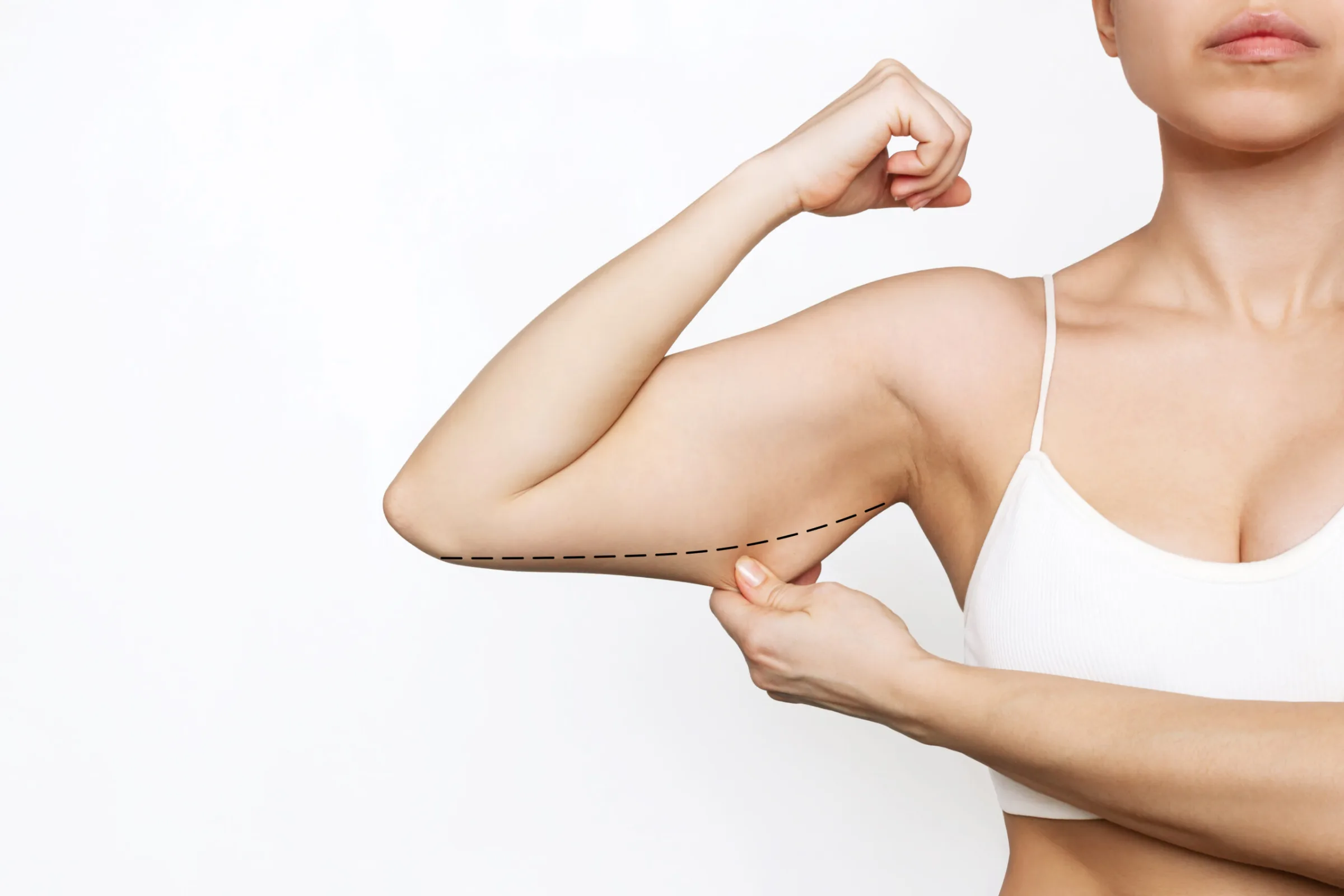
When you raise your arm to the side, you may see folded skin on the underside of the upper arm. This appearance is not explained solely by a large arm circumference: skin laxity, fat tissue and the condition of supporting structures are evaluated together. Brachioplasty is a procedure aimed at the contour of the upper arm between the axilla and the elbow. Changes in the hand, forearm or shoulder should not be assumed to be corrected by the same operation.
Weight changes, aging and hereditary features can play a role in upper arm skin sagging. The operation aims to reduce excess skin and to refine the remaining tissue contours. These goals are different from muscle-building objectives. The basic definition and scope of the procedure are addressed with this distinction in the ASPS arm lift description.
You do not need to come to the first consultation having chosen a specific technique by name. It is more useful to explain the area of concern when wearing sleeveless clothing, the appearance during arm movement and the change you expect. The surgeon’s role is to match this expectation with the examination findings. Rather than aiming to look like a photo on the internet, discussing what change is possible on your own anatomy provides a clearer basis for decision-making.
Can arm sagging be corrected with exercise?
Removing excess skin and strengthening the muscles are different objectives. Resistance exercise can contribute to muscle tone; however, it does not remove significant, sagging excess skin in the way surgery can. The Cleveland Clinic explains this difference in its brachioplasty patient guide. Nevertheless, this information does not mean exercise is unnecessary; healthy habits and the decision to undergo surgery are not mutually exclusive options.
During the consultation, describe your past weight changes and whether you plan to lose weight in the future. If you say “it didn’t improve despite exercising,” clarify how long you have been training and exactly which appearance bothers you. Instead of deciding only by circumference measurements, ask that the fat and skin components be explained separately. This approach will help you define the benefit you can expect from the procedure more clearly.
Arm lift and liposuction: not the same goal
| Initial question | Approach discussed at consultation | Clarify before deciding |
|---|---|---|
| Is it volume or skin folding? | Fat tissue and skin elasticity are evaluated separately. | Which tissue layer the recommended procedure targets. |
| Is liposuction sufficient? | Reducing fat and removing skin are not the same procedure. | Expected skin appearance if a lift is not performed. |
| Is a shorter incision possible? | Incision length is related to the location of the skin excess. | Areas that a limited incision cannot reach. |
| Are the two procedures combined? | A combined plan for fat and skin is discussed separately. | How added scope affects recovery and risk. |
| What if I don’t have any procedure? | It is possible to wait and reassess goals later. | Whether the requested change in appearance is your priority. |
The difference between arm liposuction and arm lift
Liposuction is aimed at reducing fat tissue; arm lift also addresses excess skin. Thinking of both only as “arm slimming” can blur expectations about scars and outcomes. That’s why the question “Does the proposed procedure include skin removal?” is important. Request to see clearly in the offer and operative plan what the procedure will include.
Fat reduction can be part of some arm lift plans. However, this does not mean every patient requires both procedures. Choosing a technique based only on a device name does not provide a correct comparison. Skin elasticity, the distribution of sagging and the amount of scar you are prepared to accept should be discussed together. The Cleveland Clinic’s arm aesthetics information explains the relationship between excess skin and the extent of incision.
Who may be considered for an arm lift?
Evaluation may be appropriate for adults with noticeable upper arm skin laxity, relatively stable weight and realistic expectations. Health status, issues that may affect wound healing, and smoking also form part of the consultation. The ASPS candidacy information addresses these topics together. Meeting items on an internet checklist alone does not prove you are suitable for surgery.
Suitability should not be reduced solely to age or weight. During the consultation, answer “Why now?” for yourself: is it your clothing preference, your appearance, or an impact on daily life that is the priority? Unlike a decision made under someone else’s direction, being able to describe your own expectation is important. Needing time to decide is also a natural result of the consultation; the first appointment is not a commitment to surgery.
What information is discussed during the examination?
Provide information about previous surgeries, illnesses, allergies, medications and supplements you use. Use of tobacco, alcohol and other products should not be withheld from the health assessment. The surgeon will discuss options, possible outcomes and risks specific to your situation. The general content of this conversation is summarized in the ASPS consultation guide.
Preparing a short note before the appointment makes the visit more efficient. On the first line, write the area that bothers you most; on the second line, your thoughts about scars; on the third line, any work or home constraints. At the end of the discussion, repeat the recommended procedure in your own words. This makes it easier to notice the gap between a general expectation like “a slimmer arm” and the actual surgical scope.
Where will the arm lift scar be?
The incision is planned according to the amount and location of skin to be removed; it can be on the inner or posterior side of the arm and may extend from the axilla toward the elbow. More limited incisions can also be considered in some cases. The ASPS procedural steps show that a single incision pattern is not applied to everyone. Do not interpret the term “mini” as a guarantee of the same correction along the entire arm.
Ask how the scar will look not only with your arm at your side but also when you raise your hand or wear short-sleeved clothing. Discussing the plan with drawings during the examination can be more informative than a single photograph. If you believe you would be bothered by a scar, state this clearly before the operation. A meaningful balance should be established for you between the desire for a smoother contour and acceptance of scarring.
Scars should not be planned as if they will completely disappear. The early postoperative appearance and later appearance may differ; however, the presence of an incision scar remains for outcome assessment. Photos on the internet can be modified by lighting, shooting angle, arm position and the time elapsed. It is not possible to determine exactly how your scar will look by placing two different people’s photos side by side.
Four stages from consultation to follow-up
1. Define the goal
Describe your expectations for volume, skin folding and scar appearance separately. Note the proposed scope and record any unanswered questions.
2. Clarify the plan
Discuss incision location, possible liposuction, anesthesia and postoperative care. Arrange time off work, home support and follow-up appointments according to this plan.
3. Obtain written care instructions
Keep the instructions given for dressings, any drains and the support garment. Communication channels and symptoms requiring evaluation should be clear.
4. Manage the return with follow-ups
Raise work, driving and exercise goals as separate questions. Do not use someone else’s timetable for your recovery program.
How is preoperative preparation planned?
Preparation may include medical evaluation or tests; the management of current medications and plans related to smoking will be arranged with the healthcare team. Do not stop a prescription medication based on this text alone. Discuss transportation home and early postoperative support needs in advance. The ASPS preparation guide emphasizes that this organization is as important as the operation itself.
A practical preparation checklist is not limited to what to pack. If you provide care for a child or another dependent at home, identify who can help. Describe work tasks, driving and lifting duties during the consultation. Rather than assuming you will return to all tasks the same day, ask when each can be reassessed. Include follow-up transportation in this conversation.
Recovery and daily life after an arm lift
Dressings, bandages or compression garments may be used; in some cases, a temporary drain is placed to remove collected fluid. Your healthcare team will explain care, removal timing and follow-up dates for these. The ASPS recovery information emphasizes individualized instructions. Do not apply another person’s compression duration or dressing method as your own plan.
Instead of asking “When will I be back to normal?” break daily life into small categories. Desk work, reaching for an item on a shelf, carrying a bag and sports activities have different requirements. This differentiation helps discuss how movement restrictions will be adapted to your work. Pain level alone should not be the sole measure determining which movements are appropriate; confirm the return plan at follow-up visits.
Do not confuse the early appearance during recovery with the final result. Swelling and bruising can affect the early contour; the appearance of results changes over time. Weight changes and aging can also affect the appearance later on. The ASPS results information notes both permanent scars and that outcomes are not guaranteed. Follow-up visits are important not only for photography but also for assessing healing.
Risks and when to seek help
Arm lift carries risks such as bleeding, infection, fluid collection, wound healing problems, noticeable scars and sensory changes. Damage to deeper structures or the need for revision surgery is also possible. Anesthesia-related risks are assessed separately. Discuss these not only as a checklist on a form but in relation to your personal health. General risk topics are listed on the ASPS safety page.
Excessive bleeding, fever, drainage from the incision, unusual swelling, pain that persists despite treatment, or new movement or sensory changes in the hand or arm should be evaluated by your healthcare team. Seek urgent medical help for shortness of breath or chest pain; do not wait for a routine message response. These symptoms are also emphasized in the Cleveland Clinic patient guide. Keep the contact and emergency instructions from your discharge paperwork easily accessible.
Consultation checklist for arm lift
- Describe the appearance that bothers you most and your primary goal.
- Ask whether the proposed plan includes skin removal and liposuction.
- Discuss the incision location with drawings while the arm is down and up.
- Disclose your medications, supplements and past surgeries completely.
- Plan work, transport, home support and follow-up schedule separately.
- Obtain written care instructions and the contact method for help.
- Learn the scope of the price quote regarding follow-up and possible additional procedures.
What determines arm lift price variability?
To evaluate a price, you must first know which operation is being proposed. Ask about the extent of the incision, whether liposuction is included, anesthesia, the facility where the surgery will be performed and the follow-up plan. Comparing the final amount alone may present offers with different content as the same service. This page does not provide a price or a universally applicable package without a verified personal offer.
When obtaining a written quote, clarify what is included, what is billed separately and how to proceed if additional care is required. It is helpful to request a list explaining what “all-inclusive” means for you. Rather than discounts or pressure for a quick decision, first aim to understand the method, scarring, health assessment and care plan. Budget questions can be discussed as openly as medical questions.
Frequently asked questions about arm lift
Is scarless arm lift possible?
When excess skin is surgically removed, an incision and a scar form. If “scarless” refers to a procedure performed through smaller entry points, ask whether that procedure actually removes skin. Even if terminology is similar, procedures may not have the same objectives. Form your expectation from the real operative scope described to you, not from marketing names.
Will both arms look exactly the same?
Discuss the differences between your two arms during the consultation and the degree of symmetry being targeted. Perfect equality should not be given as a guaranteed outcome. Because arm angle and lighting in photos also affect appearance, consistent assessment conditions are important. Describe any difference you notice at follow-up; do not conclude outcomes on your own from social media images.
Can arm lift be combined with other procedures?
You can describe your desire to change multiple areas in the same consultation; however, simultaneous surgery is not an automatic choice. Tummy tuck, thigh lift and breast lift target different regions. The scope for each area, total recovery burden and staged approaches should be discussed separately.
How do I set a sports return schedule after surgery?
Tell your surgeon which sports you practice, the weights you use and your weekly routine. “Return to sport” is not a single event; walking, swimming and upper-body training may require different plans. Instead of a fixed number of weeks found online, follow the program given based on your own follow-up findings. If a written instruction contains an unclear expression, ask for clarification.
A final step to solidify the decision
How to use your consultation notes
Rather than listing questions only as “how many days,” keep the answers. For example, if your job requires raising your arm above your head, write that task by name and add the re-evaluation plan beside it. If you live alone, discuss which person can help and on which days. Whether the plan fits your real life is a more concrete matter than the short or long name of a technique.
It is normal to ask a term you did not understand again during a consultation. Ask the meaning of phrases such as “supporting tissue,” “limited incision” or “additional liposuction” as they apply to your operation. Keep a new list of questions that occur to you later. When explaining the decision to others, use information specific to your plan; do not infer exact timing or results from another patient’s experience. This approach helps you share expectations with the healthcare team in the same language.
What to ask about follow-up photos?
If photographs will be taken for clinical records, ask under what conditions they will be stored and who will have access. Clinical follow-up and internet publication have different purposes; a photo taken for assessment is not automatically consent for use on social media. Separate permission should be discussed for publication. Request similar lighting, arm position and shooting distance when comparing results to make images more meaningful. Remember that photographs do not replace an examination.
At the end of the consultation, have three separate notes: the expected change, the scar you accept and a feasible care plan for you. If any of these three items is unclear, merely learning the name of a technique does not mean the decision is complete. For example, if you request a shorter scar, note which areas may remain uncorrected as a consequence. You can calmly compare the options offered to you after going home.
You can request information about a consultation on the Contact page and describe which appearance of your upper arm bothers you. This guide is for general information and does not replace a personal diagnosis or method selection. Deciding to wait after understanding the options is a valid outcome of the consultation as much as setting a surgery date.
What the procedure can address
Not every patient receives the same treatment; the points below may be considered together or separately, depending on the person:
- 01Address the upper arm contour by evaluating skin and fat tissue together. A specific arm circumference, scarless healing or perfect symmetry between both arms is not guaranteed.
Who may be a candidate?
Who may be a candidate?
The degree of skin laxity, weight history, general health and previous wound healing are evaluated. Medications and supplements used, smoking or nicotine use and prior surgeries should be reported to the physician. The alignment between surgical scars and expectations is also discussed.
This text is not a certificate of suitability for surgery. The decision not to operate or to consider different options is evaluated in a personal consultation.
The process
During the consultation, incision sites, possible scar length, anesthesia and the need for additional liposuction are explained. Work that requires the use of the arms, exercise and caregiving responsibilities are included in the planning. Medication changes should only be made on the instructions of the relevant physicians.
Results and realistic expectations
Contour is more accurately assessed as swelling subsides. Scar appearance can change over time but full disappearance should not be expected. Weight changes and aging can lead to recurrent laxity. If results do not meet expectations, additional evaluation may be required.
Risks and limitations
Bleeding, infection, fluid collection, tissue loss, delayed wound healing, noticeable scars and persistent sensory changes are possible. Nerves, vessels or deep tissues may be damaged. Chronic pain and the need for further surgery can occur. Anesthesia risks should be assessed in relation to personal health.