- [email protected]
- Istanbul / Turkiye
- Call Us : +905321575034

Get a Free Quote
Liposuction
Liposuction
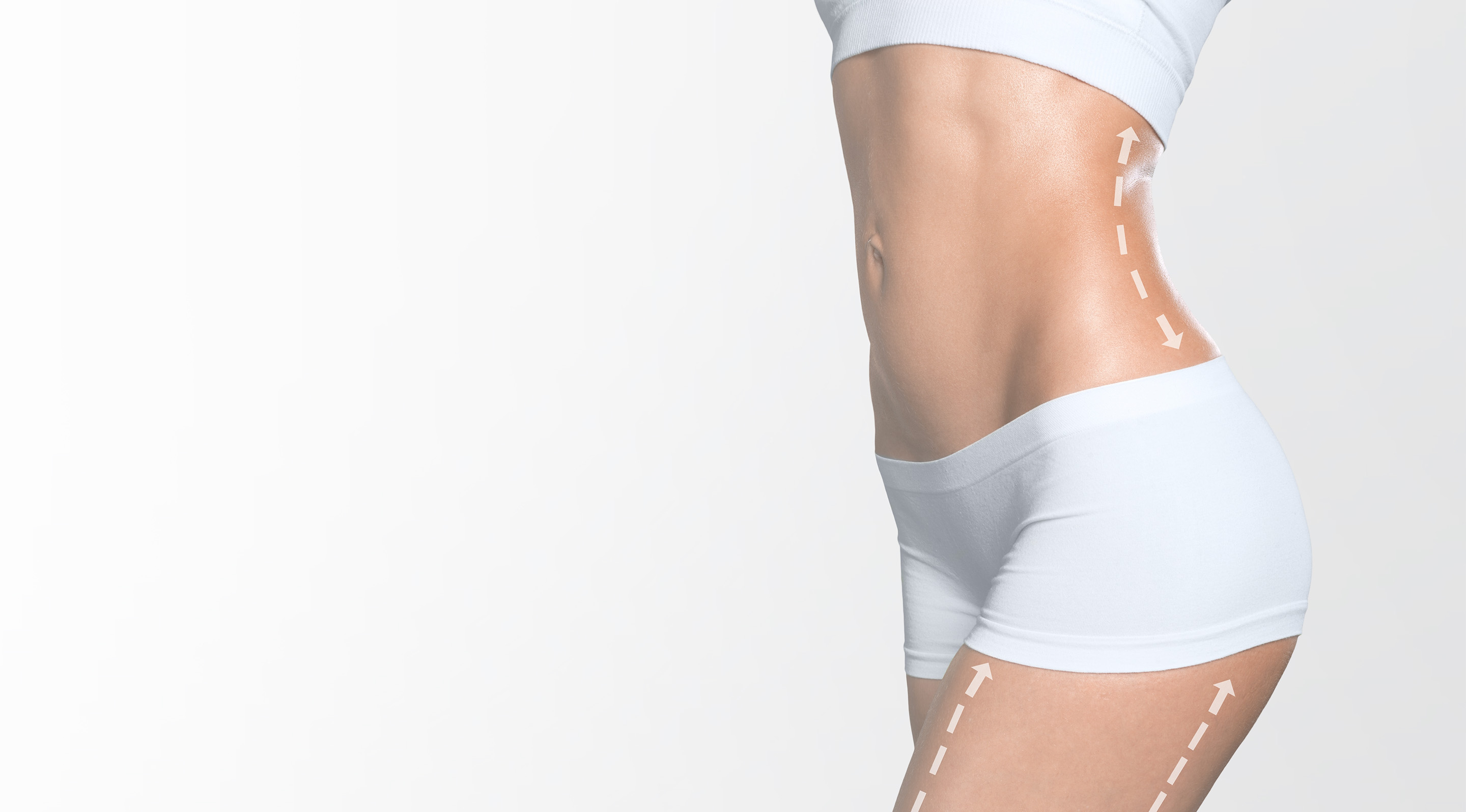
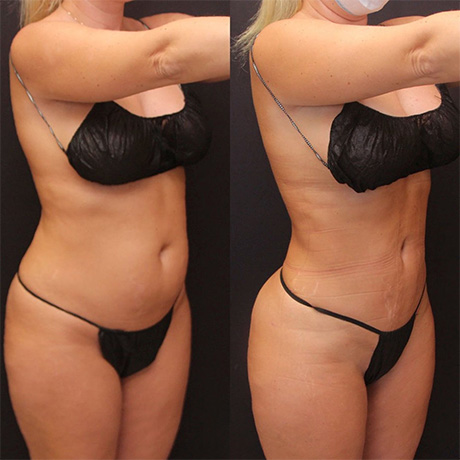
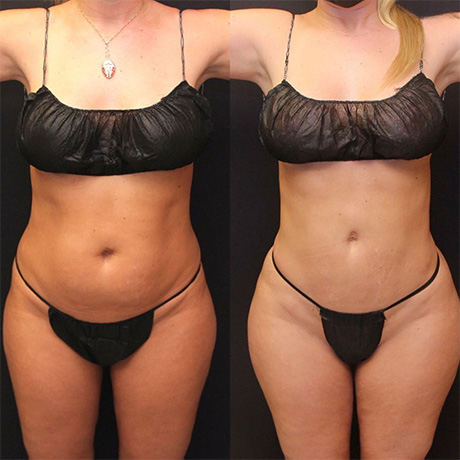
Liposuction is a cosmetic procedure designed to eliminate excess fat and sculpt the body into desired proportions. In Turkey, liposuction is carried out by highly skilled and experienced plastic surgeons who utilize advanced technology and techniques. This procedure is widely favored by patients due to its convenience, as it can target multiple areas in one session and can often be combined with other cosmetic surgeries for comprehensive results. Additionally, liposuction in Istanbul provides top-notch medical care, offering packages that encompass not only the procedure itself but also transportation, accommodation, and additional related services for a seamless and comfortable experience.
What is Liposuction?
Liposuction is a cosmetic surgical procedure aimed at removing excess fat deposits from specific areas of the body to improve its contour and shape. During the procedure, a thin tube called a cannula is inserted through small incisions in the skin, and fat is suctioned out using a vacuum-like device. Liposuction can be performed on various body parts, including the abdomen, thighs, buttocks, hips, arms, and chin. It is important to note that liposuction is not a weight loss solution or a treatment for obesity, but rather a way to address localized areas of stubborn fat that are resistant to diet and exercise. The goal of liposuction is to sculpt and reshape the body, providing patients with smoother, more proportionate contours.
Liposuction Techniques
Liposuction techniques have evolved over the years to provide safer and more effective results. Some common liposuction techniques include:
Traditional Liposuction: This method involves using a cannula to manually break up and suction out fat deposits. It is effective for larger areas and may require general anesthesia.
Tumescent Liposuction: In this technique, a solution containing saline, local anesthetic, and epinephrine is injected into the targeted area. This solution helps numb the area, reduce blood loss, and constrict blood vessels, making it easier to suction out fat.
Power-Assisted Liposuction (PAL): PAL uses a vibrating cannula to break up fat cells, making them easier to remove. This technique can reduce surgeon fatigue and may result in smoother outcomes.
Ultrasound-Assisted Liposuction (UAL): UAL utilizes ultrasound energy to liquefy fat cells before suctioning them out. This technique is particularly useful for fibrous areas like the upper back and male chest.
Laser-Assisted Liposuction (LAL): LAL, also known as laser liposuction or SmartLipo, uses laser energy to liquefy fat cells before removal. It can also stimulate collagen production, leading to skin tightening in some cases.
Water-Assisted Liposuction (WAL): WAL involves using a jet stream of water to dislodge and remove fat cells. This technique is gentle and may result in less bruising and swelling compared to traditional liposuction.
Radiofrequency-Assisted Liposuction (RFAL): RFAL uses radiofrequency energy to heat and liquefy fat cells, which are then suctioned out. This technique can also tighten the skin by stimulating collagen production.
Each liposuction technique has its advantages and is suitable for different patients and areas of the body. The choice of technique depends on factors such as the patient's goals, the surgeon's expertise, and the characteristics of the treatment area.
Liposuction Procedure
The liposuction procedure typically begins with the administration of anesthesia to ensure the patient's comfort throughout the surgery. Once the anesthesia takes effect, small incisions are made in the targeted area. These incisions are usually inconspicuous and strategically placed to minimize visible scarring. A tumescent solution, consisting of saline, local anesthetic, and epinephrine, may be injected into the area to help numb the area, reduce blood loss, and facilitate fat removal. Next, a thin tube called a cannula is inserted through the incisions and moved back and forth to break up and loosen the excess fat cells. The cannula is connected to a suction device, which removes the liquefied fat from the body. The surgeon carefully sculpts and contours the area to achieve the desired results. Once the desired amount of fat has been removed and the desired contour has been achieved, the incisions are closed with sutures or left to heal on their own. Depending on the extent of the procedure and the patient's individual needs, compression garments may be applied to the treated area to help reduce swelling and support the healing process. After the surgery, patients are typically monitored for a short period in a recovery area before being discharged home with detailed post-operative instructions. It's important for patients to follow these instructions carefully to ensure a smooth recovery and optimal results. Swelling, bruising, and discomfort are common after liposuction, but these symptoms usually subside within a few weeks, and patients can gradually resume their normal activities as advised by their surgeon.