- [email protected]
- Istanbul / Turkiye
- Call Us : +905321575034

Get a Free Quote

Thigh Lift
Thigh Lift
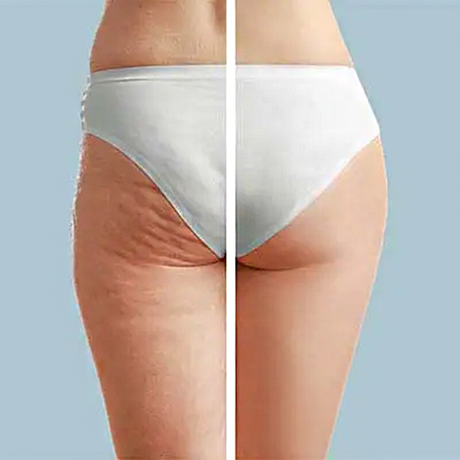
You're definitely not alone in facing challenges with excess skin and stubborn fat on your thighs, which can affect confidence and clothing choices. Fortunately, there's a solution: thigh lift surgery, or thighplasty, offered in Istanbul, Turkey. Thigh lift surgery addresses these concerns by removing excess skin and fat from the thighs, resulting in a more contoured and toned appearance. This procedure is performed by experienced and skilled plastic surgeons in Istanbul, known for their expertise and the use of advanced techniques. By opting for thigh lift surgery in Istanbul, individuals can achieve their desired thigh appearance and regain confidence in their body. It's a transformative procedure that can enhance both physical appearance and self-esteem, providing lasting results and a renewed sense of self-assurance.
What is Thighplasty?
Thighplasty, commonly known as thigh lift surgery, is a cosmetic procedure aimed at improving the appearance of the thighs by removing excess skin and fat. This surgery is typically sought by individuals who have experienced significant weight loss, aging, or genetic factors that have led to sagging skin and loss of thigh contour. During thighplasty, the surgeon makes incisions in strategic locations, usually along the inner thigh or in the groin area, to access the underlying tissues. Excess skin and fat are then removed, and the remaining skin is tightened and smoothed to create a more toned and contoured appearance. Thighplasty can be tailored to address specific concerns, such as loose skin on the inner thighs (medial thigh lift) or excess tissue on the outer thighs (lateral thigh lift). The goal of the procedure is to achieve smoother, firmer thighs and improve overall body proportions. Recovery from thigh lift surgery typically involves some swelling and bruising, which gradually subside over time. Patients are advised to follow post-operative instructions provided by their surgeon to ensure optimal healing and results. Thighplasty can be a transformative procedure, enhancing both the appearance and confidence of individuals seeking to improve the contour of their thighs.
Causes of Sagging Thigh Skin
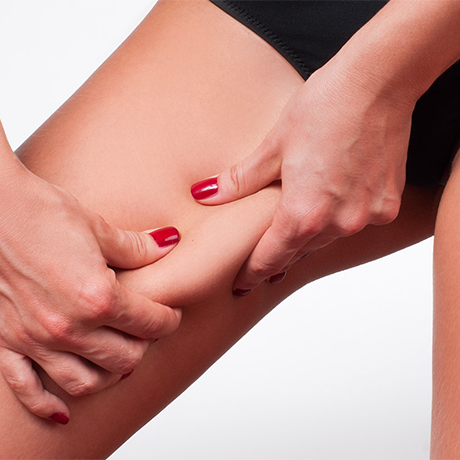
Sagging thigh skin can be attributed to various factors, both intrinsic and extrinsic. One primary cause is the natural aging process, during which the skin gradually loses collagen and elastin, two proteins crucial for maintaining its firmness and elasticity. As these supportive structures weaken, the skin becomes less able to bounce back and may start to sag. Significant weight loss is another common cause of sagging thigh skin. When a person loses a substantial amount of weight, either through diet and exercise or bariatric surgery, the skin that was once stretched over a larger body size may not retract fully to conform to the smaller body size. This results in excess or loose skin, particularly in areas like the thighs where fat deposits are significant. Genetics also play a role in determining the quality and resilience of the skin. Some individuals may be predisposed to having looser skin due to genetic factors, regardless of their weight or age. Additionally, lifestyle factors such as sun exposure, smoking, and poor nutrition can contribute to premature skin aging and loss of elasticity, which may exacerbate sagging thigh skin.
Who Is an Ideal Candidate for Thigh Lift?
An ideal candidate for a thigh lift, known as thighplasty, typically presents with concerns related to excess skin or tissue on the thighs, often resulting from factors such as significant weight loss, aging, or genetic predisposition. These individuals may find that despite their efforts through diet and exercise, the excess skin persists, impacting their confidence and body contour. Suitable candidates for thigh lift surgery are generally in good overall health, free from medical conditions that could pose risks during surgery or hinder the healing process. They should also have realistic expectations about the outcomes of the procedure and understand that it is not a substitute for weight loss or a healthy lifestyle. Commitment to maintaining a stable weight post-surgery is crucial to preserving the results. Additionally, candidates should be non-smokers or willing to quit smoking before and after the procedure, as smoking can impair healing and increase the risk of complications. A thorough consultation with a qualified plastic surgeon is essential to determine candidacy and develop an individualized treatment plan to achieve the desired aesthetic goals.
Types of Thigh Lift
Thigh lift surgery, or thighplasty, encompasses several types of procedures tailored to address specific concerns and goals. The main types of thigh lift procedures include:
Medial Thigh Lift: This procedure targets the inner thighs and is ideal for individuals with excess skin and tissue in this area. The surgeon makes incisions along the inner thigh, allowing for the removal of excess skin and fat. Medial thigh lift surgery helps tighten and contour the inner thighs for a smoother appearance.
Lateral Thigh Lift: Lateral thigh lift focuses on the outer thighs and hips. It involves making incisions along the outer thigh and hip area to remove excess skin and fat, resulting in improved thigh and hip contours. Lateral thigh lift surgery is beneficial for individuals seeking to address sagging skin on the outer thighs and enhance overall body proportions.
Bilateral Thigh Lift: Bilateral thigh lift targets both the inner and outer thighs, addressing excess skin and tissue along the entire thigh area. This comprehensive procedure involves making incisions along the inner and outer thigh regions to remove redundant skin and fat, resulting in smoother, more toned thighs.
Vertical Thigh Lift: Also known as spiral thigh lift or vertical thighplasty, this procedure focuses on lifting and tightening the upper portion of the thigh. It involves making incisions along the groin crease and extending vertically down the inner thigh. Vertical thigh lift surgery is suitable for individuals with moderate to severe sagging in the upper thigh area, providing significant lifting and contouring effects.
Extended Thigh Lift: Extended thigh lift addresses excess skin and fat not only on the thighs but also extends to the buttocks and hips. This procedure involves making incisions that extend from the groin area around the hips to the lower back. Extended thigh lift surgery is suitable for individuals who require extensive contouring of the lower body, resulting in improved thigh, buttock, and hip contours.
Thigh Lift Procedure
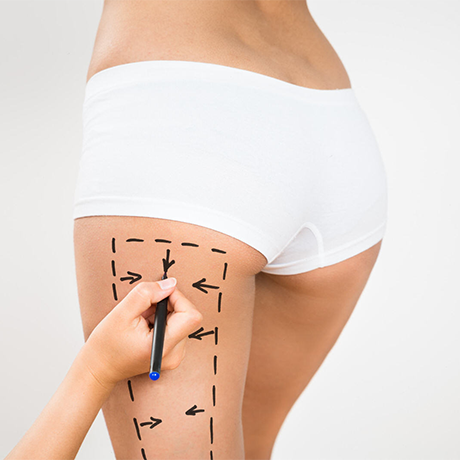
The thigh lift procedure, also known as thighplasty, is a surgical intervention aimed at addressing excess skin and fat deposits on the thighs to improve their contour and appearance. The surgery typically begins with the administration of anesthesia to ensure the patient's comfort throughout the procedure. Once sedated, the surgeon makes carefully planned incisions in strategic locations, often along the inner thigh, groin, or hip crease, depending on the type of thigh lift being performed. Through these incisions, the surgeon removes excess skin and fat to achieve a smoother, more toned thigh contour. In cases where the underlying muscles need tightening, this may also be addressed during the procedure. The remaining skin is then redraped and tightened to create a firmer appearance. Surgical techniques may vary based on the specific goals of the patient and the extent of correction required. After the excess tissue is removed and the desired contour is achieved, the incisions are meticulously closed with sutures. Surgical drains may be inserted to prevent fluid buildup and aid in the healing process. Finally, the treated area is bandaged, and a compression garment may be worn to minimize swelling and support the newly contoured thighs as they heal. Recovery from thigh lift surgery typically involves some swelling, bruising, and discomfort, which can be managed with pain medication and proper post-operative care. Patients are advised to avoid strenuous activities during the initial recovery period and to follow their surgeon's instructions for optimal healing and results.