- [email protected]
- Istanbul / Turkiye
- Call Us : +905321575034

Get a Free Quote
Toll Free Call Center:
0 552 305 46 77
32
Arm Lift


Arm Lift
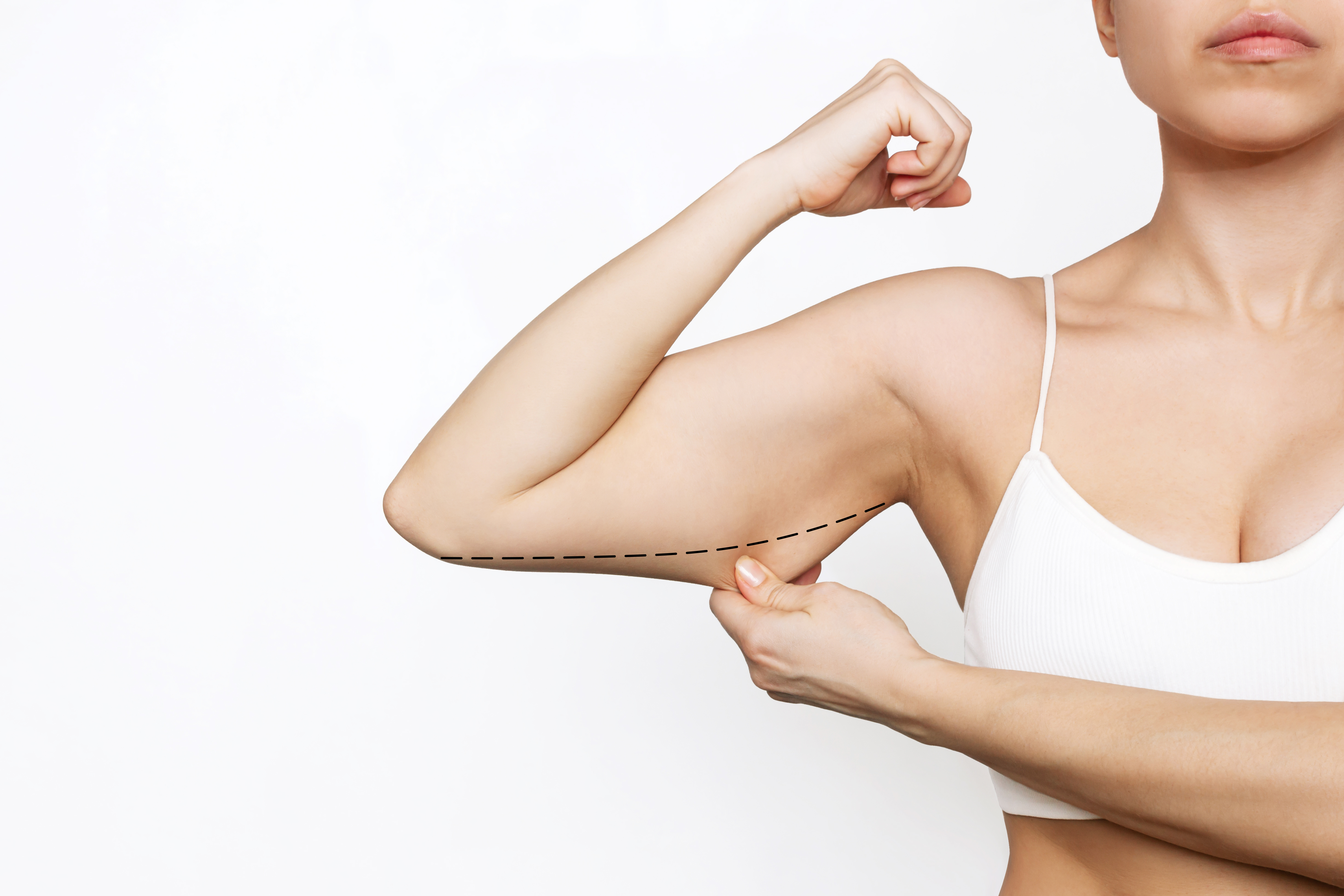
Arm lift surgery is often performed on patients who experience rapid weight loss following sleeve gastrectomy or who develop a bat-wing-like appearance in their arms due to aging and loss of skin elasticity. Many individuals troubled by this condition try to conceal their arms by wearing long-sleeved clothing.
Although muscle tightening can be achieved through sports and exercise, these methods cannot address sagging caused by the loss of skin elasticity.
Why Do Arms Sag?
Arms can sag for several reasons, primarily due to changes in skin elasticity and muscle tone. Here are the main factors:
- Aging: As we age, the skin loses collagen and elastin, which are proteins that keep the skin firm and elastic. This leads to the skin becoming thinner and less able to snap back after being stretched.
- Weight Loss: Significant and rapid weight loss can result in excess, loose skin. When fat is lost, the skin may not contract back to its former tightness, especially if it was stretched over a long period.
- Genetics: Some people are more predisposed to sagging skin due to their genetic makeup. The rate and extent to which the skin loses elasticity can be hereditary.
- Sun Exposure: Prolonged exposure to UV rays from the sun can break down the skin’s connective tissues (collagen and elastin), leading to sagging skin over time.
- Lack of Muscle Tone: The muscles in the arms can become weak and less toned with a sedentary lifestyle, contributing to the appearance of sagging skin. While exercise can improve muscle tone, it cannot fully address loose skin.
- Smoking: Smoking affects blood flow to the skin, reducing its elasticity and speeding up the aging process.
- Hormonal Changes: Changes in hormone levels, particularly during menopause, can affect skin elasticity and contribute to sagging skin.
What is Arm Lift Surgery?
Arm lift surgery, also known as brachioplasty, is a cosmetic procedure designed to improve the appearance of the upper arms by removing excess skin and fat. This surgery is typically sought by individuals who have experienced significant weight loss or have loose, sagging skin on their arms due to aging or a loss of skin elasticity. The procedure involves making incisions, usually from the underarm to the elbow, to remove the excess skin and fat. The underlying tissues are then tightened and reshaped to create a more toned and contoured arm appearance. Arm lift surgery can help enhance the overall proportion and aesthetics of the arms, allowing patients to feel more confident and comfortable in their skin.
Suitable Candidates for Arm Lift
Suitable candidates for an arm lift are typically individuals who have experienced significant weight loss, leading to excess, sagging skin on their upper arms. This procedure is also ideal for those whose arms have a bat-wing-like appearance due to aging and a natural loss of skin elasticity. Ideal candidates are in good overall health, non-smokers, and have a stable weight. They should have realistic expectations about the results of the surgery and be committed to maintaining a healthy lifestyle. Additionally, candidates should not have any medical conditions that could impair healing or increase surgical risks. Overall, the best candidates are those who are looking to improve the contour and appearance of their upper arms when non-surgical methods have proven insufficient.
Arm Lift Procedure
The arm lift procedure, also known as brachioplasty, involves removing excess skin and fat from the upper arms to create a more toned and contoured appearance. The surgery typically begins with the administration of anesthesia to ensure patient comfort. The surgeon then makes an incision, which may extend from the underarm to the elbow, depending on the amount of skin to be removed. Through this incision, excess skin and fat are excised, and the underlying tissues are tightened and reshaped. The remaining skin is then smoothed over the new contour of the arm. Finally, the incisions are closed with sutures, and the arms are bandaged. The entire procedure usually takes several hours, and patients are often required to wear compression garments post-surgery to minimize swelling and support healing.