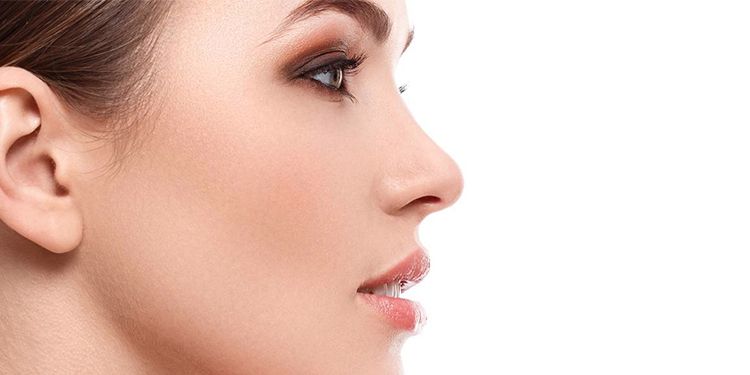

The nose is one of the most defining features of the face, influencing both appearance and facial harmony. For many, rhinoplasty—commonly known as a nose job—offers the opportunity to refine or reshape the nose to better complement their individual features. Whether it’s correcting a bump on the bridge, adjusting the tip, improving symmetry, or addressing breathing difficulties, rhinoplasty is a highly personalized procedure that blends artistry with surgical precision. As one of the most popular cosmetic surgeries worldwide, it can have a profound impact not only on a person’s profile but also on their self-confidence. In this blog, we’ll explore how rhinoplasty works, the different types of techniques available, and what to expect before and after surgery—helping you decide if this transformative procedure is right for you.
Understanding the Rhinoplasty Procedure
Rhinoplasty is a surgical procedure designed to alter the shape, size, or function of the nose, tailored to each patient’s aesthetic desires or medical needs. The surgery can be performed using either an open or closed technique—with open rhinoplasty involving a small incision across the columella (the strip of tissue between the nostrils), allowing for greater visibility and precision, while closed rhinoplasty keeps all incisions hidden inside the nostrils. During the procedure, the surgeon may reshape the nasal bones, cartilage, and soft tissue to achieve the desired outcome, which could include refining a bulbous tip, reducing a dorsal hump, or correcting asymmetry. In functional cases, rhinoplasty may also address issues such as a deviated septum to improve breathing. Typically performed under general anesthesia, the procedure takes 1 to 3 hours, depending on complexity. With meticulous planning and skilled execution, rhinoplasty not only enhances facial harmony but also improves overall nasal function when needed.
Who Makes the Best Candidate for Nose Reshaping?
The best candidates for rhinoplasty are individuals who are in good overall health, have fully developed facial features (typically age 16 and older), and have realistic expectations about what the surgery can achieve. Ideal patients often seek rhinoplasty to correct aesthetic concerns such as a crooked nose, prominent bump, wide nostrils, or an unbalanced nasal tip—but some may also pursue the procedure for functional reasons, like improving airflow due to a deviated septum. Emotional readiness is equally important; candidates should be undergoing the procedure for their own satisfaction, not to meet others’ expectations. A consultation with a qualified plastic surgeon helps determine whether surgical nose reshaping is appropriate, based on facial structure, skin type, and specific goals. Ultimately, the best outcomes are achieved when a patient’s motivation, anatomy, and surgical plan are in harmony.
Post-Operative Care and Recovery Tips
Recovery after rhinoplasty is a critical phase that directly influences the final outcome of the procedure. In the first week, patients typically wear a nasal splint to protect and support the newly shaped nose. Swelling and bruising, especially around the eyes, are common but gradually subside within 1 to 2 weeks. To promote healing, it’s essential to keep the head elevated, avoid blowing the nose, and refrain from strenuous activities or heavy lifting for several weeks. Cold compresses and prescribed pain medications can help manage discomfort in the early days. Patients should also avoid wearing glasses that rest on the nose and limit sun exposure to prevent skin discoloration. While most people feel comfortable returning to work or school within 7–10 days, the nose continues to refine over several months, with subtle changes occurring up to a year. Following the surgeon’s instructions closely and attending all follow-up appointments ensures a smoother recovery and optimal aesthetic results.
Rhinoplasty is more than just a cosmetic procedure—it’s a deeply personal journey toward facial balance, improved function, and renewed self-confidence. Whether you’re looking to refine the shape of your nose or correct a breathing issue, a well-planned and expertly performed rhinoplasty can offer life-changing results. With realistic expectations, careful preparation, and a commitment to post-operative care, patients can achieve a natural-looking enhancement that harmonizes beautifully with their individual features. Choosing a skilled and experienced surgeon is key to ensuring a safe, satisfying, and transformative outcome.