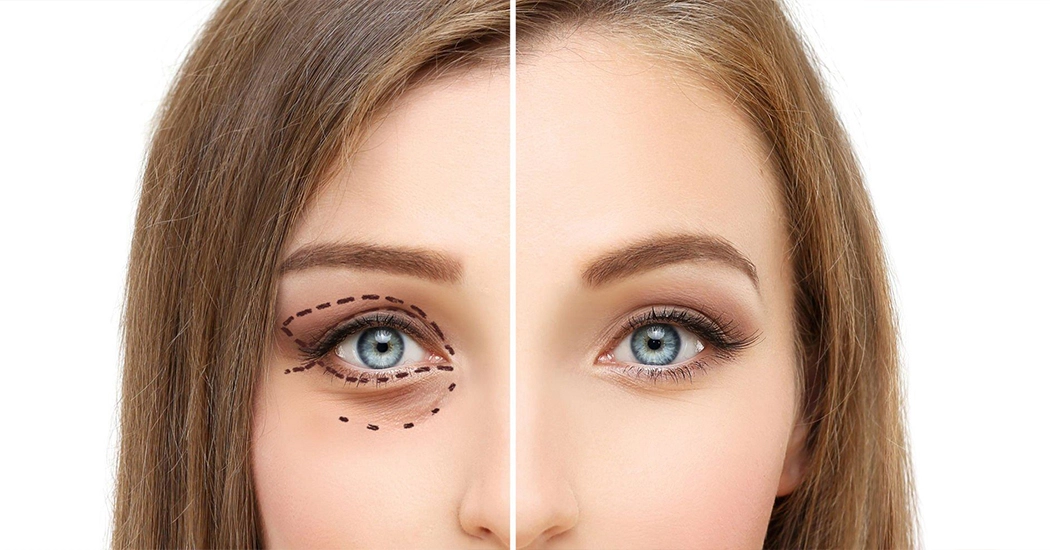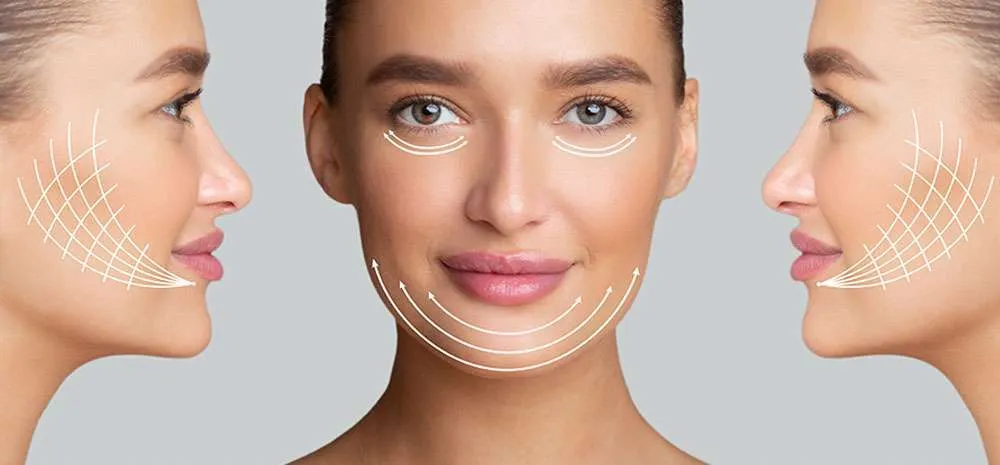

Aging is inevitable — but looking aged doesn’t have to be. For those who want to lift and rejuvenate their facial features without going under the knife, the Thread Lift offers a revolutionary, non-surgical alternative. Using dissolvable threads placed beneath the skin, this minimally invasive treatment tightens sagging areas, defines facial contours, and restores a more youthful appearance — all with minimal downtime. In this blog post as Hasan Büyükdoğan, curious about how it works, who it’s for, and what kind of results you can expect? Let’s dive into everything you need to know about this modern facelift solution.
How Does the Thread Lift Procedure Work?
The Thread Lift procedure involves the strategic placement of biodegradable, medical-grade threads beneath the skin’s surface to physically lift and support sagging facial tissues. These threads, often made of polydioxanone (PDO) or similar materials, are inserted using fine needles or cannulas and gently pulled to reposition the skin for a firmer, more sculpted appearance. Once in place, the threads not only provide an immediate lifting effect but also stimulate the body’s natural collagen production over time, enhancing skin elasticity and texture. The treatment typically takes less than an hour, requires only local anesthesia, and allows patients to return to their normal routines shortly afterward.
Advantages and Disadvantages of Thread Lifting
Thread lifting has gained significant popularity in recent years as a minimally invasive alternative to traditional facelifts — and for good reason. One of its most attractive advantages is the immediate improvement in facial contour and skin tightness, which becomes visible right after the procedure. Unlike surgical options that require general anesthesia, incisions, and extended recovery periods, a thread lift typically takes less than an hour and is performed under local anesthesia, allowing patients to resume most of their normal activities within a day or two. The use of absorbable threads not only lifts sagging skin but also stimulates natural collagen production, which continues to enhance skin firmness and elasticity over the following months. This collagen boost contributes to a more youthful, refreshed look that develops gradually and appears natural.
Another advantage is the low risk profile. Since there are no large incisions, the risk of scarring, infection, or nerve damage is significantly reduced. Additionally, the cost of thread lifting is considerably lower than that of surgical facelifts, making it more accessible to a broader group of patients. For individuals in their 30s to 50s who are beginning to notice signs of aging — such as mild to moderate skin laxity in the cheeks, jawline, or neck — thread lifting can offer a noticeable enhancement without drastic changes.
However, thread lifting is not without its drawbacks. The results, while immediate, are not as dramatic or long-lasting as those achieved through surgical facelifts. Typically, the effects last anywhere from 12 to 18 months, after which the threads are naturally absorbed by the body. Some patients may require maintenance sessions to sustain the lift over time. Moreover, the procedure is not suitable for those with severe skin sagging or very thin, loose skin, as the threads may not provide sufficient support.
Side effects, while usually mild, can include bruising, swelling, tenderness, or a slight puckering of the skin where the threads were placed. In rare cases, threads can become visible under the skin or shift from their original placement, necessitating correction. For best results, it is crucial to consult with an experienced practitioner who understands facial anatomy and uses high-quality materials.
In summary, thread lifting offers a promising middle ground between skincare and surgery. It’s a quick, safe, and effective way to rejuvenate the face, especially for those who want subtle yet noticeable improvements without a lengthy recovery or permanent alterations. However, understanding both its benefits and limitations is key to determining whether it’s the right option for your aesthetic goals.
Who Is a Good Candidate for a Thread Lift?
A good candidate for a thread lift is typically someone in their late 30s to early 50s who is experiencing mild to moderate skin sagging, particularly around the cheeks, jawline, neck, or brows. It’s ideal for individuals who want subtle, natural-looking results without the downtime or commitment of surgery. Candidates should be in good overall health, have realistic expectations, and prefer gradual rejuvenation over dramatic changes. Those with more severe skin laxity may benefit more from a traditional facelift or a combination of treatments.
In conclusion, thread lifting offers an excellent non-surgical alternative for individuals seeking a refreshed, youthful appearance without the risks and recovery time associated with traditional facelifts. With immediate results, collagen-boosting benefits, and minimal downtime, it has become a go-to option for many looking to address early signs of aging. While it’s not a one-size-fits-all solution and may not be suitable for those with advanced skin laxity, it provides a valuable middle ground between cosmetic skincare and invasive surgery. If you’re considering a thread lift, consult with a qualified specialist to determine whether this treatment aligns with your aesthetic goals and skin condition.