
Liposuction is one of the most popular cosmetic procedures for enhancing body contours and achieving a more sculpted appearance. Whether it’s stubborn fat that resists diet and exercise or areas of the body that have disproportionate fat distribution, liposuction offers a solution to help individuals achieve the smooth, body contours they desire. This procedure involves the removal of excess fat through a minimally invasive technique, allowing for the reshaping of specific areas such as the abdomen, thighs, arms, or chin. Liposuction can significantly improve body proportions, boosting confidence and enhancing overall body aesthetics. In this guide, we’ll explore how liposuction works, the benefits it offers, and what you can expect before, during, and after the procedure to help you make an informed decision about whether it’s the right option for you.
The Process of Liposuction and Areas That Can Be Treated
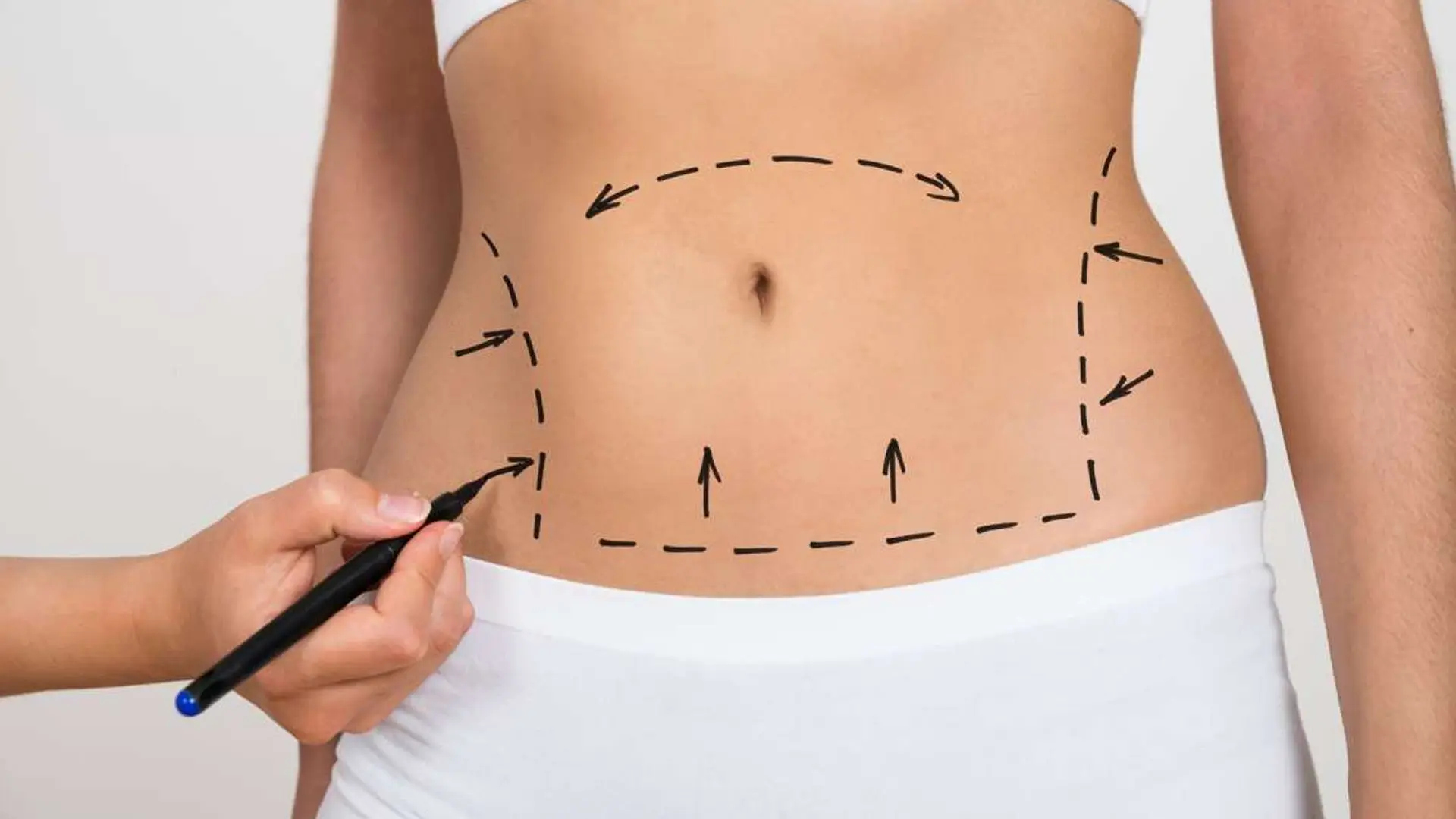
Liposuction is a surgical procedure designed to remove stubborn fat deposits and reshape specific areas of the body. The process typically begins with a consultation where the surgeon evaluates the patient’s goals, medical history, and the areas to be treated. During the procedure, small incisions are made in discreet locations, and a thin tube called a cannula is inserted to suction out the excess fat. The fat is then carefully broken down and removed, allowing the surgeon to contour the treated area. Liposuction can be performed using different techniques, such as tumescent liposuction, laser-assisted liposuction, or ultrasound-assisted liposuction, depending on the patient’s needs. Common areas that can be treated include the abdomen, thighs, hips, arms, back, chin, and neck. While liposuction is not a weight-loss solution, it is highly effective in targeting localized fat that resists diet and exercise, improving body proportions and achieving a more defined, toned look.
Long-term Effects and Maintaining Results
The long-term effects of liposuction can be highly satisfying, as the procedure permanently removes fat cells from the treated areas. However, maintaining the results requires a commitment to a healthy lifestyle. While liposuction reshapes the body, it does not prevent future weight gain. If a person’s weight increases after the procedure, the remaining fat cells can expand, which may lead to the appearance of new fat deposits in untreated areas. To preserve the results, it is essential to follow a balanced diet, engage in regular physical activity, and maintain a healthy weight. Additionally, skin elasticity plays a key role in how the body contours after liposuction; patients with good skin tone generally experience smoother and more defined results. By adopting healthy habits and staying active, individuals can enjoy the benefits of their liposuction procedure for many years, maintaining a sculpted and proportionate appearance.
Alternative Body Contours Options
In addition to liposuction, there are several alternative body contouring options that can help individuals achieve a more toned and sculpted appearance. Non-invasive treatments such as CoolSculpting and SculpSure use advanced technology to target and freeze or heat fat cells, which are then naturally eliminated by the body over time. These methods require little to no downtime and are ideal for those looking for subtle body contouring without surgery. For those seeking skin tightening along with fat reduction, procedures like radiofrequency (RF) treatments, ultrasound therapy, and laser treatments can stimulate collagen production, improving skin firmness and elasticity. Additionally, lipolaser and mesotherapy are other minimally invasive options that involve injecting fat-dissolving agents into targeted areas. While these alternatives may not provide the same dramatic results as traditional liposuction, they are suitable for individuals with less significant fat deposits or those looking for gradual improvements without the need for surgery. Choosing the right body contouring method depends on individual goals, the amount of fat to be treated, and the desired level of invasiveness, so it’s important to consult with a qualified practitioner to determine the best option for your needs.