
Facelift surgery, or rhytidectomy, has long been a popular option for those seeking a more youthful, rejuvenated appearance. By tightening the skin and underlying muscles, a facelift can smooth out deep wrinkles, sagging, and loss of volume, delivering long-lasting results that address the visible signs of aging. While the procedure has proven to be effective for many, it’s important to understand both the benefits and risks associated with facelift surgery before deciding if it’s the right choice. In this article, we’ll explore the transformative potential of a facelift, discuss what to expect during the process, and highlight the possible risks involved, so you can make an informed decision about your aesthetic goals.
How facelift surgery can rejuvenate your appearance
How Facelift Surgery Can Rejuvenate Your Appearance
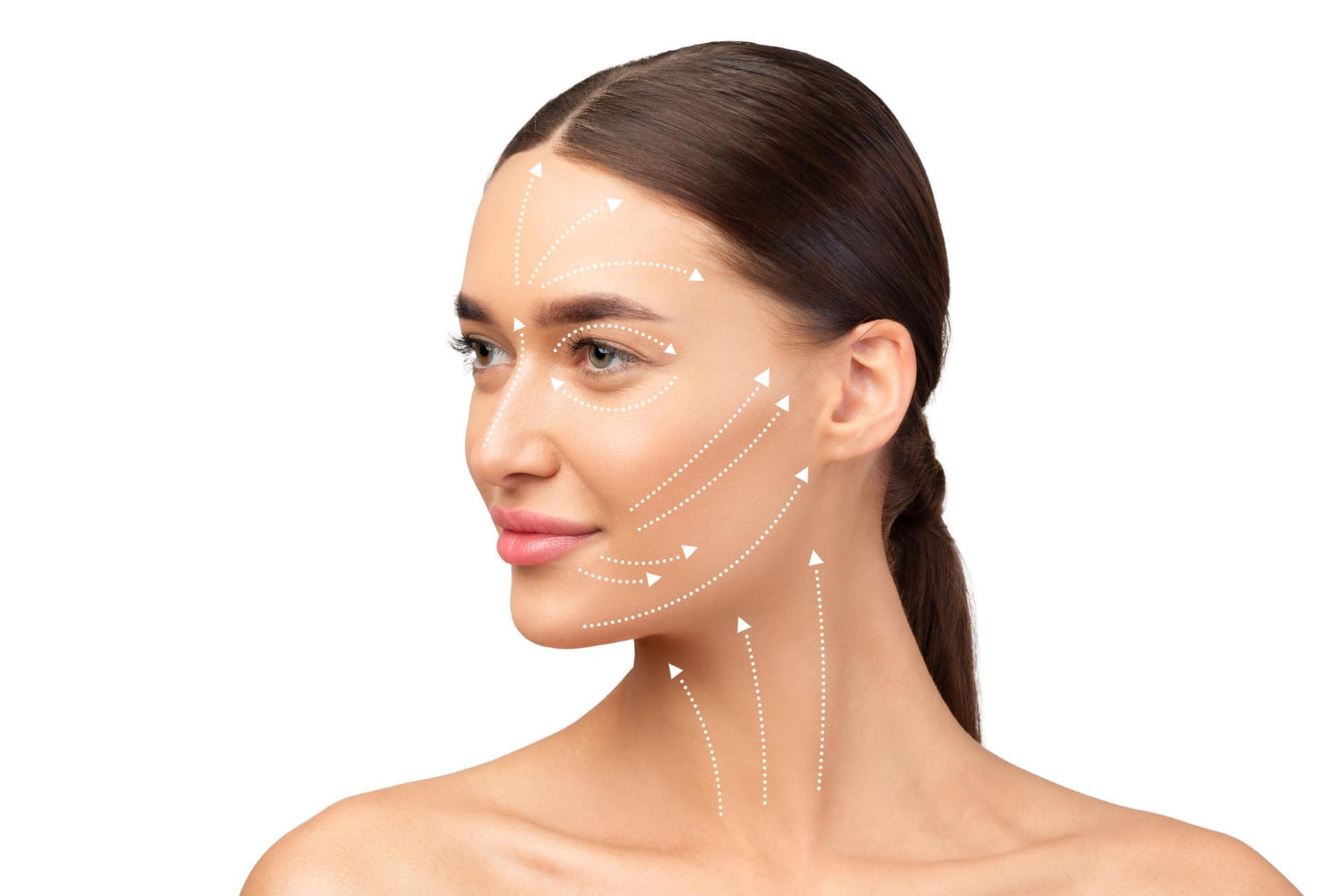
Facelift surgery can significantly rejuvenate your appearance by addressing some of the most common signs of aging, such as sagging skin, deep wrinkles, and loss of facial volume. The procedure involves tightening the underlying muscles and removing excess skin, which helps restore a firmer, more youthful contour to the face and neck. A facelift can smooth out jowls, lift sagging cheeks, and reduce the appearance of nasolabial folds, giving you a refreshed, more vibrant look. Additionally, it can create a more defined jawline and improve overall facial symmetry. Unlike non-invasive treatments, a facelift offers long-lasting results, making it an appealing option for those looking for a dramatic, yet natural-looking transformation that can turn back the clock on their appearance.
Possible Risks and Complications of Facelift Surgery
While facelift surgery can deliver transformative results, it is not without risks and potential complications. Some of the most common risks include infection, scarring, and bleeding, which can occur during or after the procedure. In some cases, patients may experience nerve damage, leading to temporary or, rarely, permanent facial weakness or numbness. Additionally, there may be issues with skin healing, such as poor wound closure or delayed recovery, which can result in noticeable scars or asymmetry. Other potential complications include hematoma (a collection of blood under the skin) and adverse reactions to anesthesia. It’s crucial for patients to thoroughly discuss these risks with their surgeon beforehand and follow all post-operative instructions to minimize complications and ensure the best possible outcome.
Expected Results and Recovery Timeline
The results of facelift surgery are typically visible immediately after the swelling subsides, though it may take several weeks for the full effects to become apparent. The procedure can significantly improve facial contour by lifting sagging skin, smoothing wrinkles, and restoring a more youthful appearance. While the results are long-lasting, they are not permanent, and natural aging will continue to occur over time. Recovery from facelift surgery varies for each individual, but most patients can expect some swelling, bruising, and discomfort during the first week. After about two weeks, many individuals feel comfortable returning to work and light activities, though strenuous exercise and heavy lifting should be avoided for up to six weeks. Full recovery, including the fading of scars and the settling of facial features, typically takes three to six months. Following post-operative care instructions and attending follow-up appointments will help ensure optimal results and a smooth recovery process.
Facelift surgery can be a life-changing procedure for those seeking to restore a youthful, rejuvenated appearance by addressing signs of aging such as sagging skin, deep wrinkles, and loss of facial volume. While the results can be dramatic and long-lasting, it’s essential to carefully consider the risks, recovery process, and potential complications before making a decision. With proper care and a skilled surgeon, a facelift can offer significant improvement in both appearance and self-confidence. By understanding the procedure and setting realistic expectations, patients can enjoy the benefits of a more youthful and refreshed look that can last for many years.