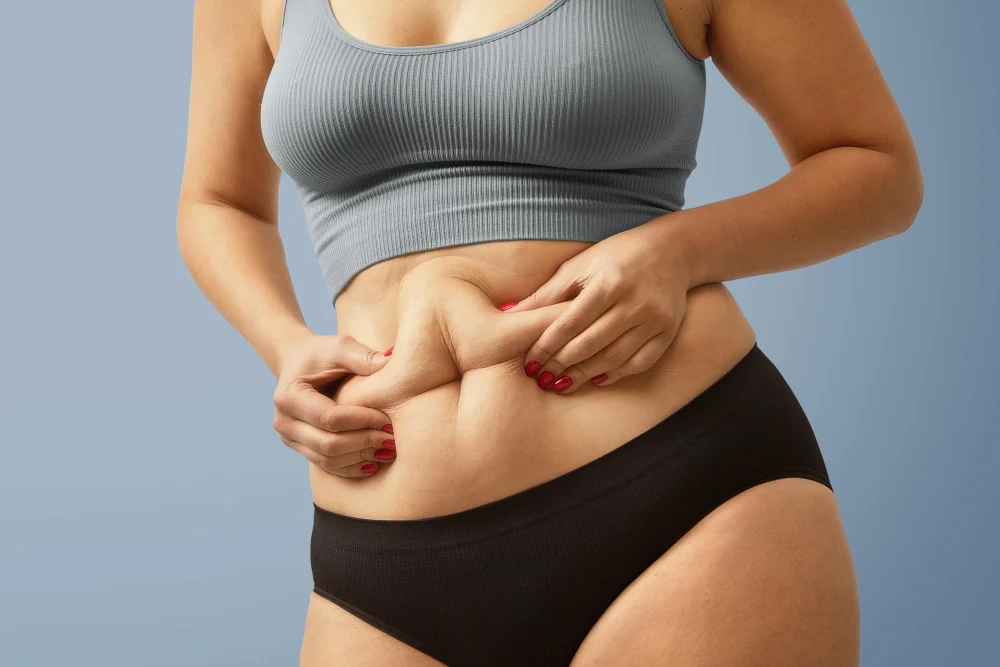

Liposuction is a popular cosmetic procedure designed to remove excess fat from specific areas of the body, but can it truly “melt” belly fat? Many people turn to liposuction when diet and exercise alone aren’t yielding the desired results in areas like the abdomen. While liposuction can effectively remove stubborn fat cells, it’s important to understand that it doesn’t melt fat in the traditional sense. Instead, it physically suctions out fat from targeted areas, offering a more contoured and toned appearance. However, liposuction is not a weight-loss solution and should be seen as a body sculpting tool rather than a way to eliminate large amounts of fat. If you’re considering liposuction to tackle belly fat, it’s essential to have realistic expectations and maintain a healthy lifestyle post-surgery to achieve long-lasting results.
What is Liposuction and How Does It Work?
Liposuction is a cosmetic surgery procedure designed to remove excess fat from specific areas of the body, helping to contour and shape the silhouette. During the procedure, a surgeon makes small incisions in the targeted area and inserts a thin tube, called a cannula, which is used to suction out fat cells. The process typically involves the use of a local anesthetic or general anesthesia to ensure the patient’s comfort. Liposuction works by physically removing fat, not by melting it, which allows for more precise sculpting of areas such as the abdomen, thighs, arms, or chin. It’s important to note that liposuction is not intended as a weight-loss solution but rather as a method for refining body contours, particularly in areas where fat is resistant to diet and exercise.
Targeting Belly Fat with Liposuction: Expectations and Realities
Targeting belly fat with liposuction can offer significant aesthetic improvements, but it’s important to have realistic expectations about the results. Liposuction effectively removes localized fat deposits from the abdominal area, creating a smoother and more toned appearance. However, the procedure is not a solution for overall weight loss or a substitute for a healthy lifestyle. It works best on individuals who are already near their ideal weight but struggle with stubborn fat areas that don’t respond to diet or exercise. While liposuction can result in a flatter abdomen, the final outcome depends on factors like skin elasticity and the amount of fat removed. It’s crucial to understand that liposuction doesn’t prevent future fat accumulation, so maintaining a balanced diet and regular exercise routine is key to preserving the results long-term.
What to Expect in the Belly Area After Liposuction?
After liposuction in the belly area, patients can expect some immediate changes, as well as a gradual recovery process. In the first few days, swelling, bruising, and mild discomfort are common, and these symptoms typically subside within a few weeks. The treated area may appear more contoured, with visible improvements in the abdominal shape. However, the final results may take several months to fully reveal themselves, as swelling continues to diminish and the skin tightens over time. It’s important to follow post-operative instructions, including wearing compression garments to support healing and minimize swelling. While liposuction can provide a flatter and more sculpted belly, the outcome also depends on maintaining a stable weight and healthy lifestyle. Full recovery typically occurs in 2 to 3 months, after which the enhanced abdominal shape will be more apparent.
Other Fat Burning Methods that can be Applied with Liposuction
While liposuction is an effective way to remove localized fat, it can be complemented with other fat-burning methods for more comprehensive results. One such method is cryolipolysis, commonly known as fat freezing, which targets stubborn fat cells by freezing them, causing them to break down naturally. Another popular option is laser lipolysis, which uses laser energy to break down fat cells before they are removed, offering a less invasive alternative to traditional liposuction. Additionally, combining liposuction with a healthy diet and regular exercise can help maintain results and prevent fat from returning in other areas. Some patients also opt for radiofrequency treatments, which use heat to stimulate collagen production, tightening the skin and improving overall body contouring. Together, these methods can enhance the effects of liposuction and help achieve a more toned and sculpted appearance.