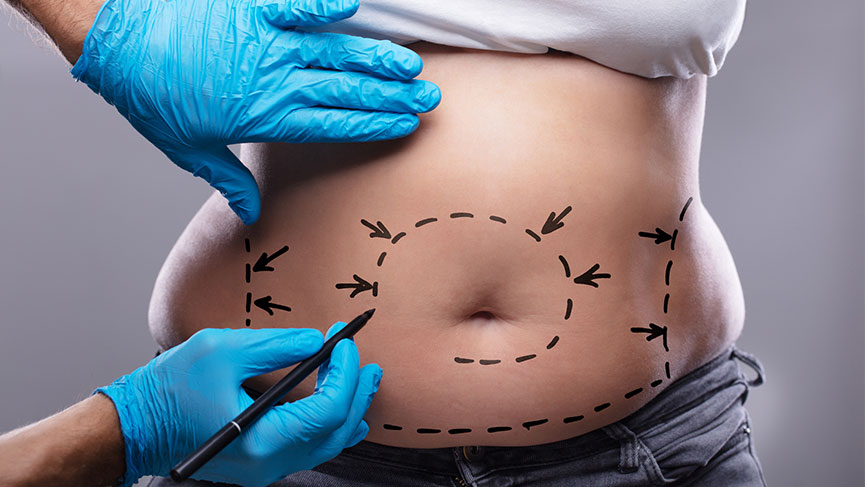

Liposuction is one of the most popular cosmetic procedures for body contouring, helping individuals achieve a smoother, more sculpted appearance by removing excess fat. However, one common concern that many patients have is whether skin sagging will occur after the procedure. While liposuction effectively removes fat, it doesn’t always address skin elasticity, and this can lead to varying outcomes in terms of skin tightness.
In this blog post, we will explore the relationship between liposuction and skin sagging, factors that affect skin elasticity, and what you can do to minimize the risk of loose skin after your procedure. By understanding the science behind liposuction and its effects on the skin, you can make a more informed decision about whether this procedure is right for you.
What is Liposuction? Process and Expectations
Liposuction is a popular cosmetic surgery designed to remove excess fat deposits from various areas of the body, such as the abdomen, thighs, arms, and chin, to achieve a more contoured and toned appearance. The process involves a surgeon making small incisions in the targeted areas, through which a suction device is used to remove fat cells. It is typically performed under local anesthesia with sedation or general anesthesia, depending on the extent of the procedure. Patients can expect some swelling, bruising, and discomfort in the days following the surgery, but these side effects usually subside within a few weeks. While liposuction provides permanent fat removal, maintaining results requires a healthy lifestyle, as remaining fat cells can still enlarge with weight gain. It’s important to have realistic expectations and understand that liposuction is not a weight-loss method but rather a body contouring procedure.
Causes of Sagging Skin: Effects After Liposuction
Sagging skin can occur after liposuction due to several factors. When fat is removed, the skin’s ability to retract and conform to the new contours depends on its elasticity. Aging, genetics, and lifestyle habits like smoking or excessive sun exposure can reduce skin elasticity, increasing the likelihood of sagging. Additionally, significant fat removal or pre-existing loose skin may result in less optimal skin tightening. Maintaining a healthy lifestyle, staying hydrated, and following post-operative care instructions can support better skin adaptation. In some cases, combining liposuction with skin-tightening procedures may be recommended to enhance results.
Methods That Can Be Applied to Prevent Sagging
Preventing sagging skin involves proactive measures both before and after procedures like liposuction. Staying physically active and maintaining a stable weight helps preserve skin elasticity over time. Incorporating a skincare routine with hydrating and collagen-stimulating products can support skin firmness. Wearing surgeon-recommended compression garments after treatments aids in contouring and reducing excess skin. Additionally, advanced techniques such as laser or radiofrequency therapy can boost collagen production, tightening the skin. For individuals with significant skin laxity, combining cosmetic procedures like skin tightening with fat removal may deliver the best results.
Recovery After Liposuction and Skin Care Tips
Recovery after liposuction typically involves a period of rest and careful attention to post-operative care to ensure optimal results. The first few days may include swelling, bruising, and some discomfort, which can be managed with prescribed pain medications. It’s essential to wear compression garments as instructed, as they help reduce swelling and assist in shaping the skin to its new contours. Light activity can be resumed after a few days, but strenuous exercise should be avoided for at least a few weeks. During recovery, proper skin care is vital; moisturizing the skin regularly can help prevent dryness and support healing. Hydration is also key to maintaining skin elasticity. To further promote skin firmness and avoid sagging, treatments like radiofrequency or massage therapy may be recommended by your surgeon. Following these guidelines ensures a smoother recovery and the best aesthetic outcome after liposuction.