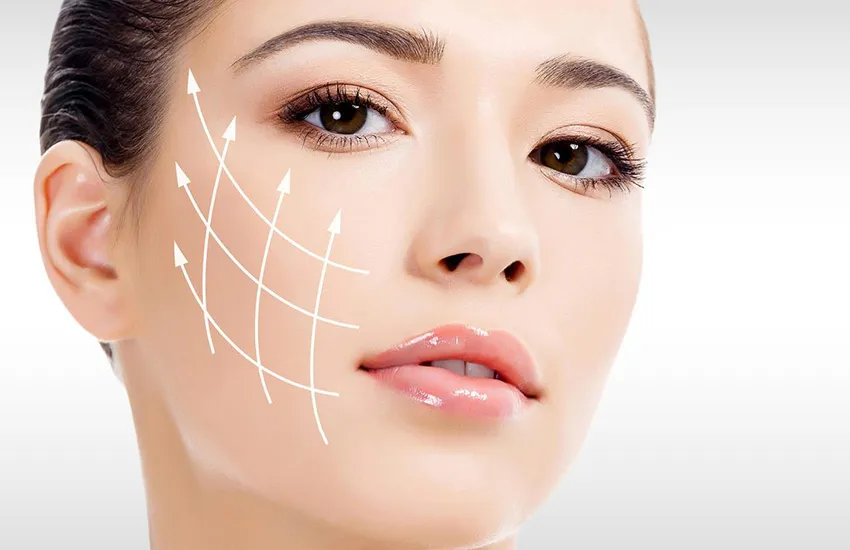

Facial contouring with filling and Botox combinations has become one of the most popular non-surgical aesthetic treatments for those seeking a more youthful and sculpted appearance. By strategically using dermal fillers and Botox together, patients can achieve enhanced facial contours, smoother skin, and a refreshed look. Fillers are typically used to add volume to areas such as the cheeks, jawline, and under the eyes, addressing hollowness and sagging. Botox, on the other hand, targets dynamic wrinkles by relaxing the muscles that cause facial expressions, such as frown lines and crow’s feet. When combined, these treatments not only smooth out wrinkles but also enhance the natural structure of the face, creating a harmonious balance. This combination offers a versatile solution, providing results that are both immediate and long-lasting with minimal downtime, making it an ideal choice for those looking for subtle yet effective facial rejuvenation.
Reshaping Facial Contours with the Combined Use of Fillers and Botox
Reshaping facial contours with the combined use of fillers and Botox has become a highly effective method for achieving a more youthful, sculpted appearance without the need for surgery. Dermal fillers are used to restore lost volume, enhance cheekbones, define the jawline, and smooth out deep lines, providing a fuller, more lifted look. Botox, on the other hand, works by relaxing the facial muscles that cause dynamic wrinkles, such as forehead lines, crow’s feet, and frown lines, resulting in a smoother, more refreshed facial expression. When used together, these treatments complement each other by not only reducing wrinkles but also enhancing the natural structure of the face. This combination allows for a more harmonious and balanced appearance, offering noticeable improvements in facial symmetry with minimal downtime and a natural-looking outcome.
Ideal Dosage and Application Techniques for Natural Results
Achieving natural results with facial fillers and Botox largely depends on the ideal dosage and application techniques used by the practitioner. For dermal fillers, a conservative approach is often best, with small, gradual injections to restore volume and contour the face without overfilling or creating an artificial look. The ideal dosage varies depending on the area being treated, but using just enough filler to enhance features subtly is key to maintaining a natural appearance. Similarly, Botox should be administered carefully to avoid overly freezing facial expressions. The ideal dosage for Botox depends on the severity of the wrinkles and the specific muscles being targeted, but it is essential to use the right amount to soften lines without eliminating all movement. Precision in application is critical to ensure that both treatments complement the natural structure of the face, enhancing features while maintaining expression and avoiding an overdone or “frozen” look. A skilled professional will tailor the dosage and technique to each individual’s unique facial anatomy, ensuring the most natural and balanced outcome.
Methods of Preserving the Natural Movements of the Facial Muscles After the Application
Preserving the natural movements of the facial muscles after the application of Botox and fillers is crucial for achieving a subtle, youthful look without compromising facial expression. One of the most effective methods is to use conservative dosing during the application. For Botox, this means targeting only the necessary muscles with precise injections to relax them moderately, allowing for a natural range of motion. It’s important to avoid overuse of Botox, as excessive amounts can lead to a “frozen” appearance. Similarly, with dermal fillers, careful placement in the right areas—such as the cheeks, jawline, and under-eye region—ensures volume restoration without altering the natural movement of the face. A skilled practitioner will also pay attention to the balance between various facial muscles to maintain harmony and prevent stiffness. Additionally, proper aftercare is essential. Patients are advised to avoid massaging or pressing on the treated areas, as this can distort the results and interfere with the natural movement of the muscles. By focusing on precision, subtlety, and appropriate techniques, the natural expressions and muscle movements can be preserved, ensuring that the results look fresh and natural.