
Living with lymphedema can present a unique set of challenges, but understanding the condition and adopting healthy lifestyle choices can significantly improve your quality of life. Lymphedema occurs when lymph fluid accumulates in the tissues, often resulting in swelling, particularly in the arms or legs. While the condition can be both physically and emotionally taxing, early diagnosis and proactive management strategies can empower individuals to lead fulfilling lives. In this blog, we will explore the symptoms of lymphedema, the vital role of nutrition, effective exercise routines, and practical tips for developing healthy habits. By equipping yourself with knowledge and tools, you can take charge of your health and navigate the complexities of lymphedema with confidence and resilience. Join us as we delve into the essential aspects of living well with lymphedema and embrace a healthier lifestyle!
Symptoms of Lymphedema: The Importance of Early Diagnosis for a Healthy Life
Recognizing the symptoms of lymphedema is crucial for early diagnosis and effective management, which can greatly impact your overall quality of life. Common symptoms include noticeable swelling in the affected limbs, which may feel heavy or tight, as well as discomfort or pain that can hinder daily activities. Individuals might also experience restricted movement due to the swelling, making simple tasks more challenging. Skin changes, such as thickening or hardening, can occur as the condition progresses, increasing the risk of infections. Early diagnosis is essential because it allows for timely intervention, which can help prevent the condition from worsening and reduce the likelihood of complications. If you notice any of these symptoms, it’s important to consult a healthcare professional promptly. By addressing lymphedema early on, you can implement effective management strategies that will enhance your health and well-being, allowing you to maintain an active and fulfilling lifestyle.
The Role of Nutrition in Lymphedema Management: The Right Foods and Tips
Nutrition plays a vital role in managing lymphedema, as the right dietary choices can help reduce inflammation, support lymphatic function, and improve overall health. A balanced diet rich in whole foods is essential; prioritizing fruits, vegetables, whole grains, and lean proteins can provide the nutrients necessary for optimal body function. Staying well-hydrated is particularly important, as adequate fluid intake helps the body flush out toxins and may assist in minimizing fluid retention. Incorporating anti-inflammatory foods, such as fatty fish rich in omega-3 fatty acids, nuts, seeds, and colorful fruits and vegetables, can further aid in combating inflammation associated with lymphedema. Additionally, reducing sodium intake is crucial, as high salt consumption can lead to increased fluid retention. It’s also beneficial to focus on maintaining a healthy weight, as excess weight can exacerbate symptoms. Working with a registered dietitian can provide tailored nutritional advice and meal plans that align with individual health needs, empowering those with lymphedema to take control of their diet and support their management strategies effectively. By making informed dietary choices, individuals can improve their quality of life and enhance their ability to manage lymphedema symptoms.
Exercise in Lymphedema Treatment: Which Activities are Effective?
Exercise is a key component in the treatment and management of lymphedema, as physical activity promotes lymphatic flow and helps reduce swelling in affected areas. Engaging in low-impact exercises, such as walking or cycling, can enhance circulation without putting undue stress on the body. Swimming is particularly effective, as the buoyancy of water reduces pressure on joints while providing resistance that strengthens muscles and encourages lymphatic drainage. Incorporating light strength training with resistance bands or light weights can also be beneficial, as it helps build muscle strength and improve overall function. Activities like yoga and stretching are excellent for enhancing flexibility and promoting relaxation, which can alleviate stress—a known trigger for lymphedema flare-ups. However, it’s essential for individuals with lymphedema to consult with a healthcare provider or a physical therapist before starting any new exercise regimen. This ensures that the chosen activities are safe and appropriate for their specific condition, ultimately helping them to achieve better health outcomes and an improved quality of life. By integrating regular exercise into their routine, individuals can empower themselves to manage lymphedema more effectively and maintain an active lifestyle.
Developing Healthy Habits While Living with Lymphedema
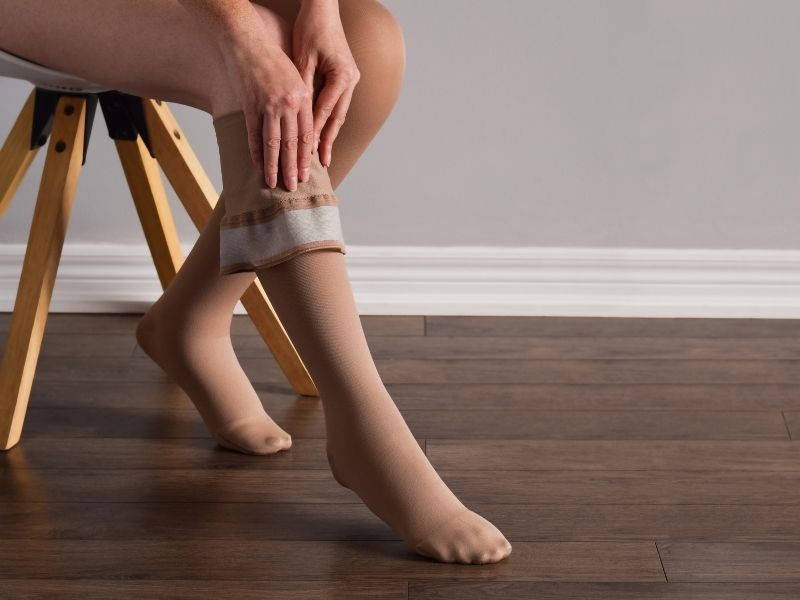
Developing healthy habits is crucial for effectively managing lymphedema and enhancing overall well-being. One of the most important practices is regular monitoring of the affected limbs, as keeping track of any changes can help identify potential complications early on. Wearing compression garments, such as sleeves or stockings, as recommended by healthcare professionals can significantly aid in controlling swelling and improving lymphatic circulation. Additionally, maintaining good skin care is vital; moisturizing the skin and protecting it from injuries can help prevent infections, which individuals with lymphedema are more susceptible to.
For some individuals, liposuction may be considered as an option to remove excess fatty tissue, which can help alleviate symptoms and improve limb appearance. Incorporating stress management techniques, such as mindfulness, meditation, or gentle yoga, can also play a pivotal role in reducing flare-ups, as stress is known to exacerbate symptoms. Establishing a routine that includes balanced nutrition and regular exercise further supports lymphedema management. By committing to these healthy habits, individuals can take proactive steps toward better health, fostering resilience and improving their quality of life while living with lymphedema.