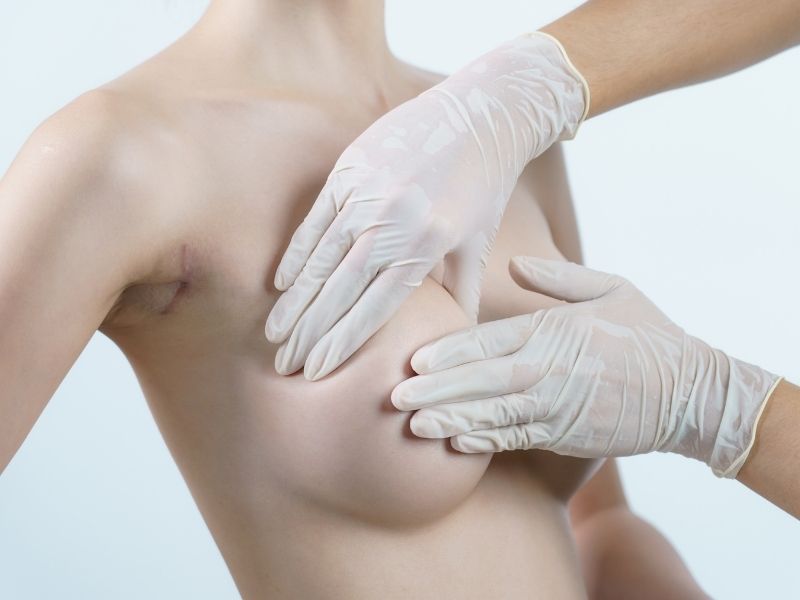

Tuberous breast deformity, a developmental condition that affects breast shape and size, often leads to concerns about aesthetics and functionality. Understanding this condition, its symptoms, causes, and treatment options is crucial for those affected and their families. In this blog, we will delve into the intricacies of tuberous breast deformity, providing comprehensive insights.
What is Tuberous Breast Deformity? Definition and General Information
Tuberous breast deformity, commonly referred to as tuberous breasts, is characterized by a narrow base of the breast with a prominent areola and an abnormal shape. This condition occurs during breast development and is not merely a cosmetic issue; it can significantly impact a person’s self-esteem and body image. Individuals with tuberous breasts often notice that their breasts may appear elongated, with a constricted base that gives a “tube-like” appearance. This condition can vary in severity from person to person, and it is essential to recognize that tuberous breast deformity is not just a matter of size; it involves specific structural changes in breast tissue. Tuberous breasts can affect one or both breasts, and asymmetry is common. It is important to note that this condition is believed to be associated with genetic factors and changes in collagen metabolism, affecting the overall development of breast tissue.
Symptoms of Tuberous Breast Deformity: Signs to Watch Out For
Recognizing the symptoms of tuberous breast deformity is vital for those who may be affected. Common signs include:
• Narrow Breast Base: The breast appears to have a significantly narrower base compared to the fullness of the upper pole.
• Prominent Areola: The areola may be enlarged, giving the appearance of a “puffed” or protruding look.
• Asymmetry: There may be a noticeable difference in size or shape between the two breasts.
• Skin Changes: Some individuals might experience changes in skin texture or elasticity around the breast area.
• Breast Shape: The overall shape of the breast may resemble a tube or cone, which can lead to emotional distress regarding appearance.
If you notice these symptoms, consulting a medical professional can provide clarity and options for management.
Causes of Tuberous Breast Deformity: Risk Factors and Effects
The exact cause of tuberous breast deformity remains unclear, but several factors are believed to contribute to its development:
• Genetic Factors: Family history may play a role, as tuberous breasts can sometimes be observed in multiple family members. Genetic predisposition may influence breast tissue development.
• Hormonal Imbalances: Hormonal fluctuations during puberty or pregnancy can affect breast development and contribute to tuberous breast deformity.
• Collagen Metabolism Issues: Research suggests that differences in collagen metabolism may lead to abnormal breast tissue growth and structural changes.
Risk Factors
While tuberous breast deformity can affect anyone, certain risk factors may increase the likelihood of developing this condition:
• Family History: A genetic link can predispose individuals to tuberous breasts.
• Hormonal Disorders: Conditions that affect hormone levels might contribute to breast development issues.
• Age: While tuberous breast deformity typically develops during adolescence, it may become more apparent after significant hormonal changes, such as pregnancy or menopause.
Understanding these factors can help individuals assess their risk and seek early intervention if necessary.
Tuberous Breast Deformity Treatment Methods: What Options Are Available?
Fortunately, various treatment options are available for individuals with tuberous breast deformity, depending on the severity of the condition and personal preferences. Here are some common methods:
Surgical Options:
• Breast Augmentation: Implant placement can enhance the volume and improve the shape of the breasts, providing a more balanced appearance.
• Tissue Expansion: This method involves gradually stretching the skin and tissue to create a more natural breast shape over time.
• Reduction of Areola Size: If the areola is excessively enlarged, surgical reduction can help achieve a more proportionate look.
Non-Surgical Options:
• Fat Grafting: Transferring fat from other body areas to the breast can improve volume and contour without the need for implants.
• Hormonal Therapy: In some cases, hormonal treatments may be recommended to address underlying hormonal imbalances that could contribute to breast development issues.
Psychological Support:
• Counseling: Many individuals with tuberous breast deformity experience body image issues. Professional counseling or support groups can provide emotional support and coping strategies.
Physical Therapy:
• For some, physical therapy may help improve posture and body awareness, contributing to better self-esteem and comfort.
Tuberous breast deformity is a complex condition that impacts not only the physical aspects of breast development but also emotional well-being. Recognizing the symptoms and understanding the underlying causes is essential for individuals affected by this condition. Thankfully, various treatment options are available to address the physical concerns associated with tuberous breast deformity, including breast augmentation, allowing individuals to regain confidence in their bodies. If you suspect you may have tuberous breasts, consult with a healthcare provider to explore your options and take the first step toward improvement.