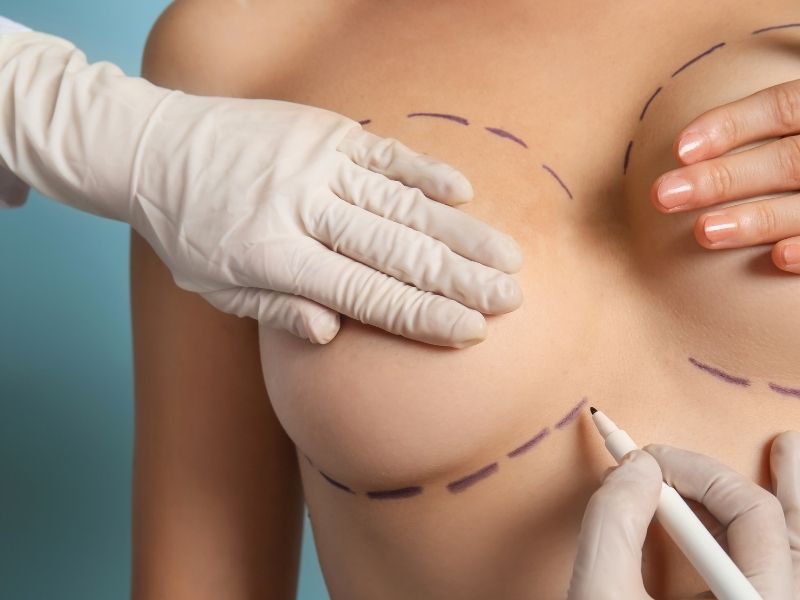

Preparing for gynecomastia surgery is an essential step to ensure a smooth procedure and optimal recovery. Gynecomastia surgery, also known as male breast reduction, is a common procedure aimed at reducing excess breast tissue in men. To ensure the best possible outcome, it’s important to follow specific preoperative guidelines provided by your surgeon. These may include lifestyle adjustments, such as avoiding certain medications, quitting smoking, and preparing your body for the recovery process. In this guide, we’ll explore the key steps you should take to prepare for gynecomastia surgery and help you understand what to expect before, during, and after the procedure.
Medical Tests Before Gynecomastia Surgery
Before undergoing gynecomastia surgery, it’s essential to undergo a series of medical tests to ensure that you are in good health and well-prepared for the procedure. These tests are designed to assess your overall health, identify any underlying conditions, and ensure that the surgery can be performed safely with minimal risk of complications. Typically, your surgeon will request a complete blood count (CBC) to check for any signs of infection, anemia, or other abnormalities in your blood. Additionally, a chest X-ray or electrocardiogram (ECG) may be performed to evaluate your heart and lung function, particularly if you have a history of heart or respiratory issues.
If your gynecomastia is believed to be related to hormonal imbalances, hormonal blood tests may be conducted to check levels of testosterone, estrogen, and other relevant hormones. This helps rule out any underlying endocrine issues that could have contributed to the development of gynecomastia. In some cases, liver and kidney function tests may also be recommended to ensure that your body can properly handle the anesthesia and recovery process. By undergoing these pre-surgical tests, your surgeon can develop a comprehensive understanding of your health and make any necessary adjustments to the surgical plan, ensuring the best possible outcome and a smooth recovery.
Nutrition and Lifestyle Recommendations Before Gynecomastia Surgery
Proper nutrition and a healthy lifestyle play a crucial role in preparing for gynecomastia surgery and ensuring a smooth recovery. In the weeks leading up to your surgery, it’s important to focus on a well-balanced diet rich in vitamins, minerals, and protein to support your immune system and promote healing. Lean proteins such as chicken, fish, eggs, and legumes are essential for tissue repair and recovery, while fruits and vegetables provide antioxidants that can reduce inflammation and improve your body’s resilience.
Hydration is equally important, so make sure to drink plenty of water to help your body function optimally before the procedure. In addition to focusing on nutrition, you should also avoid alcohol and limit your intake of sugary and processed foods, as these can negatively impact your healing and increase the risk of complications. If you are a smoker, it’s highly recommended to quit smoking at least a few weeks before surgery, as smoking can impair blood circulation, slow down healing, and increase the likelihood of post-surgical complications.
Finally, it’s essential to maintain a healthy weight and engage in light exercise to keep your body in good condition without straining yourself before the procedure. However, avoid any intense physical activities that could cause injury or stress to your chest area in the days leading up to surgery. Following these nutrition and lifestyle recommendations will help optimize your body for surgery and contribute to a quicker, smoother recovery.
Medications to Avoid Before Gynecomastia Surgery
In preparation for gynecomastia surgery, it’s important to be mindful of certain medications and supplements that can increase the risk of complications, particularly bleeding or interference with anesthesia. Your surgeon will typically provide a list of medications to avoid in the weeks leading up to the procedure. One of the most important groups to avoid is nonsteroidal anti-inflammatory drugs (NSAIDs), such as ibuprofen (Advil, Motrin) and aspirin. These medications thin the blood, increasing the risk of excessive bleeding during surgery and impeding the healing process.
Additionally, you should stop taking any blood-thinning medications, such as warfarin or clopidogrel, unless specifically advised otherwise by your doctor. Herbal supplements like ginkgo biloba, garlic, ginseng, and St. John’s Wort should also be avoided, as they can have blood-thinning effects or interfere with anesthesia. Vitamin E supplements may similarly increase bleeding risk and should be paused before surgery.
If you are taking any prescription medications, such as for heart conditions, diabetes, or high blood pressure, consult with your surgeon to determine which medications should be continued and which should be adjusted. Your healthcare team will provide personalized advice to ensure a safe surgical experience, so it’s crucial to follow their guidance carefully.
Preparation Guide for the Day of Gynecomastia Surgery
On the day of your gynecomastia surgery, it’s essential to be well-prepared to ensure a smooth and stress-free experience. First and foremost, follow the fasting instructions provided by your surgeon, which typically require you to avoid eating or drinking for at least 6-8 hours before surgery. This is crucial for your safety during anesthesia. You should also wear loose, comfortable clothing, preferably something that opens at the front, such as a button-up shirt, as it will be easier to wear after the procedure, avoiding unnecessary strain on the chest area.
Make sure to arrange for a friend or family member to drive you to and from the surgical facility, as you will not be able to operate a vehicle after receiving anesthesia. Avoid wearing any jewelry, makeup, or lotions, and remove contact lenses before heading to the clinic to avoid any complications during the procedure. Bring any required documentation, such as identification and insurance information, and ensure you’ve completed all pre-surgery forms or consent documents.
Finally, be mentally prepared and calm. Take deep breaths and remind yourself that you’re in the hands of professionals who specialize in breast aesthetics and will guide you through every step. Following this preparation guide will help you feel more at ease and ready for your gynecomastia surgery, setting the stage for a successful procedure and recovery.