- info@oco.bnk.mybluehost.me
- Istanbul / Turkiye
- Call Us : +905321575034

Get a Free Quote
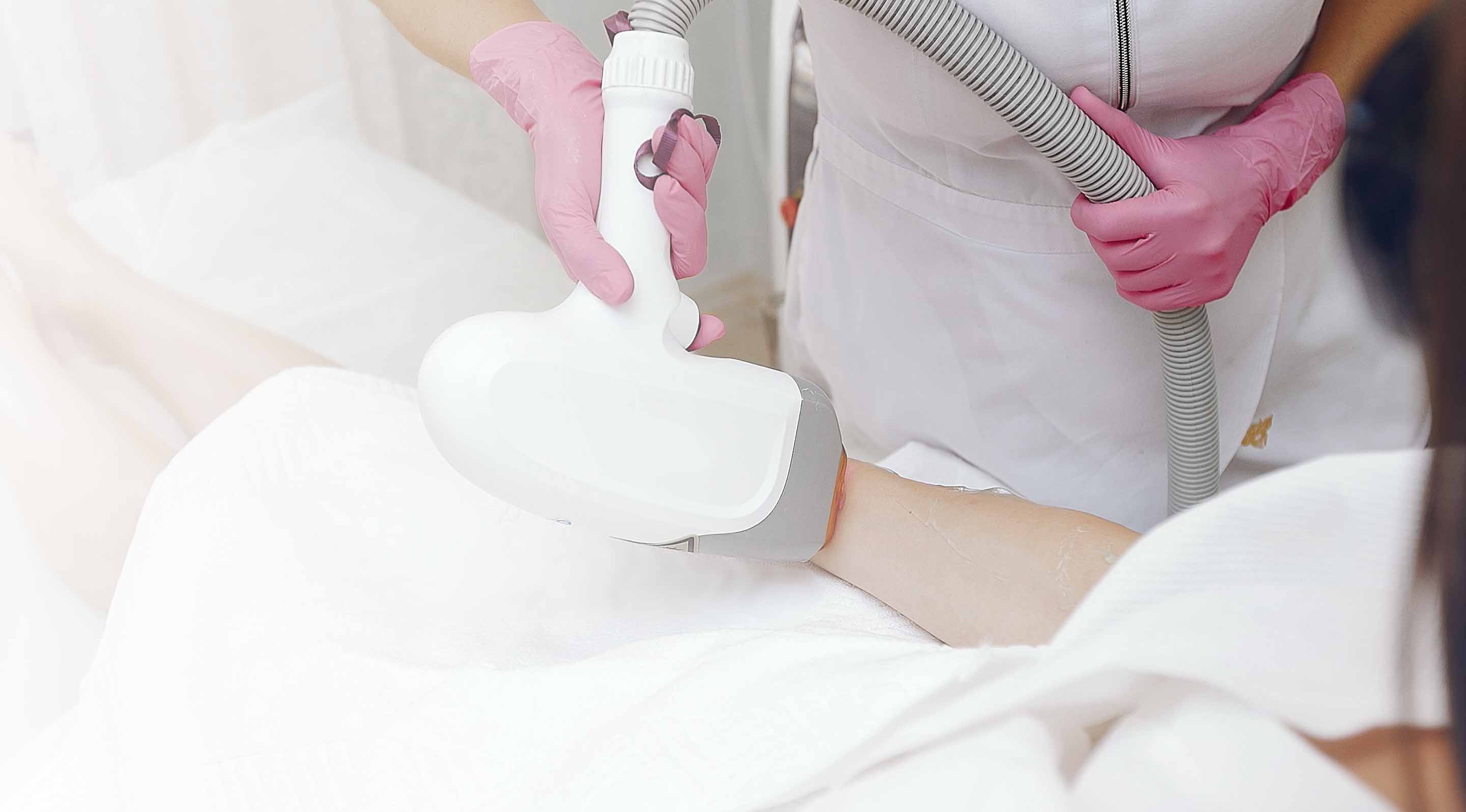
Fractional Laser

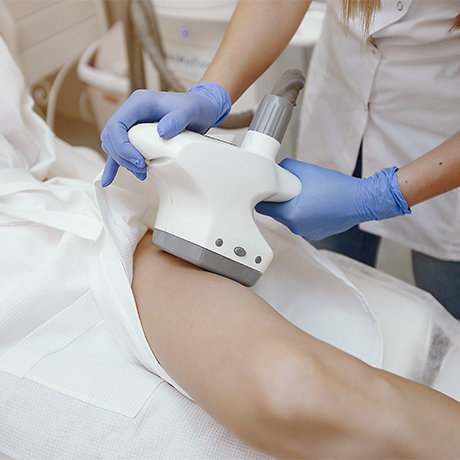
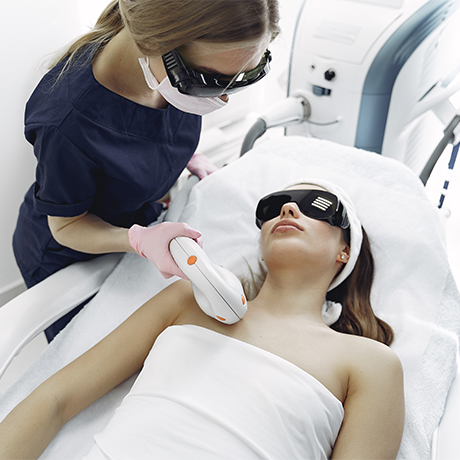
Fractional Laser
Fractional laser therapy is a type of laser skin resurfacing technique used to improve the appearance of various skin issues, including wrinkles, scars, pigmentation irregularities, and overall skin texture. Unlike traditional laser resurfacing, which removes the entire surface layer of skin, fractional laser therapy targets only a fraction of the skin at a time, leaving surrounding areas intact. This allows for faster healing and reduces the risk of complications.Although muscle tightening can be achieved through sports and exercise, these methods cannot address sagging caused by the loss of skin elasticity.
How Fractional Laser Works
Fractional laser devices emit beams of light that penetrate the skin, creating tiny, controlled columns of thermal damage known as microthermal zones (MTZs). These zones trigger the body's natural healing response, stimulating collagen production and promoting new skin cell growth. As the treated areas heal, they become smoother, firmer, and more evenly toned.
Types of Fractional Lasers
There are two main types of fractional lasers:
Non-ablative Fractional Lasers: These lasers target the deeper layers of the skin without removing the outer layer (epidermis). They are less invasive and typically require minimal downtime. Non-ablative fractional lasers are often used for improving skin texture, reducing fine lines and wrinkles, and treating acne scars and pigmentation issues.
Ablative Fractional Lasers: These lasers remove thin layers of skin in addition to targeting the deeper layers. They are more aggressive than non-ablative lasers and may require more downtime for healing. Ablative fractional lasers are effective for treating more severe skin concerns, such as deep wrinkles, acne scars, and sun damage.
Common Uses
Fractional laser therapy can address a variety of skin concerns, including:
Wrinkles and Fine Lines: By stimulating collagen production, fractional lasers can improve skin elasticity and reduce the appearance of wrinkles and fine lines.
Acne Scars: Fractional lasers can help smooth out acne scars by promoting new collagen growth and remodeling the skin's surface.
Pigmentation Issues: Fractional laser therapy can lighten or remove sunspots, age spots, and other pigmentation irregularities.
Uneven Skin Texture: The treatment can improve skin texture by reducing the size of pores and smoothing out rough areas.
Stretch Marks: Fractional lasers can fade the appearance of stretch marks by stimulating collagen production and improving skin elasticity.
Procedure
The fractional laser procedure is typically performed in a dermatologist's office or medical spa by a trained healthcare provider. Before the treatment, a topical numbing cream may be applied to the skin to minimize discomfort. During the procedure, the laser device is passed over the skin, delivering controlled pulses of laser energy to the targeted areas. The treatment usually takes 15-30 minutes, depending on the size of the area being treated.
Recovery and Results
After fractional laser therapy, patients may experience redness, swelling, and minor discomfort, similar to a sunburn. These side effects typically subside within a few days to a week. Most people can resume their normal activities within a few days of treatment, although sun exposure should be avoided during the healing process. Visible results are usually seen within a few weeks to months after treatment, with continued improvement over time as collagen production increases.
Suitability
Fractional laser therapy is suitable for individuals seeking to improve the appearance of their skin and address specific concerns such as wrinkles, scars, and pigmentation irregularities. A consultation with a qualified healthcare provider is essential to determine if fractional laser therapy is the right treatment for an individual's needs and to discuss any potential risks or concerns.